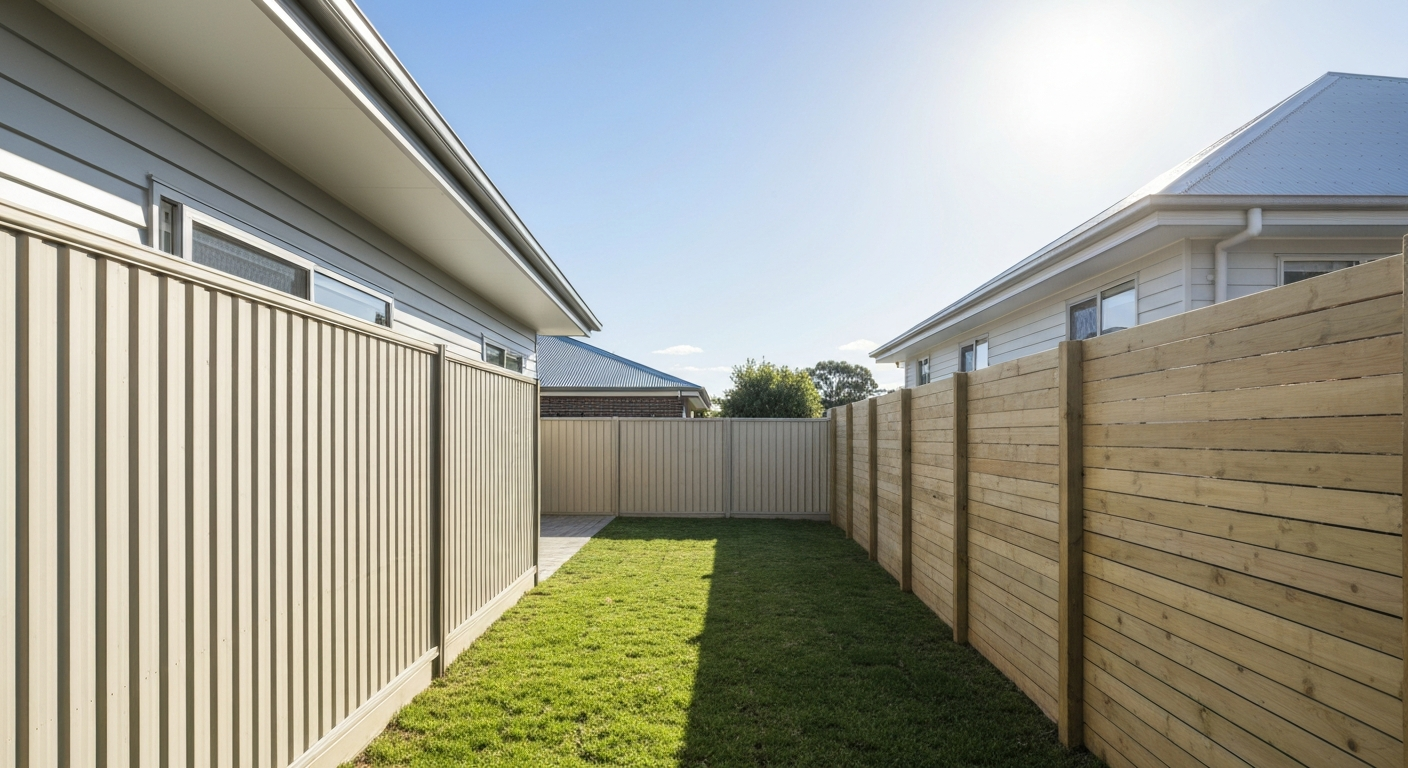
The Environmental Impact of Choosing Sustainable Products with Fence Experts
Introduction
In a world increasingly aware of environmental problems, the choice of products in building jobs has acquired extraordinary significance. This is particularly true in the realm of fencing, where consumers are often confronted with various options that can considerably impact both aesthetic appeals and the environment. In this article, we check out The Ecological Impact of Choosing Sustainable Materials with Fence Experts, diving deep into how choosing sustainable products can contribute to a healthier world while supplying useful advantages for property owners and businesses alike.
The Environmental Effect of Choosing Sustainable Products with Fence Experts
When it pertains to fencing, the products you select can either add to environmental degradation or promote sustainability. Sustainable materials are those that are environmentally friendly, eco-friendly, and have a very little carbon footprint. The choices made by house owners and specialists alike can significantly affect ecosystems, wildlife habitats, and even local communities.
Why Pick Sustainable Fencing Materials?
Opting for sustainable materials in your fencing task can yield a number of advantages:
- Reduced Carbon Footprint: Sustainable materials generally have a lower carbon footprint compared to standard options.
- Longevity: Many sustainable materials offer resilience that can outlast standard options.
- Aesthetics: Modern sustainable fencing options typically present aesthetically pleasing designs.
- Cost-effectiveness: While initial costs might be higher, sustainable fences typically conserve cash in the long run due to reduced upkeep needs.
Key Sustainable Fencing Options
Several environmentally friendly materials stick out when it comes to fencing:
Each of these alternatives has special characteristics that make them suitable for different applications.
Understanding Timber Paling as a Sustainable Option
What is Wood Paling?
Timber paling is an olden technique of building fences utilizing wood planks or panels. Nevertheless, not all wood is created equivalent; sustainably sourced lumber makes a considerable difference.
Benefits of Wood Paling
- Renewable Resource: When sourced from certified sustainable forests, timber acts as a renewable resource.
- Carbon Sequestration: Trees soak up CO2 during their growth; therefore, using wood contributes positively to reducing climatic carbon levels.
- Aesthetic Appeal: Timber paling offers a natural look that mixes beautifully with outside landscapes.
FAQs About Wood Paling
- While preliminary expenses may be greater than some artificial options, its longevity often validates the financial investment over time.
- Regular sealing and treatment against bugs will ensure its durability.
- Absolutely! Recovered wood includes character and further lowers ecological impact.
The Role of Fencing Contractors in Sustainable Choices
Fencing professionals play an essential role in carrying out sustainable practices in property and commercial jobs. By aligning themselves with environmentally friendly suppliers and educating customers on sustainable alternatives like timber paling or Colorbond steel, they assist lead the way toward greener building and construction practices.
How Specialists Can Promote Sustainability
- Educating clients about environmentally friendly alternatives
- Sourcing in your area produced materials
- Implementing waste-reduction strategies throughout installation
Colorbond Steel: An Environmentally Friendly Fencing Solution
What is Colorbond Steel?
Colorbond steel is a popular fencing product known for its strength and adaptability. Readily available in different colors and finishes, it's not just resilient however likewise developed with sustainability in mind.
Benefits of Colorbond Steel Fencing
- Low Maintenance: Unlike wood fences needing routine treatments, Colorbond steel needs very little upkeep.
- Recyclability: At the end of its life cycle, Colorbond can be fully recycled without losing quality.
- Weather Resistance: It endures harsh Australian weather conditions better than numerous other materials.
FAQs About Colorbond Fencing
- Yes! Its corrosion-resistant homes make it perfect for seaside environments.
- High-quality Colorbond products include service warranties against fading.
- Certainly! There are several color choices readily available to suit your taste and landscaping needs.
The Growing Pattern of Recycled Plastic Fencing
Understanding Recycled Plastic Fencing
As customers become more ecologically conscious, recycled plastic fencing has become an innovative service within the industry.
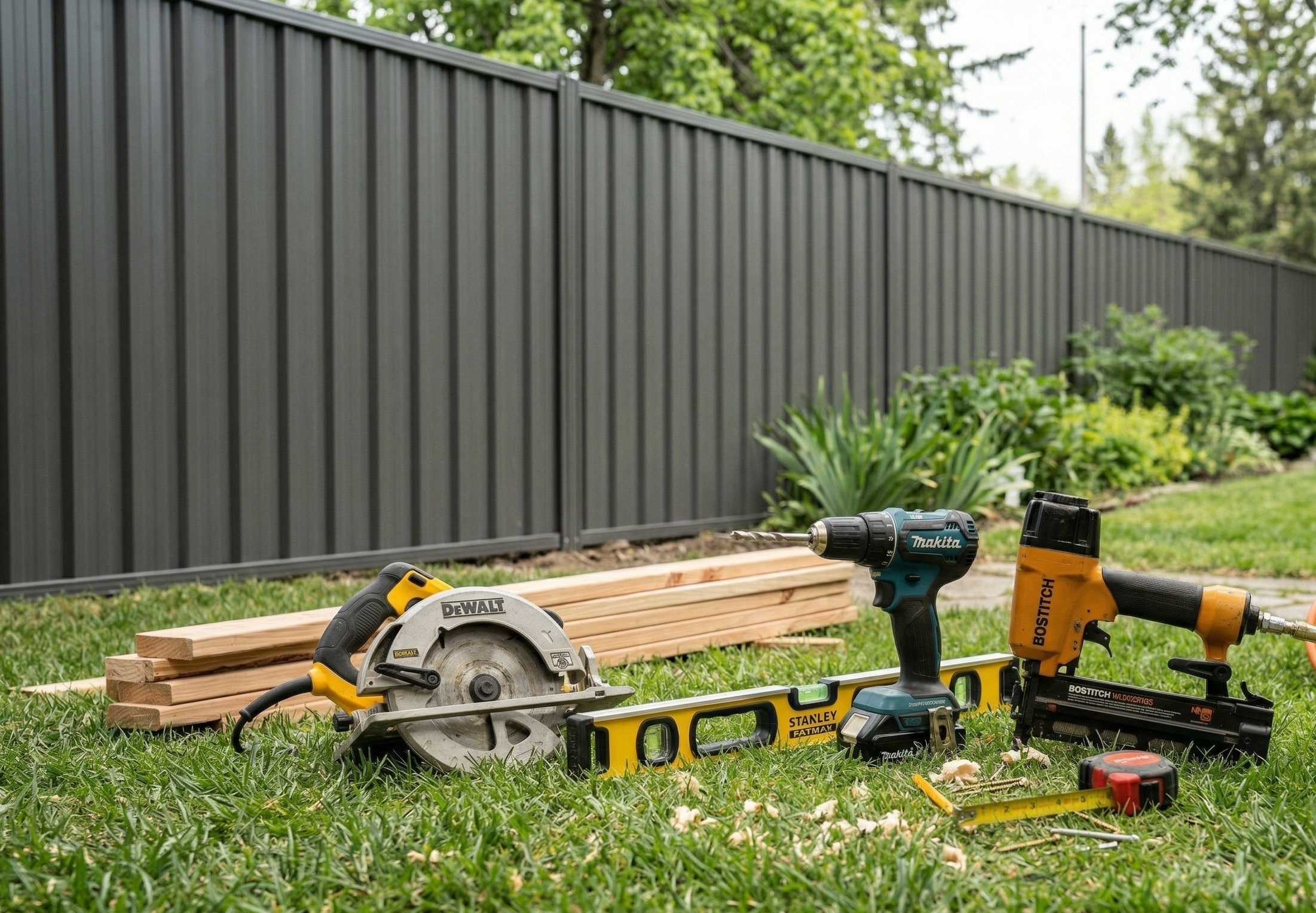
Key Benefits of Recycled Plastic Fencing
- Durability: Resistant to rot, insects, and UV rays.
- Minimal Environmental Impact: Made from post-consumer plastic waste minimizes landfill contributions.
- Maintenance-Free: Requires no painting or staining.
FAQs About Recycled Plastic Fencing
- It might be slightly more costly upfront but saves costs on upkeep long-lasting.
- Yes! It's non-toxic and safe for animals to communicate with.
- Generally not suggested; however, some specialized finishings might adhere well if needed.
Conclusion: Making Informed Choices
Choosing sustainable fencing materials is more than simply an aesthetic choice; it's an investment in our world's future. Whether through timber paling or modern developments like Colorbond steel or recycled plastics, working with experienced fencing contractors ensures that property owners can make educated decisions that line up with their worths while still achieving practical and stunning outcomes at their properties.
By comprehending the ecological effect related to numerous fencing alternatives-- and actively seeking out sustainable options-- we contribute positively not just to our immediate environment but also lead the way for future generations to delight in nature's charm without compromise.
FAQs:
- Options consist of timber paling sourced from sustainable forests, Colorbond steel known for its recyclability, and fences made from recycled plastics or bamboo.
- Ask about their sourcing practices and whether they partner with providers who supply qualified sustainable products.
- Look for accreditations such as FSC (Forest Stewardship Council) which show responsible forest management.
- Initial costs may vary based upon material choice; nevertheless, long-lasting savings on upkeep often balance out initial investments.
- Yes! With appropriate planning and tools, do it yourself enthusiasts can successfully set up lots of kinds of sustainable fencing.
- Timber requires regular sealing; Colorbond requires minimal care; recycled plastic requires no special treatment at all.
This extensive expedition targets at clarifying how making educated choices about fencing materials leads us towards sustainability while enhancing our living spaces visually too!