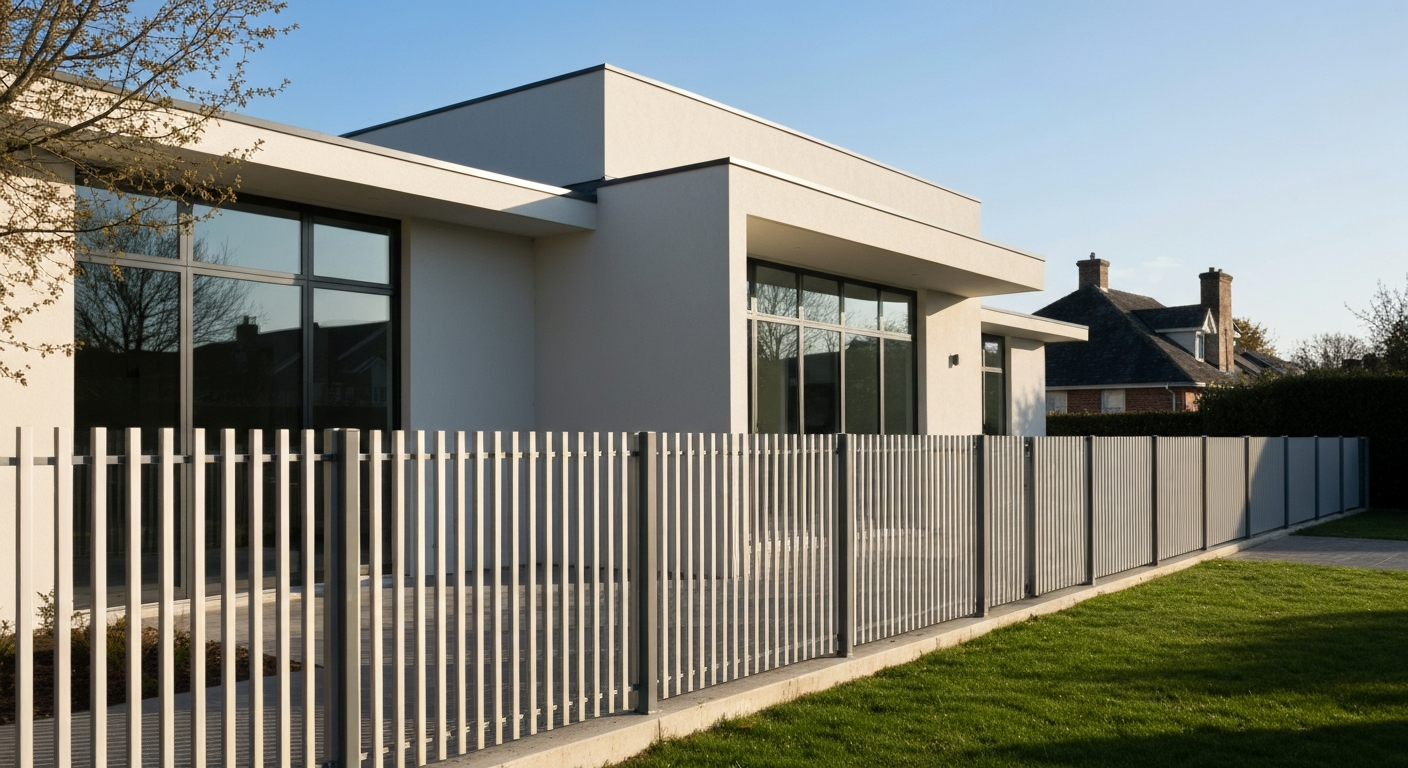
Classic Pickett Fence Installation
There is a particular type of contentment that comes with putting in a traditional picket fence. It is not simply the ended up look, though that part is instant. It is the constant rhythm of gauging, setting messages, breaking lines, and cutting boards till the entire run starts to really feel inescapable, like it was constantly supposed to be there.
A picket fence is additionally straightforward work. It reveals your choices. The spacing in between pickets, the straightness of the leading rail, the consistency of message elevation, also the method you take care of an incline or a corner. Do it thoughtfully and the fencing looks crisp and intentional. Hurry it, and it will certainly appear like a fencing that used to be straight before the backyard advised it what gravity does.
I have set up sufficient to know that the "timeless" part is not just the design, it is the technique. The actions issue, therefore do the choices that never ever make it into glossy brochures.
What "classic" really means in a real yard
When individuals imagine a classic picket fence, they usually indicate a typical account, typically 4 to 5 feet high, with evenly spaced pickets and a clean top line. The precise elevation and picket size can vary, but the appearance comes from regular geometry: the spacing is consistent, the pickets are lined up, and the articles really feel solid rather than ornamental.
Before you choose a plan, stroll the perimeter like you are reading a map. Seek what the lawn is already doing. A mild quality can be handled with great layout and constant spacing. A high incline, complicated drain, or a building line that wanders will certainly alter the method. Traditional designs work best when the ground cooperates a little, but you can still make them work when it doesn't.
One work sticks in my mind. The property owner wanted "that exact same white appearance you see on the old community streets." The fence line left a slope that went down possibly 18 inches over 40 feet. If we set up whatever with a single "degree" height between blog posts, the picket tops would certainly have marched up and down like actions. Rather, we chose a tipped approach that maintained each section visually well balanced. The fencing still looked timeless since the line stayed intentional, not random.
Choosing materials that make it through seasons
Picket fencings fail in the ways you would certainly anticipate if you take a look at them long enough. Rot begins at the incorrect place, paint peels off when dampness obtains caught, and hardware loosens up when timber moves greater than it was allowed to.
Wood is the conventional route. Cedar is preferred since it is naturally resistant to decay and handles exterior weather well. Pressure dealt with timber prevails also, specifically when spending plan matters, yet it still requires appropriate securing and good paint or tarnish preparation to obtain a lengthy life. The "timeless" appearance is usually attained with primed and repainted wood, often white, sometimes off-white, occasionally a soft tone that makes the yard feel calmer.
Metal picket fences can look classic, however the installation details transform a whole lot. Timber is what you will usually see in conventional rows, and it lets you tweak spacing with much less drama. Still, regardless of product, you should prepare for movement. Wood will certainly swell and reduce a little. Blog posts will settle. The most effective fencings are built with the assumption that small motion is regular and with alignment methods that can take in it.
A practical note that conserves time later on: purchase sufficient materials for one constant run. If you begin and after that understand you are short a box of pickets or one of the rail lengths is slightly various, matching comes to be a challenge. Even if the lumber originates from the exact same provider, small variations in thickness can appear in the final spacing.
Layout: the component that determines the whole outcome
A picket fence is geometry dressed up as craftsmanship. The design phase is where you earn that crisp appearance. If you obtain the line wrong, whatever after that becomes corrective, and corrective work generally ends up expensive.
Start by verifying your fencing line. If you have a study, use it. If you do not, at the very least verify home line pens and collaborate with next-door neighbors if entrances and troubles get tight. Several fencing disputes start with excellent intents and negative assumptions.
Then pick spacing and post areas. Timeless fences typically have pickets spaced with tiny spaces, typically an also width from one picket to the next. The void does not require to be tiny, however it should correspond. Even spacing looks clean. Inconsistent spacing resembles the fence is tired.
When you note blog post areas, stay disciplined concerning your dimension method. Action from a repaired referral factor. Use a string line so your posts concur with the same straight overview. If you have curves, do not improvise every article area by eye. Utilize a string that follows the intended arc and established posts where the line tells you to establish them.
A portable design technique (the list I really use)
- Confirm the line and any kind of corner or gateway positions before digging
- Plan message spacing based on your fencing elevation, picket length, and rail layout
- Mark article openings with a string line for straight runs
- Dry fit rails and pickets on a flat surface to confirm spacing prior to setup
That four-step routine sounds basic, however it avoids the sort of "we can fix it later" decisions that haunt you when the fencing is painted.
Digging and setting articles: where strength comes to be visible
Posts are the foundation of a picket fence, and the timeless look depends upon them standing straight. There is a lure to deal with message holes like shovel work and call it done. The distinction in between a fencing that holds up for decades and one that starts leaning in a couple of years is often in the ground prep.
Post opening deepness is influenced by climate, dirt type, and local regulations. I do not intend to guess at your area, but the decision usually boils down to frost depth in colder regions, plus a base of stable product. If you live where winter seasons are rough, do not damage the depth. If you live where soils are sandy and drain swiftly, you may get away with less, however still go for solid stability and prevent a superficial opening that develops into a wobble after a damp season.
Also think of exactly how water behaves around your fence line. A picket fencing can look penalty while posts rot from the within out if water swimming pools near the base. Good installment takes care of water drainage, makes use of proper blog post therapy, and avoids leaving wood in direct call with dirt whenever possible.
For establishing the blog posts, I such as an operations that minimizes error. Mark the opening places. Dig. Place the blog post. Examine plumb in 2 directions. After that backfill in controlled lifts, condensing as you go. Backfilling "scooped in and neglect it" is how you get a minor lean that comes to be a recognizable tilt after the rails and pickets are added.
If you are mounting on a slope, you need to select an approach. One choice is to tip the fence, keeping each segment's rails degree about its own area. An additional is to comply with the grade and create a constant line that alters height slowly. Traditional layouts commonly look best with a stepped approach, particularly when the slope is more than gentle, because it maintains the fence's top line looking deliberate rather than sloped.
Rails and pickets: how to keep whatever aligned
The standard picket fence appearance originates from crisp alignment. Rails are where that positioning obtains implemented. You desire straight rails and consistent fastening so the pickets rest at the exact same angle and deepness from one message bay to the next.
Before you begin attaching pickets, confirm rail placement. Several picket fences make use of two rails, one near the top of the pickets and one reduced down, though layouts differ. If you choose two rails, you are building a steady skeleton that assists withstand warping and maintains spacing consistent.
A useful technique is to use a short-lived spacer or scale while setting up pickets. This is the most effective means to maintain voids uniform without continuously gauging. Once the very first few pickets are established, the gauge makes the rest really feel practically mechanical.
But below is where trade-offs turn up. If you deal with picket spacing too purely and neglect wood activity, the fencing can obtain "limited" or "loosened" as boards expand and agreement. You can stay clear of that by leaving little resistances and fastening in such a way that does not bind the boards so snugly that they can not breathe.
When attachment pickets, do not overdrive screws or nails. Dividing the picket is a quick course to future gaps and loosened boards. If you predrill near ends, especially on softer wood, you reduce splitting and enhance longevity.
Classic alignment top priorities (so the fencing reads "designed," not unintended)
- True message placement so rails rest continually between bays
- Consistent rail placement to keep a tidy leading line
- Even picket spacing for that clean, standard rhythm
- Controlled fastening to prevent splits and future looseness
Dealing with corners and entrances without breaking the style
Corners and gates are where picket fencings expose whether the installer intended very carefully. A gateway has equipment loads, and edges transform the geometry of exactly how rails meet and exactly how pickets end.
At corners, you can either end pickets easily or cover the edge with continuous runs that change pickets around the bend. Both can look classic, but termination commonly looks sharper and less complex. Covering can look stylish as well, yet it demands even more mindful cutting and spacing so the fencing does not show up to "drift."
For gateways, make a decision very early just how you desire the pickets to align with the fencing pickets. The easiest blunder is developing an entrance that swings appropriately however visually does not match the rest of the run. Changing after the truth typically suggests rework on hinges, latch placement, or picket spacing.
I have seen an entrance that shut great however looked off because the picket voids on the gate were slightly broader than the fence. It was subtle till you stood there with a coffee and observed just how the eye maintained catching it. This is why I advise making a template for picket spacing on the gate and using it during assembly.
The look depends on finishing, not just building
If you desire the traditional, crisp look, ending up is not optional. Raw wood will weather, but it additionally soaks up moisture in a different way across boards, which can result in unequal shade. Paint or stain secures the wood and keeps it consistent.
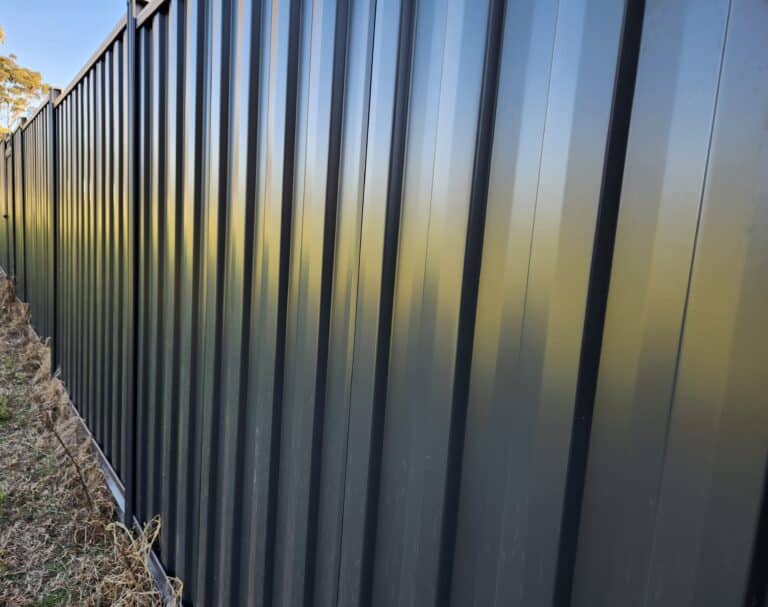
For repainted fencings, the prep matters as long as the coat. If the wood is not properly cleansed and sanded, paint can fail early, particularly at cut ends. Cut ends are like revealed paths for water. Seal them thoroughly.
A typical scenario is homeowners who set up during a damp season and then repaint swiftly because they desire the "new fencing" look. If the timber is also damp, paint can catch wetness, resulting in peeling off. If you can not wait on completely dry weather condition, think about supporting the wood and delaying final paint till conditions enable. It is not glamorous suggestions, yet it avoids the kind of repainting that nobody routines happily.
If you are making use of stress treated lumber, bear in mind that it can take some time to completely dry and approve coverings appropriately. The finishing supplier's advice must be your recommendation, but in method, I find the fence needs time to work out after setup before you get the most effective finish adhesion.
Also think of the equipment. Hinges, lock hardware, and bolts need to be exterior ranked. Or else, rust discolorations can bleed into the surface. You can get a timeless white fencing with rustic blemishes, and it is not the appearance the majority of people want.
Maintenance that keeps it timeless for years
Even the most effective fencing needs occasional care. Upkeep does not need to be constant, however it ought to be planned. A surround sunlight and wind takes abuse. A fence in heavy rain zone takes various misuse. Upkeep is your possibility to capture little issues prior to they become replacements.
I advise walking the fencing seasonally, especially after tornados. Try to find pickets that have actually loosened up, repaint that has fractured near joints, and any blog posts that show motion. Catching a loosened picket early fasts. Waiting until several pickets fall short usually suggests rail changes, more rework, and a more noticeable void line.
Repainting is the classic lasting prepare for many white fencings. If you pick tarnish instead, you will likely restain on a cycle that depends upon exposure. In any case, the secret is to prep appropriately and prevent paint over peeling off areas without scratching and sanding them back.
A tiny anecdote: on one work, the customer insisted they would certainly manage touch-ups "later." Later on came to be two periods, and already we were dealing with extensive peeling off along the railway. The fencing still endured structurally, but the finish job ended up being bigger than it required to be. When you maintain maintenance small and routine, you shield both the appearance and the budget.
When hiring a fence company makes sense
Some homeowners intend to build and install themselves, and that is an enjoyable course. Various other home owners desire the task done appropriately the very first time, particularly if the line is long, the ground is difficult, or permits and property restrictions are involved.
Hiring a fence company can be clever when you are taking care of long runs, multiple gates, complex grades, or when you desire a consistent coating requirement. The most effective business do not simply appear with products and excitement. They bring measurement technique, installation experience, and a procedure for handling layout changes.
What I try to find in a fence company is how they discuss configuration. Do they ask about line area and just how corners and gateways will be dealt with? Do they talk about article setting and how they will handle water and stability? Do they speak about coating routine, or do they treat painting like an aesthetic afterthought?
If you intend to evaluate bids, ask questions regarding just how they will shield the fence line throughout setup, what materials and fasteners they use, and exactly how they plan to take care of slopes. A strong installer will expect edge instances. They will certainly not treat them like surprises.
If you are obtaining quotes, keep an eye on range. Some "fence company" estimates include articles and rails yet not the complete supporting system you require for edges or gates. Others include paint yet only in a limited way, like guides just. Clarify these points before anyone starts digging.
Questions that reveal whether the fence company is serious
- How do you manage post depth and security for my soil and climate?
- What is your plan for inclines, so the leading line remains classic?
- How do you safeguard cut ends and bolts to prevent early failing?
- Do you include completing prep work and paint or stain, and what exactly is included?
Common mistakes that turn "classic" right into "discouraging"
Most issues come from predictable places. It is seldom since somebody had negative objectives. It is usually since an action really felt tedious or slow.
One common mistake is spacing pickets by eyeballing. That can work for a brief run, however on a long fence the inconsistency becomes noticeable. Another is attaching pickets prior to rails are fully straightened. If the rails are off by a small amount, pickets may end up angled or irregular, and the fencing will look wavy even if every picket is individually "fine."
Another issue is presuming the ground will certainly stay put. Dirt changes after rain, and articles work out when backfill is not compressed well. If you rush that component, you commonly see a lean after a period or more. Leaning is not simply visual, it stresses rails and makes the fence harder to maintain.
Finally, I see coating errors frequently. Individuals paint ahead of time, make use of the wrong finishing for the timber problem, or miss preparation on cut ends. After that the fencing looks gorgeous for a short home window and begins to fall short in the places water gets to first.
A useful method to plan your project day
If you want the entire procedure to feel manageable, break it into a rhythm. Layout and prep work first. Then messages. After that rails. After that pickets. After that last ending up. That sequencing helps since each phase sets up the following, and you avoid dragging tools throughout an incomplete fencing line over and over.
For a do it yourself mount, having assistants matters at the rail and picket stages. Holding a rail in placement while you secure pickets is simpler with 2 sets of hands. For blog post setup, having someone assistance check plumb saves you time and lowers rework.
Also prepare for dimension breaks. It is tempting to maintain moving, yet you ought to quit periodically to examine alignment. A string line is quick. A level across rails fasts. 10 mins of checking can avoid hours of rehabilitative work later.
If you are hiring a fence company, the same concept applies. Even after that, it aids to stay existing and focus throughout the layout and message setup. You do not need to hover, but you need to be able to address concerns and validate that the line and plan match what you approved.
The payback: going back and identifying the craft
When a traditional picket fence is installed well, it alters just how the lawn feels. It frames beds and walkways, it makes the property boundaries feel deliberate, and it gives the entire room a tidy structure also when the yard is not perfect.
The best part, though, is the minute you step back and recognize the fence looks calmness. Not extremely rigid, not lopsided, not "close enough." Calm means the geometry works, the spacing corresponds, and the leading line reads tidy from the street or the patio.
That is the genuine factor people maintain asking for picket fences. They are not simply attractive. They are an outside design language. They state you cared about the details, you valued the line, and you dealt with the installation like actual craft.
If you are intending the following steps, start with format discipline and article stability. Build the skeletal system appropriately, then allow the pickets do what they were created to do.