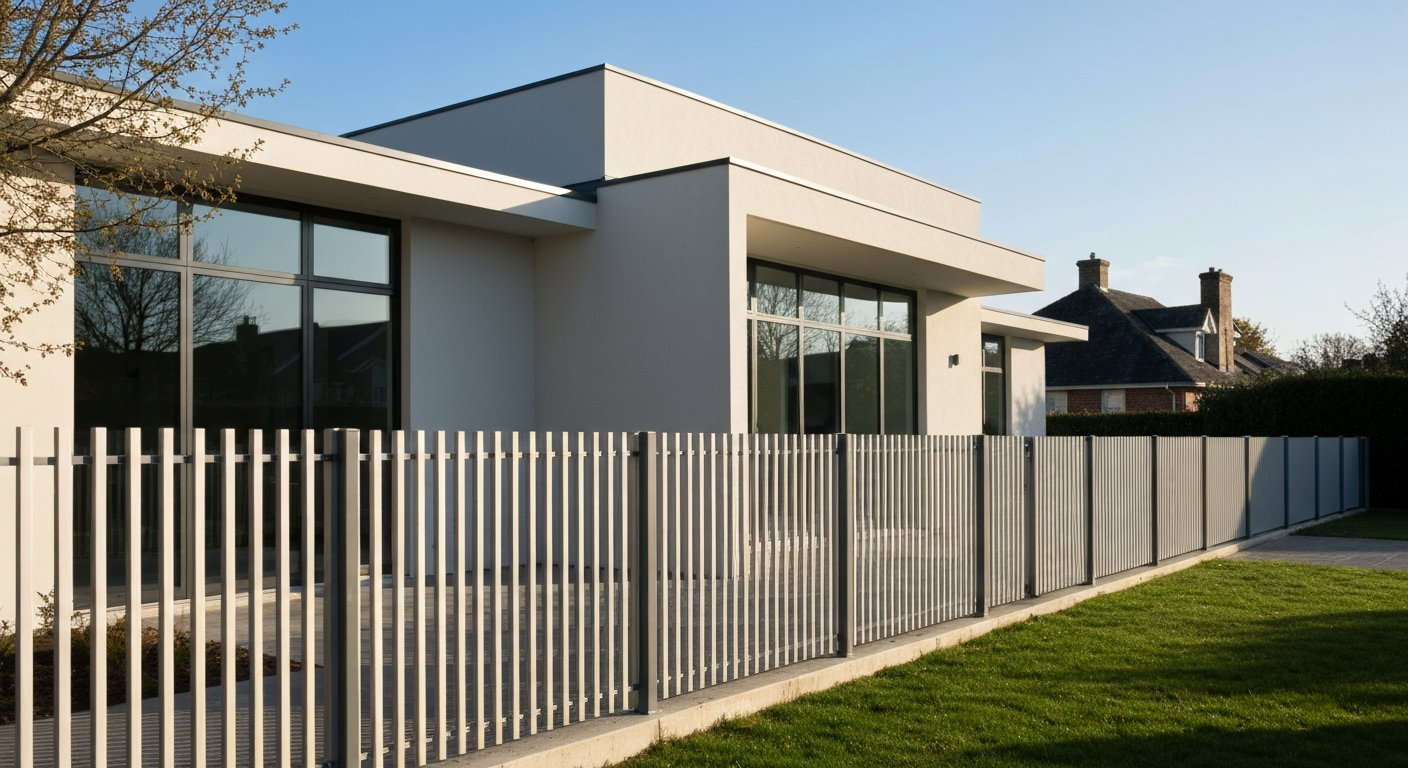
Area Fencing Consistency Tips
The very first time I aided a neighbor work out a fencing disagreement, we did it the way most good neighbor tales end: with sunlight on the lawn, two mismatched measuring tape, and an item of perseverance that lasted longer than the argument. By the time the coffee cooled down, we weren't just speaking about boards and posts. We were talking about depend on, limits, and the quiet art of making a hard edge seem like it belongs in the neighborhood.
A fencing is supposed to mark a line. In reality, it likewise notes a connection. Put up the incorrect layout in the wrong place, and you obtain grievances that resemble through every period. Toenail the information down, entail the appropriate people early, and you wind up with privacy that feels gained, not resented.
Below are the lessons I've picked up from the field, from gauging to mediation, from "we'll keep it basic" to the moment it ends up the residential or commercial property line is not where any individual believed it was. If you're working with a fence company, doing it on your own, or just attempting to maintain peace while it obtains built, these ideas are built for that minute when the task fulfills people.
Start with the limit, not the boards
Most fencing aggravation begins with a presumption. Someone stands at a corner, evaluates at a line of trees, and determines that must be the border. Or they bear in mind where the old fence "used to be," and deal with memory like GPS. That's how you obtain a fence that looks clean from your side and feels like a trespass from the next-door neighbor's.
Before a single plank goes up, find the actual line. In several locations, that implies checking videotaped plats and obtaining a study if there's any uncertainty. If you can not bring yourself to spend study cash right away, at least verify what exists on paper and whether markers are still noticeable. Also a fundamental limit check can prevent the costly kind of "fix later on" that develops into rework and uncomfortable apologies.
I have actually seen instances where individuals installed messages based upon an estimate, and after that the study disclosed the fencing had drifted by even a couple of feet. Those two feet can set off license troubles, legal claims, or the more sensible disaster: a neighbor who refuses to accept anything up until it's fixed. The fence itself was fine. The placement was not.
Measure like you're intending to show someone
Here's a fact that appears dramatic, but it's sensible: if you can not describe your dimensions clearly, somebody else will really feel compelled to test them.
When I'm working with property owners, I urge them to believe like a translator. Measure from taken care of points, document what you gauged, and photograph the procedure. If you encounter anything strange, such as a fence line that doesn't match the home line on document, don't "fix" it by eye. Time out. Re-check. After that discuss.
A community often tends to treat unpredictability as a danger. So when you appear with a strategy, a composed record, and the willingness to re-measure, people typically soften. It's not that they quit caring. It's that they see you're not guessing.
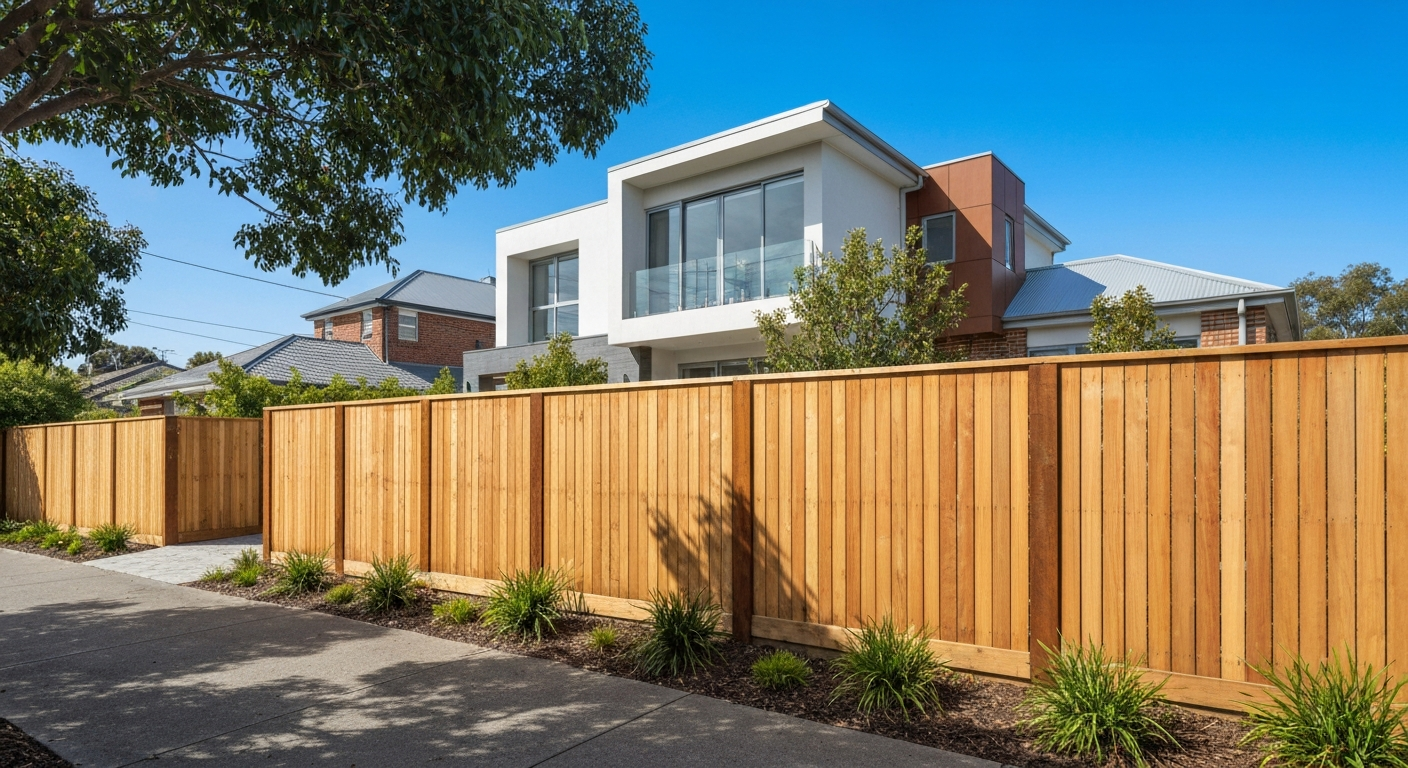
One small routine that helps more than individuals expect: mark distances in a manner that endures wind and shifting perspectives. Chalk lines remove, yet a surveyor's stake or visible tape recommendation from a constant factor has a tendency to make everybody's discussion regarding the same facts.
Align your fence design with what the next-door neighbor is actually buying
"Privacy fencing" is a label. Your next-door neighbor experiences a fence as noise, sightlines, and maintenance initiative. If your objective is consistency, you ought to look for those experiences, not simply for a design that looks good from your cooking area window.
Sometimes individuals desire a strong fence because they're tired of traffic noise. Sometimes it's due to the fact that youngsters play outdoors and they desire fewer complete strangers seeing right into the lawn. Those goals are affordable. The harmony step is to match product and spacing to the real problem.
A totally solid format can enhance audio reduction, however it also develops an aesthetic wall surface that some next-door neighbors take hostile, specifically if their lawn is already open. A semi-private style can really feel friendlier, however it may not quit enough sightline for the person that's installing it to start with. The trade-off is actual, and it must be talked about early, not found after the fact.
If you're hiring a fence company, ask inquiries concerning how various choices execute in your situation. Not in a common method, however, for your exact fencing line size, height restraints, and neighborhood wind direct exposure. A company that can clarify compromises without getting defensive is normally a much better partner than one that pushes one option since it's their default.
Talk to your next-door neighbor like you're co-authoring a project
Some individuals treat next-door neighbor interaction as a box to check, normally a short discussion that finishes with, "We're doing it anyhow." That strategy might get the work done, but it hardly ever produces harmony.
A better strategy is to share your strategy, pay attention to their worries, and afterwards change what's affordable. You do not need to hand over control, but you do need to demonstrate that the next-door neighbor's experience matters.
I once enjoyed a basic modification turn problem right into collaboration. A property owner wished to mount a privacy fence along a common limit. The neighbor whined regarding loss of light and the wall feeling as well close. The original style had no variant, exact same height completely. After an on-site conversation, they consented to a little change: the areas facing the next-door neighbor's patio area utilized a slightly more open pattern, while the other stretches remained completely private. No one got every little thing they desired, however both backyards improved. That's consistency in action.
If the neighbor is difficult to get to, leave the door open anyhow. Notes, a posted schedule, and a contact number can matter greater than you believe. Individuals do not mind modification as much as they mind surprise.
Confirm authorizations before you commit to schedules
A fencing might call for permits, troubles, or conformity with neighborhood height rules. There can likewise be HOA factors to consider. The details differ commonly by area, so I will not pretend there's a solitary universal answer.
What I can claim is this: licenses are documents, yet they act like fact. If your fence company starts job without the appropriate approvals, you can end up with delays or stop-work orders. And if delays occur, individuals start observing every little thing once more, consisting of property line uncertainties and design choices.
The peace-friendly technique is to get the needs pin down early and straighten your timeline with them. If you know inspections will happen, coordinate with your next-door neighbor so they recognize when activity is regular and when it's not.
This is where expertise programs. An excellent fence company has a tendency to treat licenses and scheduling like component of workmanship, not a nuisance.
Choose entrance positioning with genuine practices in mind
Gates are usually neglected until the day they're set up, and then everyone recognizes they form daily activity. Gates affect where people walk, how vehicles access the backyard, and whether a person's driveway usage ends up being awkward.
From a consistency perspective, gate placement can additionally influence how the fencing "feels." If an entrance lines up with the next-door neighbor's primary sight path, they will discover it. If it blocks a benefit they depend on, they will dislike it, also if the fence line is correct.
If you're sharing a fence line with a neighbor, gate place should be talked about with both houses entailed. Also if it's your gate, your next-door neighbor lives alongside where it swings open and shut. And swings matter, especially throughout windy months when a gate can knock and attract attention.
Avoid typical "looks fine" errors that trigger long arguments
Most fencing issues that become neighbor dramatization are not about visual appeals. They're about positioning, drainage, and just how the work interrupts daily life.
One of the most usual troubles I see is the fence being developed straight "by eye" without considering just how the ground in fact inclines. If one side of the lawn declines and the fencing remains degree, you obtain spaces or high points that expose components of the lawn that were supposed to be hidden. That turns into a debate concerning what "privacy" means.
Another constant issue is drain. If the neighbor's backyard gets water runoff from your home side, they may see it quickly after rains. Also if the fence is not doing anything "incorrect," the change in surface areas and grades can redirect water. This can be particularly sensitive in older communities with well established water drainage patterns.
Also look for tree origins, hidden particles, and old fence residues that move blog post positioning. If you hit something unanticipated throughout setup and change post places without describing, you might inadvertently create a border misconception. A quick pause to describe the adjustment can save hours of later conflict.
Two conversations that conserve a great deal of frustration
You don't require to talk all day. You do need the ideal discussions, at the best times.
The first conversation occurs before anything is purchased. It has to do with positioning and plan. The 2nd occurs before setup starts. It has to do with gain access to, timing, and exactly how particles and equipment will certainly be handled.
If those conversations take place, the majority of people feel valued, even when they do not totally agree.
Pre-work next-door neighbor talk: maintain it simple and concrete
- Share where you believe the fencing line is, including any kind of pens or survey details you have
- Confirm height and style choices that match regional regulations
- Ask just how the fencing will certainly influence their backyard use, specifically patios and courses
- Agree on a basic work schedule that decreases disturbance
- Talk concerning clean-up and disposal so no one obtains stuck with surprise mess
That's it. You're not pitching a sales meeting. You're minimizing uncertainty.
Ask your fence company how they shield residential or commercial property lines
If you're working with a fence company, your goal is to understand exactly how they take care of obligation. Where do they take measurements from? Do they ask for a study? Exactly how do they note message places? How do they address troubles if the line is unclear?
A specialist group should have the ability to clarify their procedure without getting unclear. Seek clear answers and ask follow-ups. As an example, if they claim they "typically" build based on existing fences, ask what occurs if the existing fencing is out the line. If they don't want to engage on that particular subject, you may want to reconsider.
I've worked with property owners who hired a crew that treated limit inquiries as a legal problem instead of a task detail. It's not. Boundary unpredictability is a building information with human repercussions. A fence company that documents choices, photos laying, and interacts changes has a tendency to shield everyone, consisting of you.
Maintenance planning is part of harmony
Harmony isn't only concerning the initial period. It has to do with what happens after the novelty discolors and the work needs attention.
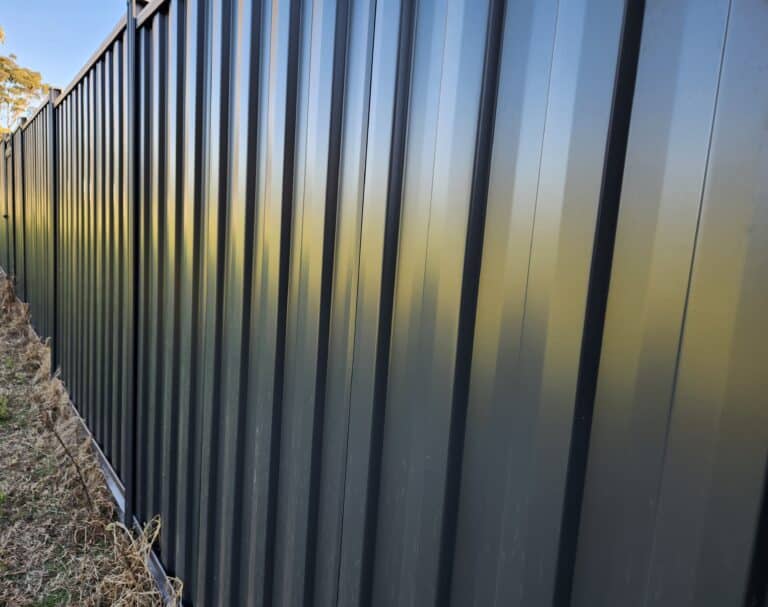
Material choice influences upkeep. Wood fences typically need more attention for durability, while plastic or compound can reduce specific upkeep tasks, though it's not maintenance-free in every circumstance. Steel fencing can look excellent, yet it engages with dirt differently and can impact neighboring plant life or call for adjustments over time.
When you plan upkeep, you likewise prepare expectations with your neighbor. If the fencing requires discoloration or repair services, who does what, and exactly how will you maintain access practical? If one side is more challenging to reach due to landscape design, the next-door neighbor may become understandably frustrated if you turn up without alerting with equipment on their side.
A harmony-friendly approach is to define gain access to in composing if required, or at the very least discuss it. Ask the fence company how they deal with ending up details on both sides. Some techniques leave one side extra easily accessible to maintain. You can minimize future rubbing by straightening workmanship and access now.
Weather is the genuine job manager
Fence installment is impacted by wind, rain, and soil conditions. In heavy rainfall, message openings end up being unstable. In dry spell, the dirt can behave differently during excavating and collection. In high wind, setting braces and keeping positioning can be harder. When crews are straightforward concerning these variables, it lowers the feeling that something "should have been very easy."
Adventurous homeowners like to push ahead anyway, and I get it. Yet if you want area consistency, avoid the kind of rushed mount that results in a fencing that leans or gaps early, after that calls for urgent improvements later.
Urgent improvements are when neighbors feel most annoyed. Nobody suches as a second wave of devices and sound. Better to set up around problems so the fencing looks right and performs longer.

The "shared fencing" possession conversation nobody desires, yet everyone needs
Even if you seem like you're installing your own fencing, shared boundaries can come with shared rate of interest. That might indicate common duty for repairs, or it may mean one event possesses the fencing however the neighbor take advantage of the privacy or sound reduction.
The legal and practical plans depend upon your place and local regulations, yet the harmony principle is global: do not leave ownership unclear. If the fence company is vague about who is accountable for costs and repair work, make clear prior to the first bolt is set.
I have actually seen pleasant partnerships endure since neighbors had an arrangement concerning how repair services would be managed. I've likewise seen considerate people turn sharp when the fencing required substitute and the question was, "Wait, who spends for this?"
You do not need dramatization to inspire clearness. You need it because materials wear and storms happen.
A fast structure for choices when neighbors disagree
Sometimes you'll get pushback. Not all pushback is stubbornness. It can be a genuine concern concerning loss of light, safety, drainage, or aesthetic appeals. The key is to divide the emotional response from the sensible concern.
When a neighbor differs, ask inquiries that steer toward end results. For example:
- "Are you most worried about noise, sightlines, or water drainage?"
- "Is there a section of the backyard you require to keep open for a details use?"
- "Would certainly you favor a different pattern that still satisfies personal privacy goals?"
That's not appeasement. It's problem solving.
The consistency approach is to locate a concession that reduces the most delicate influences. If the neighbor hates the wall sensation, you might readjust the aesthetic visibility on the patio-facing section. If they're fretted about water, you might add correct drain measures or readjust grading at the blog posts. If they care about accessibility for upkeep, you may prepare for gateway positioning or finishing order.
When you must state no, do it cleanly
There are minutes when concession isn't possible. Possibly elevation limitations avoid your favored layout. Perhaps the line is in a place where relocate would certainly break the residential property border. Perhaps security determines a format you can not change.
In those instances, be considerate and straight. Use truths. Program the policies that apply. Deal a clear option that still values the neighbor's requirements as high as you can.
I have actually found that people react much better to a company "this is not possible" when they can see the factor and the following best alternative. They're less likely to intensify if they feel you're not trying to subdue them.
Two side situations that trip up also cautious neighbors
Edge instances are where harmony gets evaluated, because the "typical" assumptions fail.
One side case is when the whole lot boundary is not a tidy rectangle. Corners, contours, and uneven building lines can misshape fencing appearance. A fencing that adheres to the border exactly could look "jagged" compared to an old fence line that ran in different ways. Neighbors could challenge it based upon aesthetic assumptions. The repair is interaction with measurements and photos of staking.
Another edge situation is shared landscaping. If a neighbor has developed plantings right versus the boundary, a fence installation could need removal or pruning. Also if the fence company prepares to change or protect landscape design, the neighbor might seem like their yard is being invaded. Consistency boosts when you go over landscape design effect early and settle on what occurs to plants, mulch, and any type of topsoil interrupted throughout installation.
What a "successful" fence task looks like
A successful fencing project is not one where nobody ever before grumbles. That's not reasonable. It's one where arguments wind up productive, and the finished fence does what it was meant to do.
A well-managed installation commonly has these signals: The border is clear and agreed upon, The design fits local guidelines, The fence company keeps the workspace organized, And both households comprehend gain access to and maintenance.
You can feel that success in the tone of the neighborhood after the set up. There's still discussion, however it has to do with the fencing being solid, the personal privacy being far better than expected, and the lawn sensation extra settled. People stop watching for problems, since problems aren't being created.
How to keep harmony after the build
Once the fencing is up, the job does not end emotionally. It ends physically, and afterwards the next-door neighbor's experience starts.
If you notice something minor today, manage it quickly. A loosened panel, a misaligned gate, a completing detail, a post cap concern. Letting little problems drag out invites bitterness. Dealing with promptly shows respect, not perfectionism.
Also be conscious when storms hit. If a dropped branch gets an area or the ground changes, address fixings without delay. Neighbors see who reacts. They additionally discover whether you connect. A quick heads-up, also just a message, can prevent a next-door neighbor from seeing a problem and assuming neglect.
And if the fencing is something you can delight in silently, do it. The best compliment to neighborhood harmony is not constant maintenance announcements. It's allowing the fencing enter into the landscape, and letting connections breathe.
Final thought to carry right into every fencing conversation
The hardest component of developing a fencing is not the building and construction. It's the unpredictability. The boundary unpredictability, the layout uncertainty, the "what does this mean for my side of the lawn" uncertainty.
If you decrease uncertainty with measurement, communication, and a professional process with your fence company, you generally gain a lot more peace than you anticipate. You get fewer debates, faster corrections, and a fence that seems like it was mounted for the neighborhood, not versus it.
If you desire the functional next step, pick one action this week: validate your border details, or routine a neighbor talk prior to getting materials. That very early movement is where consistency begins, long before the initial article hole obtains dug.