Usual Fencing Installation Mistakes and How to Stay clear of Them
A fence should feel uninteresting in the very best way. You forget it throughout the day and only notice it when it's missing, leaning, or allowing the next-door neighbor's pet dog stroll right through. Most secure fencing problems begin long prior to the first board strikes the ground. They begin with the selections people make under stress: hurrying dimensions, skipping website prep, undervaluing drain, or relying on a "quick repair" that seems fine until the very first winter season storm.
I've strolled job sites where everything looked exact at midday and failed by spring. The frustrating part is that many of the failures are preventable with better preparation and a little self-control. Whether you're working with a fencing contractor, collaborating with a fencing company, or managing a fencing contractor by yourself task, these are the mistakes I see usually, and the routines that maintain fencings straight, secure, and serviceable.
The hidden problem: planning that stops at the layout
A common error is dealing with the fencing design like an one-time job. The staff risks the line, checks it "close sufficient," and moves on. That's exactly how you end up with fencings that sneak off line gradually, messages that land in the wrong areas, or panels that will not line up on the last run.
Fence lines are hardly ever flawlessly straightforward. Home edges can be difficult. Stakes shift. Qualities transform across even short ranges. If there are existing attributes like a fully grown tree, a driveway apron, a hidden line, or a slope that tightens up as you relocate far from your house, the layout needs an actual testimonial before anyone digs.
When I'm collaborating with a fencing contractor or directly with a fence company, I seek the moments where the task has a tendency to wander: the shift from one area to the next, the stretch near an entrance, and the run that goes across uneven ground. Those are the locations where small measurement mistakes become noticeable misalignment.
A sensible way to avoid this is to confirm more than one reference point. Use at least two look for the fencing line and corner areas. If you're linking right into an existing framework, validate that the fencing line is actually square to the structure or to a consistent residential or commercial property recommendation. That issues since entrances magnify errors. A gateway that is 1/2 inch off on top will bind, even if all-time low looks fine.
Mistake examples that appear later
You might not notice the format problem quickly, however you will see it once the fence is packed. Think of a 6 foot run where the blog posts are somewhat revolved as the team relocated along. The fence boards might still place, however the run will certainly "deal with" the hardware. The latch side can get tight, articles can turn a little under tension, and by the time the weather condition cycles, the spaces become uneven.
Not monitoring energies and subsurface problems early
Digging without confidence in what's under the ground is an expensive gamble. Energy locates are not optional, and they're not simply paperwork. They're exactly how you stay clear of hitting something that can delay the work and develop security problems.

On top of utilities, there's the question of soil. A message embeded in loose fill behaves in a different way than one embed in native, small dirt. Coastal locations, river valleys, and backyards that were landscaped or rated in the last decade typically have actually mixed soil layers. If you put concrete in a pocket of soft material or set an article in a trench-like gap, the message can work out and lean.
I've seen it with "easy accessibility" great deals too. Individuals presume the ground is consistent due to the fact that it looks level. Then the auger breaks through a leading layer and strikes damp, soft soil. The concrete cures, yet the article never ever restores complete stamina since it's floating in a weak pocket.
If you're hiring fencing contractors, ask just how they plan for unidentified ground. A solid group will speak about blog post deepness, dirt kind, and what they do if they hit rock, fill, or water drainage issues throughout excavation. If those inquiries make the fencing company go quiet, that's a red flag.
Underestimating wind tons and fencing panel tension
A fence is basically an outdoor sail. Also a "light" fencing design can capture wind and rack the framework. The blunder isn't always the product selection, it's the failure to make the supporting for the load.
Corner posts, end articles, and gate blog posts are where the fence takes one of the most stress and anxiety. A common failing mode is using the same article size and installed approach at every place. That might look constant, but it ignores physics. Corners and finishes need more resistance than a mid-run post, due to the fact that the fencing intends to pull them out of placement when wind pushes.
Another constant issue is insufficient bracing and rail sizing. If a team installs messages and after that places rails loosely, the fencing can totter. Once it totters, every wind event functions like a sluggish hammer. The hardware obtains worried, screws loosen up, and boards shift. After sufficient cycles, the fence does not simply look uneven, it becomes tough to fix since components no more align.
If you've ever attempted to shut an entrance that instantly starts sticking after a storm, that's usually the root tale. Eviction frame stays degree, but the assistance articles have moved a portion. A portion is all it takes.
Post depth and embed blunders (the component nobody intends to gauge twice)
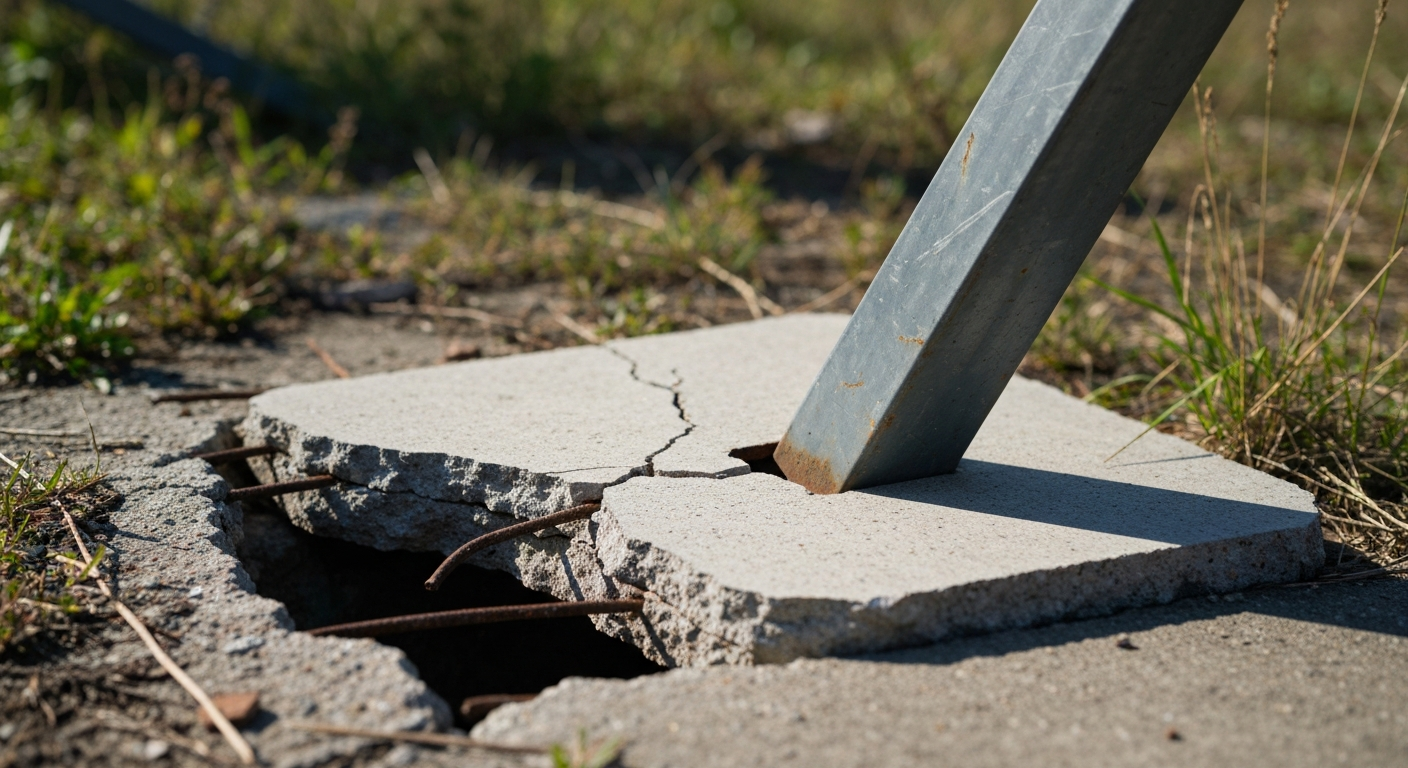
Post depth is not a thinking video game, and it's not the place to "make it work." A superficial embed can bring about gradual failure, particularly in frost-prone regions and in locations with saturated soils.
Some jobs stop working since the blog post holes weren't deep sufficient. Others stop working due to the fact that the opening was as well superficial at one end and deeper at the various other, developing a refined tilt that the rest of the fencing tries to correct. Yet others fail due to the fact that concrete was used the wrong way, like establishing messages in a dry, brittle mix or putting concrete too high while disregarding compaction and drainage.
One thing I found out by hand is that you can't make up for bad blog post installed with "extra screws." A fencing is only as steady as its articles. Screws can hold boards, however they can't change the feature of an appropriately established article and correctly supported rails.
When you chat with a fencing contractor, demand a clear description of exactly how post holes will be excavated and just how articles will be corrected and secure throughout healing. Straightness must be measured before the concrete collections, not after. It takes minutes to talk to a degree and positioning line, and it saves hours of rework later.
A short area checklist that protects against most post failures
If you just remember a couple of actions, make them these. This is the component where a good fencing company makes trust fund:
- Confirm article opening depth and embed strategy match local problems and fence elevation needs
- Keep the blog post plumb throughout set, using a line and measurement at greater than one height
- Use steady, regular backfill if dirt conditions enable it, and prevent "air pockets" around the blog post
- Ensure edges, ends, and gates are dealt with as architectural factors, not like mid-run posts
- Verify placement again after the concrete starts healing, due to the fact that tiny changes happen during the very first hours
Pouring concrete the wrong way
Concrete seems uncomplicated up until you view somebody put it like they're filling up an opening with a bucket. Concrete is not simply filler. It alters exactly how moisture engages with the message and can impact just how well the post resists movement.
A couple of concrete-related errors show up repetitively:
First, articles are in some cases established on top of a slim layer of concrete as opposed to being completely sustained with the embed location. If the dirt under the blog post is soft, the message can settle into deep space later.
Second, concrete can be put too high against all-time low of the article without a drain technique. Entraped dampness can speed up rot in timber blog posts and can complicate corrosion security for steel posts, depending on the system.
Third, rushing the remedy timing is a real problem. If a crew braces and stress the fencing while concrete is still eco-friendly, the articles can move. That change could be undetectable initially, after that comes to be evident as soon as rails and boards are loaded.
If you wish to safeguard a post and maintain it right, bracing during treatment matters. It's not glamorous work, however it's the difference between a fencing that represents years and one that slowly walks out of plumb.
Ignoring drain and fence bottom clearance
Drainage troubles are the quiet killer. Water does not respect your schedule. It will certainly stream towards reduced places, swimming pool where the ground dips, and feed rot if fence materials catch dampness or sit too reduced in standing water.
A significant blunder is mounting a fence as well low to the ground. Boards and pickets can remain wet. Timber articles can being in wet soil. Even with cured lumber, constant wetting reduces life. For steel fences, the bottom can collect particles and moisture, which encourages rust around fasteners.
Another error is not dealing with quality changes. A yard incline can look mild till you mount panels. Then you see spaces under the fence that vary hugely, or you see panels that bow since a person demanded running rails level rather than adhering to quality properly.
There are 2 compromises right here. If you adhere to the ground with a "step" style, you get better contact and typically cleaner look at the sides, yet you have to intend the rail and picket format. If you keep everything level, you might wind up with bigger spaces that can be an issue for pet dogs or wind-driven debris. The right choice depends on the fence style and your priorities.
If you're dealing with fencing contractors, ask exactly how they intend to handle uneven ground. A qualified fencing contractor will explain whether the layout will step, whether rails will certainly be scratched or adjusted, and just how gateway clearances will be handled so the gate doesn't become a trip hazard.
Choosing the incorrect products or setup technique for the environment
Materials option can be right on paper and incorrect in practice if the installment technique does not match the atmosphere. Treated timber in one location can last much longer than expected, while the same setup can fail faster if water swimming pools against it or if sprinklers wet the fence constantly.
A few environment-driven blunders are common:
If you stay in an area with regular freeze-thaw cycles, bolt rust and message activity end up being larger problems. If the soil broadens and acquires, fencings with superficial embed deepness or inadequate supporting experience more.
If you have salty air or heavy seaside moisture, metal parts need attention to coatings and fasteners. If a fence company utilizes mismatched equipment or low-quality bolts, you might see very early rust even when the fencing itself is "expected to be resilient."
For vinyl and composite fences, the blunder is commonly not the material itself however installation details like rail positioning, expansion factors to consider, and appropriate attachment. Some materials endure motion, others expect the installer to regulate how the fencing is supported.
A solid fencing contractor does not simply talk about the fence brand or the look. They talk about just how it will certainly act in time with your details dirt, wetness, and wind exposure.
Over-tensioning rails and pushing panels to fit
A refined error that I still see: teams force panels right into area without valuing the layout. They press rails to get screw holes to align, or they pull the fencing line limited to "make it square." That seems reliable. It also develops stress right into the system.
Fence materials increase and agreement. Even wood and metal relocation under sun and temperature adjustments. When you install with no space for motion, the fencing has to take in tension with bending, turning, or fastener strain. The earliest indicator is usually that hardware starts to loosen or that the fence starts to "rack," meaning it changes form slightly.
I have actually viewed a fencing ended up being noticeably manipulated after a person tightened everything as well boldy throughout setup. The fix is not constantly a quick one. Once posts and rails are stressed out, you commonly need to loosen, realign, and resecure. Better to avoid the stress in the initial place.
This is also where gateway alignment endures. Gates require a steady framework and predictable clearances. If rails are forced into a placement that really feels right in the moment yet neglects anxiety lots, eviction can bind as quickly as the temperature level shifts.
Forgetting equipment high quality and corrosion resistance
It's easy to focus on boards and blog posts, and miss out on the equipment. In truth, fasteners and adapters carry the lots between parts. If they're weak, mismatched, or set up improperly, the fencing will fail early also if the articles are solid.
Common hardware problems consist of utilizing screws that are not ranked for outside use, using the wrong kind of fastener for cured lumber, or avoiding corrosion-resistant components at critical points like gate joints and lock systems.
If you're managing a fence installment, do not deal with gate hardware as a second thought. Entrance messages see added utilize. Hinges and latch factors are frequent anxiety points. Inexpensive hardware might operate at initially, after that it loosens, misaligns, or falls short after a period of duplicated open and close cycles.
When you speak to a fencing company or fencing contractor, ask what bolts and hardware they utilize, specifically for gates and edges. If they can not describe, or if they supply unclear answers, update the discussion prior to setup begins.
Rushing straightness and alignment checks
Straightness is where knowledgeable installers separate themselves from fast teams. A fencing can look "mostly straight" when you view it from one angle. That's not what issues. The fence requires to remain constant throughout the whole run, and it needs to stay lined up with entrance hardware and edge geometry.
A mistake I see is examining positioning just once, early in the day. The fence line can wander if posts resolve slightly, if a rail is mounted in a manner that pulls the system, or if ground conditions range openings. Also a sturdy fencing can create positioning concerns without ongoing checks.
This is likewise why "eyeballing" is risky. The human eye forgives error till it doesn't. A degree, a straightedge, and a positioning line are cheap compared to rework.
If you work with fencing contractors, insist on organized checks. Inspect line and article plumb prior to rails take place. Examine once more after rails are mounted. If there's a gateway, inspect the joint side, after that the latch side, then the swing clearance. When positioning is confirmed at each phase, the fencing winds up looking deliberate, not luck-based.
Gate installation blunders: the greatest multiplier of little errors
Gates expose troubles much faster than any kind of various other component. A fence could endure mild misalignment in mid-run sections, however gates count on precise geometry.
Some normal gate-related errors:
People install entrance frames without making up article motion. If hinges are attached prior to the framework is secure, eviction can wander out of square.
Crews can set joint spacing incorrectly or select equipment that does not match eviction weight and wind exposure. A gateway in a gusty location needs sturdier parts than a sheltered backyard swing.
Latches are often set up without enough clearance. An entrance can look fine on a moderate day and bind when it swells or when the fence line shifts a little after a hefty rain or freeze-thaw cycle.
If you're coordinating with a fencing company, treat gate installment as its very own mini task. Eviction is not simply "one more panel." It needs preparation, correct equipment, and verification after the fencing structure settles.
A second listing, due to the fact that this choice point issues: just how you take care of uneven ground
Uneven ground is regular. The installation choice is where fencings are successful or fail visually and functionally. Right here's exactly how installers typically handle it, and why one method might be much better than one more depending upon your goals.
- Step the fence along the slope, creating a tipped look but keeping the framework aligned to quality
- Use a "leading rail level" strategy, which can develop larger gaps at the bottom on slopes
- Use a regular gap style for personal privacy and animal control, frequently needing mindful panel or picket layout
- Combine approaches at shifts, like near your home or around gateways, to maintain function and look clean
The error is picking an approach due to the fact that it's most convenient for the installer or fastest for the routine. The right method ought to match fencing design, just how you want it to look, and what threats you're handling, like pet escape or particles accumulation.
How to pressure-test a fencing company before the initial hole
A great deal of home owners wait up until they see an issue to ask concerns. By then, the decisions are secured. If you will work with fencing contractors, use the drawing board to obtain self-confidence in their process.
An excellent fencing contractor will chat through just how they manage format confirmation, exactly how they establish post depth based upon soil problems, and how they prepare for drain and unequal grade. They need to be comfortable explaining why certain corners need much heavier supporting, and how they keep entrances aligned over time.
If you get unclear responses or rapid talking, slow it down. Inquire about exactly how they will certainly keep blog posts plumb during set, exactly how they will support while concrete treatments, and what they do if they locate unanticipated soil or obstructions while excavating. Groups that have done this work repeatedly do not be afraid those questions.
Also inquire about timeline realities. If somebody promises "zero interruptions" regardless of weather condition or gain access to restraints, that's not professionalism and trust, it's advertising. Installation is impacted by healing times, hardware preparation, and website prep. A fencing company that prepares genuinely will deliver a better outcome.
Repairing blunders without duplicating them
Even mindful setups can face issues over time. That's different from making avoidable mistakes to begin with, yet it matters since repair exposes what was wrong.
Common fixing circumstances include messages that have begun to lean, rails that have actually loosened up, or entrance locks that no longer align. When you fix, you want to recognize the motorist. If you only tighten equipment without resolving the article installed or water drainage issue, the fencing will certainly fail again.
I've seen repair services where somebody changed a busted board yet overlooked the fact that the fencing line had moved since corner bracing wanted. The new board looked fine for some time, after that it stopped working due to the fact that the underlying stress and anxiety remained.
The best technique is to match the fixing technique to the original reason. If it's a blog post embed issue, enhance embed and bracing. If it's rust, update fasteners and address dampness direct exposure. If it's placement, repair the framework, not just the appearance.
The benefit: a fence that stands up when you stop thinking about it
When you avoid these usual fence setup mistakes, you obtain greater than visual charm. You get security with seasons. You get gateways that close efficiently after storms. You obtain fewer repairs and less irritation when temperature levels swing.
A properly set up fencing must be long lasting, predictable, and honest regarding exactly how it interacts with wind, water, and quality changes. That only occurs when the procedure is careful from design to hardware, and when the installer resists the lure to "require it to fit."
If you're picking fencing contractors or collaborating with a fencing company, prioritize procedure over rate. The fencing is not a fast weekend project if it needs to last through rain, freeze-thaw, warmth, and wind. Put the focus where it counts: blog post security, supporting, drain, positioning, and hardware quality.
That's just how you wind up with a fencing that does its task silently, every year, and still resembles the strategy you authorized on day one.