Fencing Installers on Fire-Resistant Fencing Options
Wildfire utilized to be a seasonal concern. Now it is a preparation variable. We see clients that never ever considered fire danger unexpectedly encountering coal on the patio area and char on the fence rails. As a Fence Installer who has actually worked from coastal canyons to high desert streets, I have watched fencings act like merges for homes when wind presses a fire front. The ideal layout modifications that outcome. Material, spacing, height, and the means a fence fulfills a structure all issue more than the catalog images suggest.
Fire-resistant secure fencing does not indicate unsightly or bunker design. It indicates selecting assemblies that do three points well, sluggish ignition, dropped embers, and limitation induction heat spread. Good fencings buy time. They likewise guide fires away from house siding, soffits, and decks where loss usually starts. If you are a property owner, a residential property manager, or one of the many Fencing Contractors reconsidering your typical spec, this is where to focus.
What really burns in a fence
When a fencing lights off, it is seldom a barking wall of flame initially. A lot of ignitions start with ashes touchdown in horizontal pockets, completely dry debris caught at rails, and tight spaces between boards. Wind presses cinders right into those areas, after that the fence smolders up until a tongue of flame discovers a completely dry slat or a resinous knot. Radiant heat from something else burning nearby will certainly likewise start pyrolysis on timber surface areas also if there is no direct flame.
I have replaced long terms of 6 foot privacy fences where just the very first eight feet near your house transformed to charcoal. The other 200 feet were gray however intact. That pattern turns up in records and in the area. It is the junctions that do the most damage, the area that connects into a wall surface, the corner by the deck stairs, eviction lock side where leaves pile.
If you reduced the ash pockets and maintain the five feet closest to the building fireproof, you have disrupted the pattern that damages homes. Many jurisdictions have actually ordered that idea. In California, the building ordinance for Wildland Urban Interface areas requires any kind of fence, gate, or similar structure connected to a structure to be built of noncombustible products for at least the very first five feet from the framework. Insurers in numerous states echo that in their requirements.
Materials that earn their keep when it is hot, dry, and windy
There is no person magic fencing. Every site combats a specific set of risks, wind direct exposure, close-by gas, slopes, and neighborhood restrictions. That stated, a handful of materials have repetitively proven themselves in screening and under field stress.
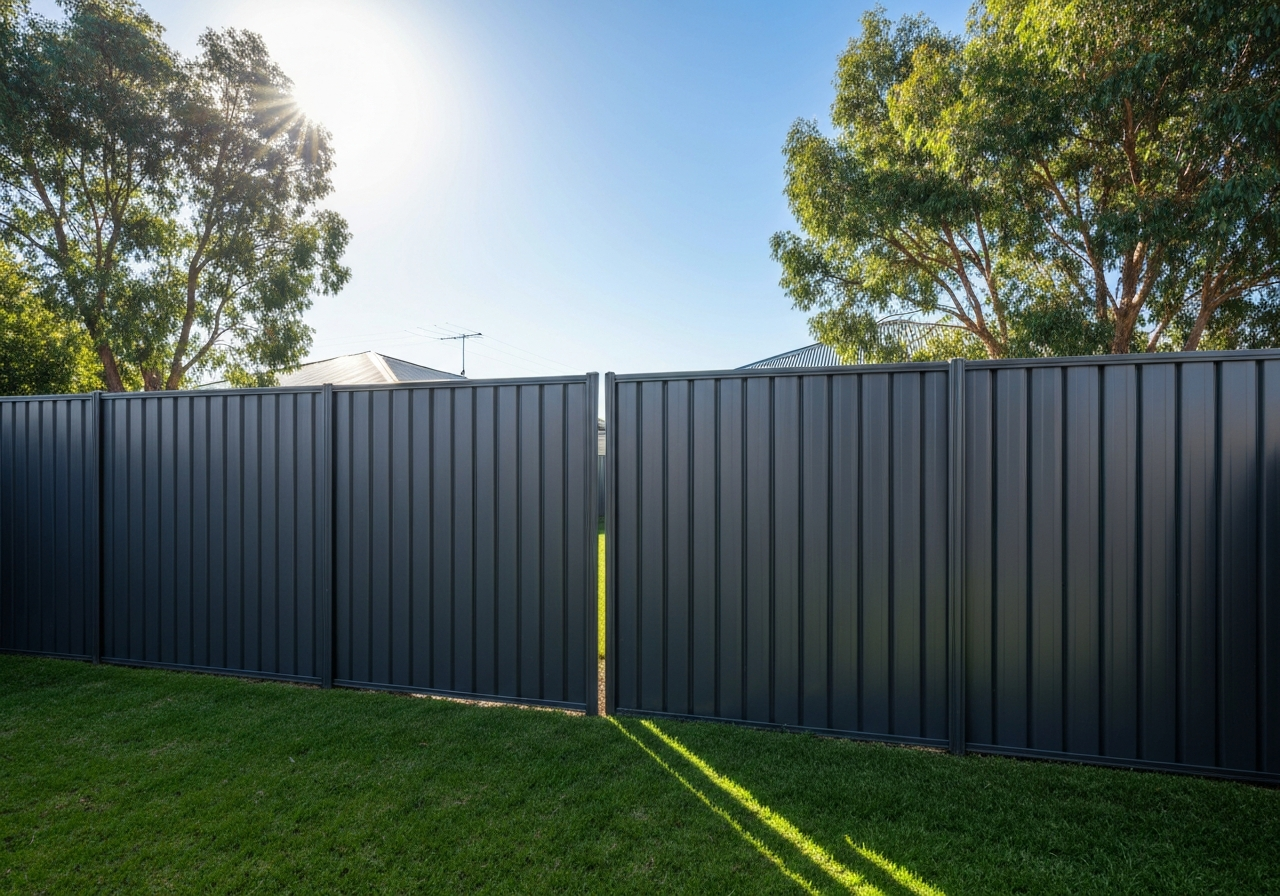
- Steel or aluminum panels and pickets, ideally with galvanized or powder-coated surfaces. Steel takes care of embers and induction heat without adding fuel. Thicker scale performs better under long term exposure. Prevent slim, oil-canned sheets that warp in heat.
- Welded cable mesh on steel structures. This is a go-to for defensible area since air goes through and particles does not accumulate. If personal privacy is required, add noncombustible displays near the living area and maintain the remainder open.
- Masonry, consisting of block, brick, or stone. It is heavy and not inexpensive to install, but it is the gold requirement for fire. Even a low block wall at the base with a metal fencing over it breaks surface area fire continuity.
- Fiber cement boards on steel rails. True fiber cement, ranked fireproof, withstands warmth and does not propagate fire. The accessories should be metal, and the lower edge needs to be free from soil to prevent wicking water and falling apart over time.
- Ignition-resistant treated timber for sections much from frameworks. Pressure therapies marketed for wildfire zones can reduce ignition. They are not fireproof and will certainly melt under continual exposure, so we maintain these out of the 5 foot zone.
PVC and standard plastic do poorly when hot. I have actually seen white plastic fences slump and open voids long before flames reach them. Composites differ, some include a high percent of plastic that softens, some pass surface flame spread examinations but still produce hefty smoke and leaking embers under straight strike. If a customer is pushing for low upkeep privacy and likes composite appearances, I spec a crossbreed, steel for the very first area near your house, composite better out, and adequate spacing from grade with clear rock at the base.

What the codes and tests really say
A great deal of advertising and marketing throws around fire ratings without context. At work and in permit evaluation, two referrals turn up most:
- ASTM E84, surface burning attributes. This examination offers a fire spread index and smoke growth number for products in a controlled inside situation. A Class A ranking on E84 indicates a low fire spread, beneficial as a piece of the challenge, but it does not make a fence wildfire proof.
- California CBC Phase 7A, WUI regulations. Among other points, it addresses outside wall surfaces, eaves, vents, and decks. For fences and gateways attached to structures, the rule is clear, the initial 5 feet from the building have to be fireproof or ignition immune. Local amendments often include detail, so I always validate with the AHJ.
NFPA 1144 and regional fire secure council guidance concentrate on defensible area, ladder fuels, and just how to handle the area around frameworks. These practices affect fence design greater than any kind of laboratory score due to the fact that they manage what accumulate along a fence line and just how close vegetation can grow.
A functional takeaway, use noncombustible materials within five feet of any kind of structure, maintain the lower rail off dirt, and leave a crushed rock or hardscape strip to quit turf fires from licking the slats. Past that initial area, select assemblies that take a breath, lose particles, and sluggish ignition.
How we create for embers, not just flames
Wind drives wildfire. Coal ride that wind and seek out anything that can hold them while they transfer heat. A board-on-board personal privacy fencing can imitate a pocket for cinders, particularly with dog-eared accounts and knot holes. Horizontal slats are fashionable, but their shelves catch needles and leaves. When clients request a seamless, limited appearance, we talk via the ash math and after that improve the spec.
Open patterns exceed shut ones under coal attack. A steel frame with three inch bonded cord mesh develops privacy as soon as vines develop, yet throughout fire period it stays clean. If personal privacy must be immediate, perforated steel with staggered round holes does not catch particles the method slats do. With slatted styles, a quarter to half inch upright space interrupts capillary wicking, maintains the air movement smoother, and offers cinders less landing zones. The trade, slight transparent. The majority of clients accept it after we show mockups.
Height plays a various duty. Tall fencings closer than five feet to a wall surface can imitate a heat mirror when vegetation sparks beyond. If the site requires height for screening, we pull the fence back from the structure and utilize a reduced fireproof go back to connect the gap. Where driveways meet, I such as low masonry kneewalls with steel pickets over. It reviews refined and silent, but it also produces a heat break at tire elevation where ignitions begin with hot particles.
Connections are commonly the weak spot. If a beautiful steel panel meets a cedar article with a wood block spacer, that little block will certainly char and transfer damages. All bolts, braces, and spacers near frameworks need to be steel or aluminum, with correct isolators to stop galvanic corrosion. Powder coat or hot-dip galvanize for coastal or deiced environments. We keep wood off steel with nylon washers or gaskets where required, not wood scraps.
Gates, locks, and the five foot rule
Gates welcome shortcuts during installation. I have seen ignition-resistant fencings tied right into a residence with a handsome, totally wooden entrance since the producer desired the grain suit. That beats the function. The code reasoning and the physics put on entrances too, anything affixed to the structure needs to be fireproof for the very first 5 feet.
We develop gateway leaves with steel or light weight aluminum frames, steel skins, and self-closing hinges rated for exterior fire doors when feasible. Jambs and stops need to be steel. If a wood look is important, utilize fireproof veneers or porcelain slabs on a metal subframe. Leave a minimum of a two inch gap under eviction and maintain a noncombustible limit so pine needles and mulch do not construct a wick.
Hardware should endure heat. Brass holds up far better than zinc die-cast in a flare up. Lock cable televisions and closers with plastic sleeves will certainly fall short, so choose metal-sheathed or concealed springs built for outside use. In a couple of rebuilds after fires, customers can not open entrances due to the fact that nylon roller guides thawed. That great detail can turn into a safety and security issue when individuals require to get out.
Fence bases and the ground interface
Most fencing lines collect what the wind brings. That is why the base detail matters greater than property owners anticipate. Dirt draws dampness into posts and rails, develops termite pressure, and conceals mulch and leaf litter that can stir up the fence from below.
We placed at least a four to 6 inch noncombustible strip along the base, decayed granite, gravel, or pavers. In high brush zones, twelve inches is smarter. The fencing must start over that line so air and light completely dry the base. On slopes, we step the fence as opposed to raking slats tight to quality, then tuck small retaining walks to maintain gravel from migrating.
If privacy needs force the fencing more detailed to the ground, we include a masonry plinth, a a couple of program block stem with weep paths, then established steel panels over. This maintains ashes from finding a home at the base and stops slipping ground fire from licking up into slats.
Retrofitting an existing fencing without tearing everything out
Plenty of property owners live behind lengthy wood fence excellent problem. Informing them to rip it out is not constantly reasonable. There is a center course that brings a lot of worth for the money.
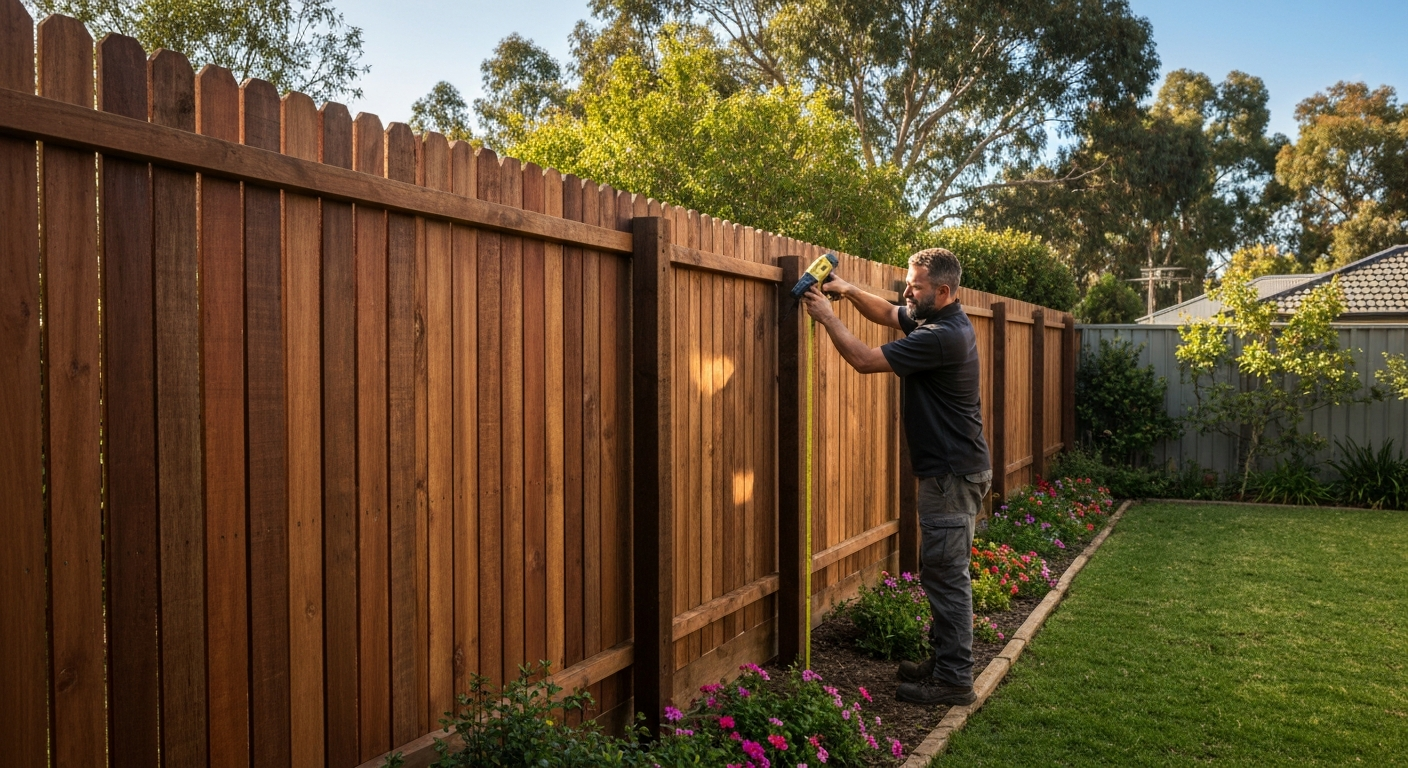
- Replace the very first one to two panels closest to your home with noncombustible settings up. Steel frameworks with perforated steel or fiber cement boards on steel rails mix aesthetically with timber past if you take care of proportions.
- Insert crushed rock or paver strips at the base, at least a shovel-width on both sides in high danger locations. This is economical and promptly reduces ember accumulation.
- Widen tight joints and eliminate horizontal steps. On horizontal designs, course drip borders on slat bottoms or include a mild angle to drop debris. On vertical personal privacy slats, a quarter inch upright gap reduces coal traps.
- Swap wood messages at the very first span or 2 from your house for steel blog posts with correct footings. Usage steel brackets to connect right into staying timber rails without developing rot points.
- Replace gateways attached to the structure with steel frameworks and hardware. Even if the remainder of the run continues to be timber, that gateway adjustment lines up with code intent and enhances egress under stress.
We price these retrofits in components so homeowners can phase the work. A 2 panel conversion at a home edge, a gate restore, and a crushed rock base run often land in the 3 to eight thousand buck array depending upon gain access to and coatings. Full remove and rebuilds vary commonly, from fifty to a few hundred bucks per linear foot, products drive most of that spread.
The truth of budget plans and looks
A fencing is both a tool and a facade. Clients hire a Fence builder to develop privacy, silent pets, frame views, and keep a residential or commercial property line truthful. Fire safety sits alongside those goals, it does not replace them. We obtain the best results when we integrate the threat work into the style decisions early.
Steel and aluminum are not the affordable options on a per foot basis. They also allow lighter structures with longer spans and slimmer accounts, so you can invest in the parts that matter while maintaining the fencing elegant. Stonework is expensive where transporting and footings are tough, but a two foot block or rock base reduces the more costly steel work above and boosts fire efficiency. In neighborhoods with style testimonial, we typically win authorizations with combined products, rock or stucco base, warm colored steel pickets, and a personal privacy section held up from the street.
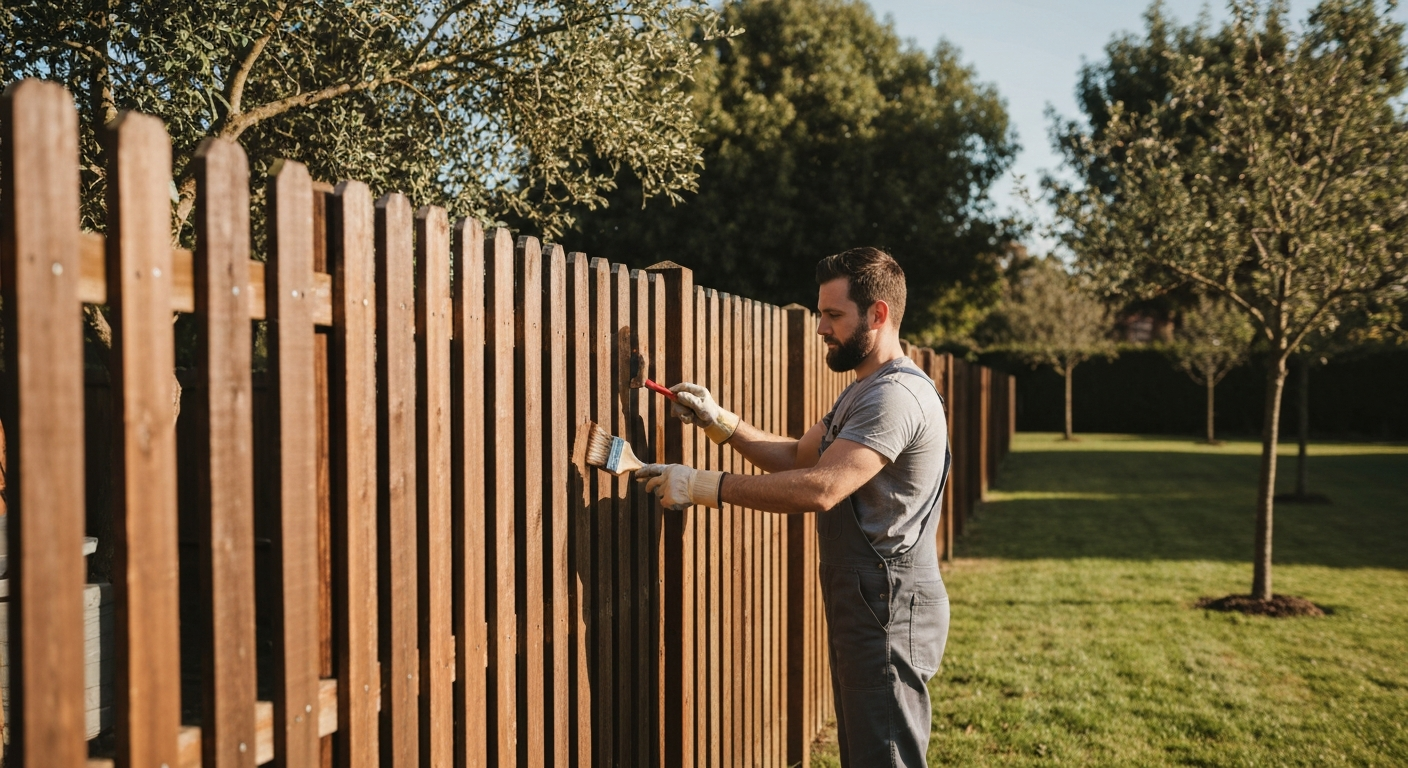
If wood have to become part of the language, I keep it out of the initial 5 feet from structures. Beyond that, I select tight-grain, low-resin varieties and oil finishes that do not construct a sticky dirt magnet. I develop with exchangeable sacrificial caps and panels that can be switched after a heat event without reducing right into messages. Ignition-resistant therapy assists, however do not confuse therapy with resistance. Treated boards will burn if a wood pile sits against them for an hour in wind.
Workmanship information that alter outcomes
Two fences constructed from the exact same product can do extremely differently under attack as a result of handiwork. The method a Fence Contractor deals with spacing, bolts, and design either assists ashes leave or holds them tight.
We prevent dual leading rails that produce gutters. If the style requires a cap, we pitch it to lose water and debris and interrupt futures with breaks. Rails swiped right into messages look clean however trap extra. I favor surface-mounted rails on steel blog posts with stand-off brackets, simple to tidy, tough to clog.
Gaps need to be honest. A quarter inch specified on paper must determine a quarter inch on website, not pressed tight by an eager crew. Constant gapping is labor, yet it matters when coal fly. On inclines, we build in darkness voids to maintain the appearance crisp while preventing ledges.
Fasteners should be rust resistant and suitable with the metal in play. Stainless on light weight aluminum with nylon isolators where needed, galvanized on steel sets, and layered screws for cured lumber. In wildfire zones near the coastline, salt and heat collaborate on economical hardware. I have actually seen zinc-plated screws shear during a post-fire cleaning, turning a salvageable panel into scrap. The right screw head additionally transforms maintenance. Exterior Torx or square drive holds up to repeated checks, Phillips heads strip and make owners avoid required tightening.
Vegetation and fencings, close friends at a distance
An excellent fencing in some cases welcomes the incorrect plant. Creeping plants assure green walls and rapid privacy. In technique, they additionally assure gas ladders up messages and thick duff along the base. If we connect trellis panels for growing, I pull them off the main fence with stand-offs and maintain them out of the 5 foot area. I define watering that wets the dirt without wetting the fence. Drip on a timer with wetness sensors, not sprayers that leave caps and rails damp.
Shrubs need to not comb against panels. We set planting lines eighteen to thirty inches back depending upon the varieties and regional growth routines. Compost serves for water retention, but maintain it far from the fence line. I like rock mulch belts that link visually into gravel strips at bases, a basic information that damages gas continuity.
Insurance, evaluations, and what helps you on paper
Insurers are paying even more focus to parcel level fire threat. Several currently send out assessors or ask for photos of eaves, vents, decks, and fences. A Fence Installer can give house owners files that aid, material spec sheets for noncombustible components, pictures of the five foot zone at entrances and wall connections, and an easy layout of the defensible room strategy with dates for maintenance.
Some service providers supply mitigation credits. They are not global and not always large, yet customers value any type of win. The most effective payoff is accessibility. In warm markets, a compliant residential property finds insurance coverage where a similar one does not.
Maintenance rhythms that maintain performance high
A fireproof fence comes to be a fire-friendly fencing if it loaded with debris and loosens up. Upkeep is part of the style. We plan for it and develop it right into the handoff.
- Seasonal cleanout of the base strip, at the very least two times a year before the most popular months and after fallen leave decline. Hand rake or a cordless blower used with treatment maintains the strip clean.
- Fastener check annual, retighten or replace as required. Concentrate on entrance joints and latches, after that the first 2 panels near structures.
- Recoat routines for steel surfaces per maker assistance. Powder layer commonly requires very little benefit years, however chips should be retouched without delay to prevent undercut rust.
- Vegetation set-backs examined annually. What was a neat eighteen inch gap in year one becomes a no gap by year three if not trimmed.
- Post ground assessment after hefty tornados. Erosion can expose bases and produce pockets for debris. Regrade gravel and backfill to maintain the detail.
Most of this is straightforward. The obstacle is remembering it. We leave clients a one web page routine with photos of the crucial checks. For taken care of residential or commercial properties, we set schedule suggestions and bundle fence maintenance with gutter cleaning and air vent checks.
What experienced Fence Contractors are specifying now
Talk to 10 Fence builders and you will certainly hear different material loyalties. The very best patterns emerging across areas look like this. Metal closest to structures, open layouts where privacy enables, hybrid walls with fireproof bases, and clear ground user interfaces. High wind areas lean toward heavier scale steel, inland valleys like perforated light weight aluminum for weight and rust resistance. Fiber concrete panels on steel frames have come to be a preferred where clients desire smooth, contemporary privacy without timber. When spending plans push back, we focus on the first 5 to 10 feet from your home and eviction assemblies, then phase the rest.
For property owners selecting a Fencing Contractor, ask to see fire-focused details in past work. Not just pretty pictures, however base strips, gateway limits, and exactly how the fence fulfills the wall surface. An excellent Fence Installer will certainly have responses regarding cinder catches and spacing that exceed catalog talk. They will certainly also raise neighborhood code compliance and allowing without being asked. If you are obtaining bids and a professional brushes off the 5 foot noncombustible area, maintain looking.
A short instance from the field
Two summertimes ago we replaced the very first thirty feet of a cedar privacy fence that connected right into a stucco residence at a cul-de-sac. The street supported to a brushy slope. The owner wanted to maintain the remainder of the fencing for spending plan factors. We set up a two foot block stem wall surface with a powder-coated steel panel system above it for the first 3 bays, constructed a steel entrance that matched the panel rhythm, and reduced a 24 inch gravel strip along both sides. We adjusted the continuing to be cedar, opened quarter inch gaps, cut all-time low to clear grade, and added a DG belt.
A wind-driven fire ran the slope a year later on. Embers struck the fencing line from behind. Neighbors shed entire fencing runs. Our client sent photos. The steel panels were smoke discolored, the block plinth unmarked, and the cedar additionally down the line had char at the edges but had not carried flame back to your home. The gate functioned the next morning. That was not good luck, it was physics applied with care.
Final assistance for choosing your path
Steel, light weight aluminum, stonework, and fiber concrete are the foundation of fireproof fencings. Utilize them smartly within five feet of frameworks, link them into hardware that will not stop working under heat, and information bases that shed particles. If timber or composite should belong to the appearance, push it out from the building and design it to take a breath. Budget plan where it counts, the initial few panels and eviction. Partner with a Fencing Builder who can talk fluently about cinders, convected heat, and code.
Fences do not stop wildfires. They affect exactly how the first mins unfold on your residential or commercial property. In those minutes, little options conserve residences. Pick products that do not intensify. Shape voids that burglarize embers of acquisition. Keep the ground at the base tidy and tough. The rest, elevation, color, appearance, is the very easy component. The outcome reads as a well made fencing, and under stress and anxiety it executes like a peaceful item of safety equipment.