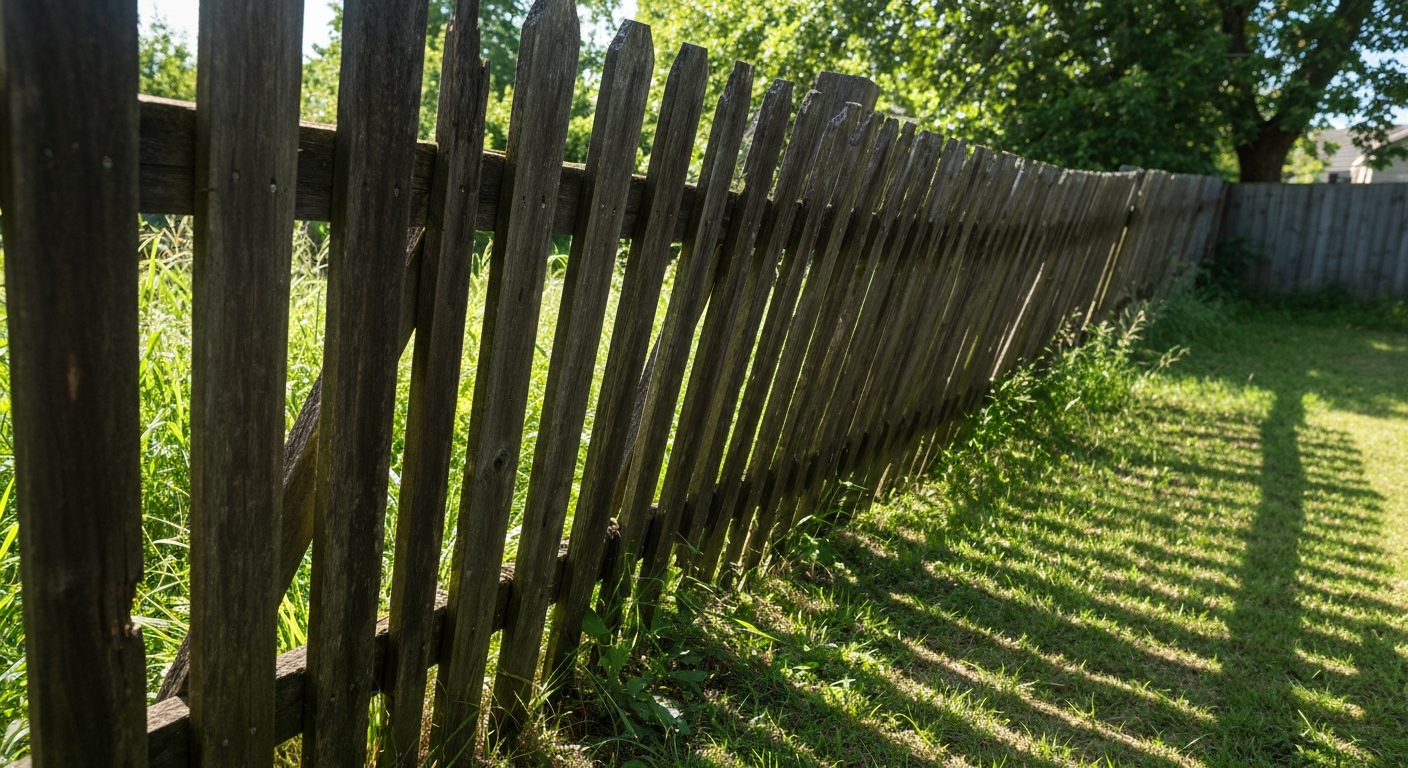
Fence Company Safety And Security Criteria
Fence work looks straightforward from a distance: set messages, hang rails, make it look clean. Up close, it is a building task with real hazards hiding in ordinary sight. The back of a pick-up bed can become a hand injury website if you are careless loading steel. A hefty message can swing like a pendulum throughout placement. A mill can attack quick, and so can a line leaner when you forget you are basing on unequal ground. When individuals employ a fence company, they normally discuss looks, lead times, and service warranty coverage. What maintains everybody coming home safe is the firm's safety and security criteria, the ones that stay in jobsite regimens, not simply in a binder.
I have discovered to judge a fence company by small signals. Do they deal with pre-task planning like a habit, not paperwork? Do foremen stop and reset when conditions change, like climate shifts or a gas line shows up on a marked map? Do they have a way to handle the "we have to rush" moments without transforming them right into shortcuts? The best security requirements are not rigid mottos. They are practical choices made under pressure.
Safety starts before the staff ever touches a tool
The most significant injuries I have seen were preceded by ordinary mistakes: wrong dimensions, missing out on energies confirmation, uncertain duties for lifting, and a "that's not our concern" perspective concerning the location around the task. Fence company safety and security criteria should begin with the pre-mobilization stage, due to the fact that the jobsite is where hazards expose themselves, however preparation is where you discover what is waiting.
A good task planning session consists of a real website testimonial, including surfaces, incline, and access. If the lot is tight, you do not just note it. You choose just how the staff will stage products, where devices will certainly park, and how you will move long rails without wrestling them through gates. If the ground is rockier than anticipated, the standard must trigger a change in footing technique rather than a "muscular tissue it in" response.
Weather is one more very early decision point. Fence teams can work in warmth, however the requirements must specify when you stop, when you moisturize boldy, and how you handle exhaustion. Wind matters too, especially when cutting or dealing with huge panels. I have actually enjoyed an installer try to hold a fencing area while one more person cut ends in gusty problems, and the panel moved simply sufficient to make the work hazardous. Wind does not respect schedules.
Utilities are the large one. Also when a location is marked, marks can be wrong, discolored, or insufficient. A solid standard needs confirming what lies near your dig points and specifying what happens if a marker is missing out on or vague. If the team needs to dig near something uncertain, the safety criterion need to call for a different method, like hand excavating or using non-invasive locating methods, till the danger is understood.
The core risks in fence installation
A fencing task is a chain of tasks, and each link has its own dangers. Safety and security requirements work best when they do not treat "safety" as one blanket need. They need to map the dangers to the jobs the staff actually does.
Post setting: back injuries, squeeze factors, and struck-by incidents
Post setup is where I most often see uncomfortable injuries. Messages are unpleasant, heavy, and uncertain when they begin to relocate. If your crew utilizes augers, tampers, or mechanical lifts, safety requirements should clearly cover exactly how operators control the equipment and exactly how assistants remain placed. The "stand ideal alongside it" routine threatens, particularly when a post is being lined up or when concrete is being mixed and poured.
Pinch factors show up throughout placement and bracing. Also a very carefully placed message can change when a worker loosens a band or releases a support. Struck-by cases are common when someone walks right into the swing path of a tool, a message being carried, or an area being raised right into setting. A good standard establishes clear exclusion zones and reinforces that the person holding a line, a tape, or a degree is not the exact same person who ought to be in the carrier's path.
Cutting, grinding, and fastening: eye injuries and burns
Fence crews live around steel and treated lumber, which indicates reducing and grinding are routine. Safety requirements need to deal with eye protection as non-negotiable, not optional. I have actually seen small chips become major injuries when a person "just" looked over a mill to check the cut line.
Gloves help, but they are not magic. Some handwear covers decrease hold and can be risky around turning tools. Specification should define proper gloves for the job, not just "use handwear covers" as a common line. If the staff makes use of power tools, the criteria should also cover guard usage, trigger control, and how cords are directed to stop trips.
Concrete mixing and putting bring an additional risk. Wet concrete is caustic, and dashes can melt skin swiftly. A firm's security requirement must consist of eye and hand protection when managing concrete products and a clear plan for laundry and first aid access.
Trenching and digging: collapse risk and energy surprises
If your fencing design requires much deeper grounds, excavating ends up being a risk category on its own. Even little trenches can end up being unpredictable depending on dirt kind. Safety criteria must resolve just how deep dig job is done, exactly how soil is taken care of, and how employees position themselves to avoid collapse or entrapment.
The utility issue additionally proceeds past the first locate. If you struck something unanticipated, the standard ought to need quiting and escalating. A fence company security strategy needs the authority for the supervisor to pause job and ask for aid without really feeling punished for doing the best thing.
Weather and surface: slides, falls, and presence issues
Slips and falls are common when crews work with uneven ground, slopes, or damp surface areas after rainfall. Criteria ought to cover shoes requirements and material handling on slopes. A panel lugged downhill can gain ground and become unmanageable.
Visibility transforms the calculus too. If the crew is functioning near a road or driveway, web traffic control enters into security criteria, not an afterthought. A team can do every little thing right in construction, after that obtain blindsided by an automobile while dumping tools. High-visibility gear, secure hosting, and clear interaction with the home owner or residential or commercial property manager can avoid these scenarios.
What "excellent" safety and security criteria look like in a fencing company
Safety requirements are frequently slammed for being too administrative. The best ones prevent that catch. They are created in a manner in which sustains the team's choices, not just compliance.
In a fence company, the criteria I trust have three high qualities:
First, they specify to fencing jobs. A common building security policy that mentions "various website hazards" is inadequate. The fence company safety and security criteria ought to discuss excavating, training, power devices, cutting, and product handling, since those are the work's realities.
Second, they are enforceable at the factor of work. A foreman needs to have the ability to indicate a basic and claim, "This applies below." If the standard is ambiguous, the staff will fill up the gap with guesswork, and guesswork is where injuries happen.
Third, they mirror local conditions. Dirt type, common weather patterns, common fencing styles, and readily available tools differ by region. A strong fence company safety program gets used to those variables instead of duplicating a design template from one more state.
Personal safety devices: not just "PPE," yet the appropriate PPE
PPE is the last line of defense, but it is still a powerful one when it is selected appropriately and put on constantly. For fence installment, eye security is fundamental throughout cutting, drilling, grinding, and even when blending concrete. Gloves matter throughout handling of steel elements and when working with dealt with timber, due to the fact that splinters and sharp edges belong to the job.
Hearing protection is worthy of the very same level of focus. Augers, saws, and mills can develop tiredness quickly. Exhaustion is a danger, and hearing damage is irreversible. I have actually seen teams power with loud tasks much longer than they must since nobody timed breaks. Safety requirements should specify break pacing and consist of hearing protection in the kit, not as a spare.
Footwear is one more location where "sufficient" slips into danger. Steel-toe boots can be proper for several fence sites, particularly where products are organized. The trick is grasp. A boot with glossy soles on damp crushed rock is primarily a hazard amplifier. A great safety standard focuses on grip, ankle support, and security against falling objects.
Finally, visibility equipment helps on tasks near roadways. If your staff is working near driveways, security vests and reflective aspects are not vanity. They maintain the team seen while discharging and relocating tools.
Training that sticks: drills, not lectures
Fence firm safety and security standards should include training that matches how crews really function. Among the largest spaces I have seen is that training commonly happens once, at onboarding, and after that goes away. A requirement ought to require routine refresher course minutes, short toolbox talks that link to the current work.
This sort of training is most efficient when it is secured to events, near misses out on, and "look out" from actual jobs. A supervisor narrating regarding a close telephone call with a grinder guard is much more unforgettable than checking out a generic policy. The staff discovers context, not just rules.
Also, training should deal with communication. Many injuries begin with complication. That is raising? That is aligning? That is holding the support? Who is standing where? A requirement should need a basic method for handoffs and direction, like a clear signal in between the individual running equipment and the individual assisting positioning. If the team utilizes walkie talkies, the safety requirement ought to consist of radio technique so employees do not ignore their surroundings while chatting.
Equipment safety: augers, lifts, and power tools
If you run power tools on a fencing task, the criteria should cover greater than the device kind. They ought to cover how the crew evaluates it, exactly how it is transferred, and what "safe procedure" indicates for that details equipment.
Augers and trenching add-ons require guard checks and steady setup. If an auger bit is plain or incorrectly connected, the device can bind and kick. A safety standard need to call for stopping to correct the setup rather than continuing through binding, because binding frequently brings about loss of control.
When lifts or devices are made use of to move fence panels or long articles, the standard ought to specify duties. Tools and materials are not simply heavy, they are also long, and long products can collide with individuals and structures promptly. I prefer a standard that calls for a marked watchman when moving panels through tight areas. That decreases hurried improvisation.
Power cables and expansion setups deserve unique interest. Trip threats prevail when cords go across work courses, particularly around corners, ramps, and unequal surface areas. A safety and security criterion ought to require cable management, like directing cords far from website traffic lanes or securing them so they do not create a trap.
Concrete, chemicals, and the hidden "small print" risks
Fence installment commonly entails concrete, fast-set mixes, and sometimes chemical treatments for wood parts. Safety and security criteria should cover skin and eye protection for damp concrete, because dashes can take place also when every person is careful. It is inadequate to tell people to "be careful." A requirement must specify eye security, gloves, and safe handling procedures.
If the fence company uses chemical cleaners, preservatives, or stabilizers, the security requirements must include the proper labeling and safe storage space. I have actually seen chemical containers relocated into short-term staging locations near warmth sources due to the fact that a person "required it closer to the job." That is where standards avoid mistakes, by defining storage space areas, secondary control, and who can access and transport products.
Even dust is an aspect. Cutting dealt with wood or metal can develop damaging particles. Security criteria must consist of proper breathing protection where needed, however also consist of dirt control behaviors that reduce direct exposure. If the crew uses vacuum cleaner accessories or collaborates with wet techniques when feasible, those methods should become part of the safety and security standard.
A short, functional jobsite check prior to excavating and cutting
Most injuries take place early in the day, or right after a break, when individuals are focused on rate once more. This is why I such as a short start-of-task check that is basic sufficient to do also on a disorderly morning.
Here is the kind of check I anticipate from a fence company safety and security requirement, and I have actually seen crews use it successfully:
- Confirm energies lie and determine the precise dig points.
- Assign duties for training and placement, including that avoids of the swing or squeeze path.
- Verify PPE is used, including eye protection for cutting and grinding.
- Inspect devices and cords, and clear trip hazards in the work zone.
- Decide on footing approach based upon soil conditions, not simply the original plan.
The check is brief deliberately. If it takes 10 mins, people will avoid it. If it takes thirty secs to 2 minutes, it ends up being a habit.
Documenting safety without transforming it right into theater
Some companies record safety because they have to, not since they wish to. That causes pages that nobody reviews. Better fence company safety and security requirements deal with paperwork as evidence of great decisions.
Near-miss reporting matters. If a worker virtually obtains struck by a swinging post provider or a grinder flap, the requirement should define exactly how to report it promptly and exactly how to pick up from it without blame. Coverage needs to bring about changes. Maybe the crew adds a more clear staging routine. Perhaps they change exemption areas. Possibly they switch over from one training technique to another.
The paperwork additionally supports training. If you log tool-related cases or PPE failings, you can customize refresher training. Instead of telling everybody to "use PPE," you can indicate an actual pattern, like eye protection being removed during measurement actions that entail metal edges.
Finally, documents must include equipment examinations and maintenance. A safety and security criterion must not just say "evaluate devices," it must call for proof, a minimum of in a standard form, that inspections are done. If a company can not locate documents, that is a signal the requirement is weak.
The standards that matter most: control of access, control of the work, control of the pace
Fence work happens in client rooms. That creates a different security taste than a remote building and construction website. Property owners walk over, youngsters wander near materials, animals might screw right into the location, and neighbors ask inquiries at the most awful feasible minute. A fence company safety and security requirement should define just how accessibility is controlled.
That might indicate noting off a job area around digging and product staging. It may indicate establishing a traffic flow for the team so customers do not get captured behind a wheelbarrow or between a worker and a heavy panel. It additionally implies clear communication with the property owner regarding what locations will be temporarily off limits.
Pace is a safety problem also. Tiredness raises mistakes, and mistakes boost injuries. A solid common usages real limits, like maximum constant reducing time, rest breaks after demanding tasks, and hydration prepare for warm. When teams are forced, they can make high-risk options, like missing a PPE check or pressing with a binding auger. Safety requirements should expect those moments and supply the authority to slow down.
When the work changes midstream: the standard has to adapt
Fence tasks do not always follow the strategy. Soil worsens. A gateway articles incorrectly straighten. A property owner requests adjustments in the center of setup. Energy explorations happen. Rain transforms footing right into mud. A fence company safety requirement is evaluated when the day rejects to stay predictable.
The most safe approach is a choice limit. If problems change in a manner that affects danger, the standard ought to call for quiting and reassessing. That review should include the foreman and, when needed, a person with technical authority on methods. It should not be a solo call made by whoever is closest to the problem.
I bear in mind a task where the original ground plan worked with a flat section of the residential property, after that the team struck unexpected clay on a slope. The standard approach would certainly have been much deeper grounds or revised anchoring. The staff began with the initial method and after that really felt the posts loosen up after a brief amount of time. Despite the fact that nobody got hurt, the job came to be a safety and security problem when they tried to correct alignment under even more stressful conditions, with heavier areas needing rework. The lesson was brutal and basic: safety and security and quality are looped. Bad ground invites future instability, which welcomes frantic repairs.
Tools, allows, and conformity: recognize what uses where you work
Safety requirements often overlap with legal needs. The exact regulations differ by location, and I do not intend to make believe there is one universal checklist. Yet there prevail categories of conformity a fence company generally requires to consider, specifically around excavation and power device use.
If you desire a useful method to keep requirements straightened with compliance, a fence company can utilize this sort of interior alignment action, customized to regional needs:
- Confirm excavation and utility noting requirements apply to the work depth and area.
- Verify duties for website traffic control near roads, walkways, or driveways.
- Ensure needed training and documentation are current for tools use.
- Check product security guidance for concrete, dealt with wood, and any chemicals used.
- Confirm documents retention for incident reporting and equipment inspections.
That interior step is not regarding transforming security into paperwork. It is about making certain the crew's everyday activities match the obligations that secure them.
Communication systems that prevent "nobody informed me"
In fencing job, misconceptions can be unsafe since the physical arrangement adjustments quickly. One minute a staff is determining, the following min they are excavating. One min a panel is on the ground, the following minute it is being lifted right into place.
Safety requirements need to need interaction methods that are consistent. If a supervisor utilizes verbal commands, it should consist of a regulation that quits working if a command is misinterpreted. If the team utilizes radios, requirements need to require clearness on-call indicators and minimize background babble during risky tasks.
I additionally like criteria that specify "quit working authority." Every worker should understand they can pause the job when something feels incorrect, like a missing marker, a slippery surface, or a dangerous tool condition. If only the supervisor can stop work, the staff will wait until it comes to be unavoidable, which is exactly how near misses become injuries.
The human side: society, management, and how safety becomes normal
The toughest safety requirement in a fence company is the society behind it. That culture is constructed by how leaders respond to blunders. When a person neglects eye security, does the team treat it as a learning minute, or do they pity the person and proceed? If the team reproaches, individuals conceal errors. If the group shows, individuals come to be a lot more careful.
Safety society additionally shows up in how teams speak about time. If you commemorate the fastest staff at the end of each week, you usually get unsafe shortcuts. If you commemorate planning, good hosting, clean work areas, and cautious device handling, you gradually shift behavior.
And there is a sandy truth: fence teams typically function lengthy days, with literally demanding tasks. Safety and security criteria that ignore that reality will stop working. Standards need to respect tiredness, integrate in breaks, and encourage honest coverage when somebody is put on down. I have actually seen a worn out worker make a straightforward positioning error, which little mistake brought about a rushed attempt to fix it. The hurried fix is where injuries happen.
Weatherproofing your safety standards for the actual world
If you desire fence company safety and security standards that endure real task conditions, focus on the parts that take a trip well from jobsite to jobsite:
- Planning that makes up terrain, access, and utilities.
- PPE that matches the tasks, with strict assumptions for reducing and concrete work.
- Clear functions for training, positioning, and equipment operations.
- A culture that allows quit working authority without retaliation.
- Training that revitalizes habits and utilizes real examples from the field.
Adventurous job is not about taking unnecessary risks. It has to do with managing challenges with ability, prep work, and regard for the environment you are working in. A fence company that deals with safety like a craft, not a duty, earns count on from homeowners and protects the staff that does the work.
If you are developing those criteria in your firm, beginning by seeing your tasks extra closely than you normally do. Try to find the minutes where workers decrease for safety, and the minutes where they quicken and expect the best. Then compose the requirements so those safe minutes become automated and the hope moments disappear.