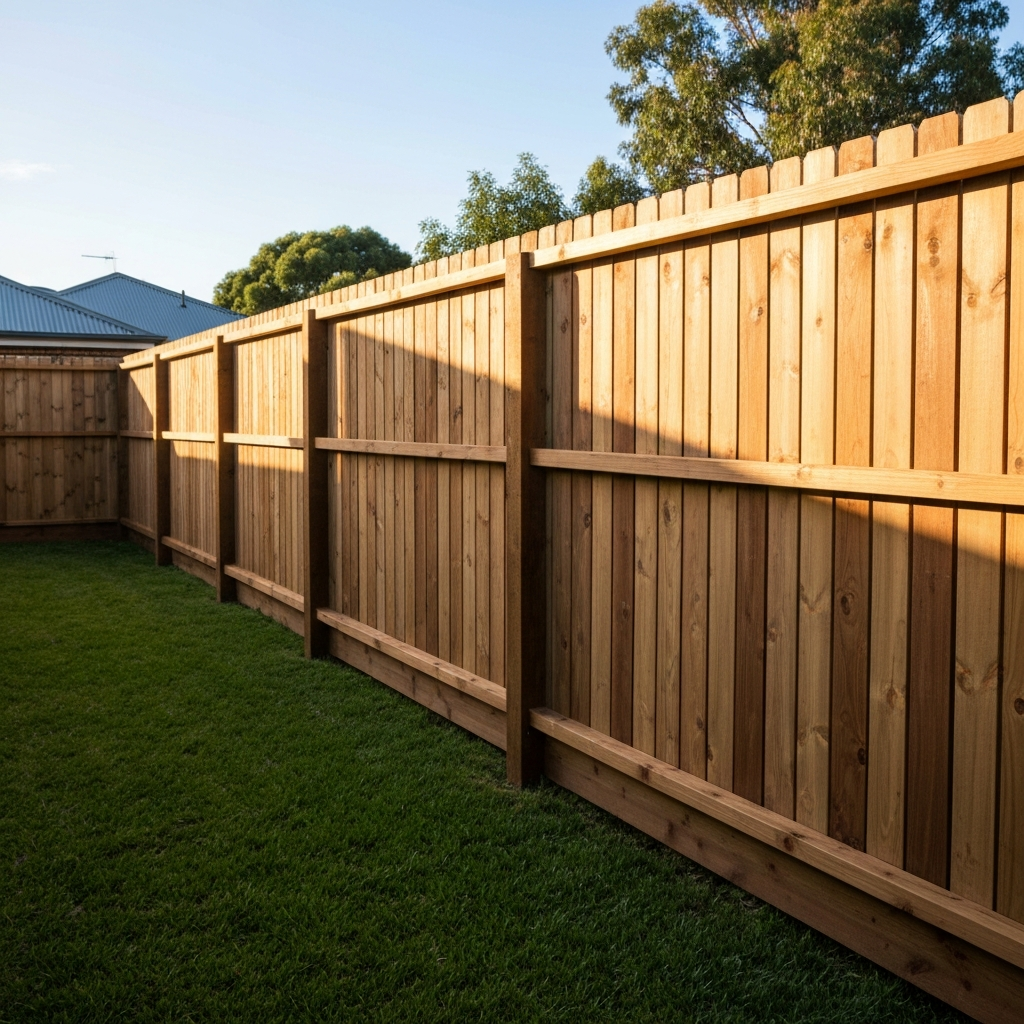
The License Refine Clarified by Specialist Fencing Contractors
Permits are not paperwork for the sake of documentation. They decide what you can build, just how close you can put it to a property line, which products qualify as risk-free, and whether your fencing stands or falls victim to a red tag and a penalty. When a city posts a stop work notice, on a daily basis lost expenses money, trust, and energy. I have actually seen property owners combat with a next-door neighbor for months over a six-inch infringement since the job skipped a survey. I have actually likewise seen an authorization authorized in three days since the submittal answered every concern the strategies examiner might ask. The distinction is not luck. It is process.
The rulebook you must read, even if you hate rules
Every jurisdiction writes its very own playbook. City ordinance, region code, and state building code all pile with each other, and your project needs to please every one of them at once. The underlying building code usually recommendations the International Residential Code and the International Building Ordinance, then layers on regional zoning regulations about height, problems, corner exposure, and materials. A historical district might tighten up those regulations again. A home owner association can tighten them further.
The pattern is foreseeable. Residential front yards frequently top fence height at 3 to 4 feet. Back and side yards usually enable 6 feet, often 7, sometimes 8, especially along hectic roads. Corner whole lots usually require a view triangle at crossways to keep motorists and pedestrians noticeable. Swimming pool obstacles need to strike certain heights, clearances, and gate self-closing requirements. Wildlife-urban user interface areas restrict flammable product. Coastal and disaster area worry about flow-through and comb. If your strategy ignores also one of these, the permit will certainly stall.
Good Fencing Contractors maintain a code library by zip code, not just by region. That sounds picky, however city limits can turn a 6-foot allocation right into a 4-foot cap on the far side of the very same road. A reliable Fencing Installer checks these information prior to quoting. By the time you see a rate, they should have already glanced at troubles, incline, easements, study records, and utility locates.
The home never ever lies, but people occasionally do
Paper plans love straight lines and square edges. Real lots wave and wiggle. Pipes zig where the original service provider discovered rock. Old fencings wander. Iron pins vanish. A neighbor's shed might sit a foot into your backyard and everybody claims not to notice.
Before any permit application, a skilled Fence builder verifies three physical truths.
First, where are the limits. A present land study settles the question. If you do not have one, some cities accept a home mortgage study or a plat map for straightforward tasks, however several will ask for a stamped border study when a fence rests near a residential property line. The expense arrays from a few hundred dollars on little city lots to more than a thousand on property or woody surface. That cost is cheaper than a lawsuit.
Second, where are the easements. Utility, water drainage, and gain access to easements usually run along back and side property lines. You can typically construct a fence throughout them, yet you can not obstruct gain access to and you have to approve that the utility can eliminate your fencing to service the line. Some jurisdictions require fences in water drainage easements to be open design, at the very least half transparent, to let water pass. Representatives in the permit office understand this and will certainly flag your plan if you pretend the easement does not exist.
Third, what lies underground. Call your energy situate service prior to you dig, not after the initial article strikes something hard. Gas lines and fiber are unforgiving. The permit reviewer may not call for evidence of locates at submittal, however examiners inquire about it and a clever Fence Installer schedules finds early, since it can take a few business days.
Plans that get stamped, the first time
Plans examiners are not attempting to be tough. They obtain a pile of applications each week. Clear drawings make quick approvals. Complicated sketches get questions. Questions add weeks.
For a standard household fencing, many cities approve a site plan, an elevation detail, and a product spec sheet. The site strategy ought to reveal the residential property outline with dimensions, your home footprint, driveways, any detached structures, the fencing course with offsets from residential or commercial property lines, and any type of gates. Include north arrowhead and scale. Mark easements. Tag street names. If there is a slope change or a maintaining wall, call it out.
The elevation information need to reveal elevation from completed grade, picket or panel spacing, and post size and embedment. If you are constructing a swimming pool obstacle, include the gate swing instructions, self-closing hinges, self-latching hardware, lock elevation, and any type of climbable attributes within 36 inches. For chain link, a 2-inch mesh is commonly needed around pools. For wood, numerous codes limit straight rails outside of a swimming pool fencing since children can climb up them.
When the fence gets high or brings a wind lots, the permit office may request for design. In coastal or high-wind areas, 6-foot privacy panels might require post spacing adjustments, deeper grounds, or heavier posts. We have actually had cities need 6-by-6 blog posts at 7-foot centers with 30-inch embedded footings for a fencing along an open ridge, where a regular neighborhood would permit 4-by-4 blog posts at 8-foot centers with 24-inch grounds. A Fencing Builder who knows neighborhood wind exposure groups can value the task to match the reality.
Commercial projects need more. The city might request for a civil website plan with grading, water drainage, and easily accessible routes, plus structural details if the fence supports sound panels or evaluating louver systems. Anticipate separate fire department testimonial if the fencing impacts fire lanes or access entrances. Automated gateways call for UL 325 certified operators and entrapment defense. You do not want to suggest this at inspection.
Timelines that stand up in the real world
Permit timelines differ more than fence designs. A small town with an over the counter desk can accept a standard household fence in a day. A midsize city frequently turns around minor licenses in 1 to 2 weeks. A metro area, or any kind of jurisdiction with historic review or coastal evaluation, can take 3 to 6 weeks. If the application touches a planning payment or design testimonial board, add another 2 to 4 weeks for public meetings and notifications. Seasonal rises issue. Springtime and very early summertime block the queue.
There are ways to compress time without cutting corners. Send a total package. Address the list that the city publishes, even if half the items really feel noticeable. Tag every sheet plainly. Usage constant measurements. If the reviewer requests for one alteration, do not suggest in unclear terms. Give a clean, corrected plan established and a short note referencing the code citation. It is remarkable just how quickly a permit relocates when the customer detects competence.
An experienced Fence Contractor establishes expectations in the contract. We define when the clock begins, what matters as a city hold-up, and exactly how we handle adjustment demands that the city enforces. When a permit workplace suddenly requires a 4-foot set back from a ditch, someone has to spend for the added straight feet and added messages. Clear language stays clear of pain feelings.

Historic districts and the art of compromise
Historic districts guard road character. That usually indicates front yard fences must match traditional range and materials. At one website in a Victorian area, the board turned down a 6-foot cedar privacy surround front, despite the fact that the next-door neighbor had a similar one built a years earlier without an authorization. The board enabled a 42-inch picket with square messages and a basic cap, and allowed a 6-foot personal privacy fence behind the front facade line of the house. We restored the front at the reduced height, stepped the side add past your house line, and got it done.
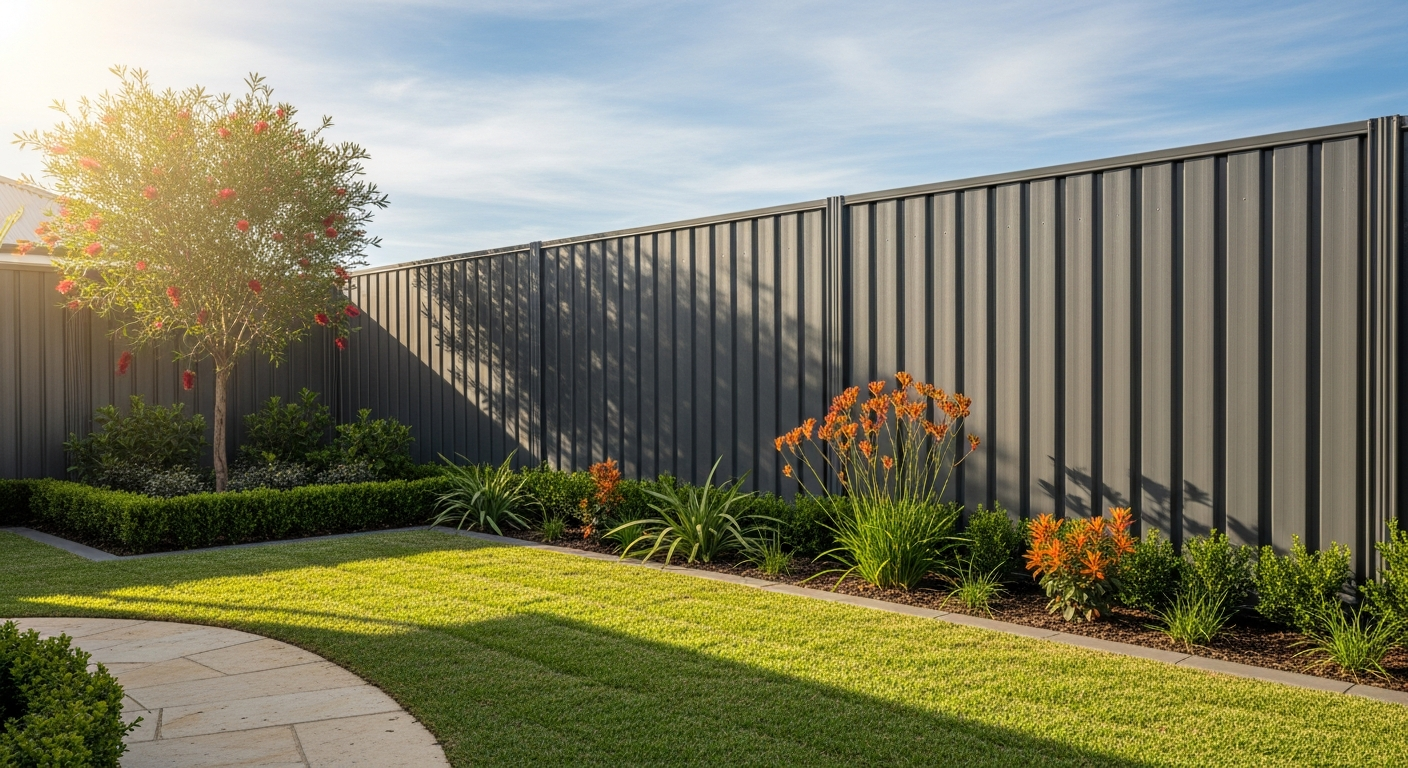
Expect to offer images of surrounding residential properties, product examples, and a narrative that connects your fence to neighborhood patterns. Light weight aluminum styled to appear like wrought iron frequently passes where modern black vinyl would not. An excellent Fencing Installer will certainly bring mockups and color chips to the hearing, not simply renderings.
Pools, pet dogs, and the kind of liability that keeps you awake
Pool barriers require precision. The space under the fencing can not surpass a stringent dimension, normally 2 inches. The lower rail placement issues if children can toe-hold and climb up. Entrance latches need to rest high enough that little hands can not reach. I have actually enjoyed assessors roll a 4-inch ball under a fencing and over picket gaps to verify conformity. They are not being dramatic. Drownings take place quietly, and codes exist for that reason.
Dog runs and kennel enclosures have their own creases. Some animal control regulations established minimal heights for units that house big types. In rental homes, some cities need protection equipment on gateways if the fenced location shares a boundary with a public pathway or alley. None of this is hard, but you need to know to ask.
Slopes, maintaining walls, and the physics you can not negotiate
Fences on inclines gather wind pressure and water. Tip the panels or rack them. There are limitations to racking, specifically with vinyl and aluminum systems. If your slope drops more than a foot over 8 feet, stepped panels often look cleaner and hold positioning far better. Preserving walls trigger a various part of the code, and a fencing atop a wall surface may be taken into consideration a guard. That modification can need a stronger blog post anchor or a special footing behind the wall surface cap.
Inspectors get worried when they see posts core-drilled right into the top of a cantilevered block wall surface without design. So do I. If you prepare to install fencing on a wall surface, bring a structural detail, not a dream. The fencing community has lots of creative area repairs. Much of them fail in the very first heavy storm.
Easements, next-door neighbors, and the diplomacy that saves money
Easements are small print made real. You can construct across much of them, yet you take the risk. We warn clients every time. If the city or energy reduces a fence to access a line, they rarely pay to reinstall. Area entrances where a backhoe can roll through if there is a drain or storm line.
Neighbors add another layer. A specialist Fence Installer calls adjacent owners early with a pleasant heads-up. If the fence rests on a shared line, local regulation may need expense sharing, notifications, or permission. In some states, a great neighbor fence with rotating boards encounters a certain way by custom-made, otherwise by code. When we fulfill next-door neighbors on website, disputes liquify. When they first see posts over the residential or commercial property line on a Saturday, they start determining with emotions.
If you presume a border disagreement, pause and order a study. A license does not settle a boundary. Cities authorize deal with your property just. If you construct 8 inches into your next-door neighbor's yard, you still developed unlawfully, even with a stamped permit.
Fees, deposits, and what the cash covers
Permit costs for domestic fences usually live in the 50 to 300 buck range. Some locations link charges to task value, others make use of level rates. Add plan check fees where suitable. Expedited review costs extra. Historic boards might charge a different application cost. If your fence includes a computerized entrance, anticipate electric permit charges as well.
Your Fence Contractor must separate license costs from build prices on the proposition. We bill a preconstruction fee to cover website measurements, basic format drawings, and the authorization application. If the city needs crafted illustrations, that cost is either quoted as an allowance or gone through at cost with a markup that we disclose. Customers value the clarity.
Inspections that matter greater than the sticker label on the authorization card
Cities differ in how they inspect fences. Some just do last examinations. Others ask for a blog post opening or footing evaluation before concrete. Pool obstacles commonly get a devoted safety assessment. Automation calls for an electrical evaluation and occasionally a fire department test for emergency access. The key is to schedule the evaluation prior to gateways go online or panels odd article embedments.
I still remember a pool project where an unskilled crew set up the gate latch at 52 inches over quality on one end and 54 on the various other as a result of slope, after that included a small step on the within for convenience. The assessor gauged to the ended up inside ground factor. That action effectively lowered the lock height to 48 inches in his sight. We had to remodel the hinge side, include an appropriate touchdown, and relocate the latch. It set you back a day and showed us a lesson concerning determining like an assessor, not like a builder.
The clever course with the permit maze
Here is the flow that functions, whether you are a home owner with tools or employing Fence Installers. Maintain it extra and ruthless.
- Verify zoning and code essentials, including elevation limitations, problems, sight triangles, swimming pool barrier guidelines, and fire or WUI restrictions for your address.
- Order an existing boundary survey if the fence rests within a foot of a building line, or if any type of next-door neighbor has actually wondered about the line.
- Map easements and utilities, routine energy situates, and stroll the line with flags to validate clearance and grade changes.
- Produce a tidy website plan and fence details, collect any HOA approvals, and submit a total authorization plan with identified sheets and product specs.
- Build to the accepted strategy, pass required inspections, and supply as-built sketches or pictures if the jurisdiction demands them.
The minimum records a strong application needs
Cities publish long lists. In practice, 5 items do the heavy lifting for the majority of property fencings. If you bring these, you cut inquiries to near zero.
- Site plan revealing property lines, home impact, fence course with measurements to lines, easements, and gateway locations.
- Elevation detail with height from finished grade, post dimension and spacing, footing deepness, and rail or panel configuration.
- Manufacturer item sheets for panels, articles, gates, and any kind of automation, with design numbers and UL listings if applicable.
- Photos of the website and streetscape, especially for edge great deals, slopes, and historic districts.
- HOA approval letter or email, if your community requires it, dated and matching the plan.
HOAs: various policies, same requirement for precision
An HOA is not a federal government, however it can still stop your job at the visual. Building guidelines frequently set height caps, required specific styles or colors, and bar certain products along frontages. They may likewise prohibit fences forward of the front structure line, even if the city allows them. Submit to the HOA first, or in parallel with the city if timelines prefer it. Inequalities in between HOA approval and city code produce turmoil. We align both before ordering materials.
Material selections through a permit lens
Wood, plastic, light weight aluminum, steel, and chain connect all pass permits when detailed appropriately. The code cares less regarding preference and more regarding safety, sightlines, and structural competence. In wildfire zones, steel or stonework near frameworks may win points with the fire marshal. Around pools, aluminum with vertical pickets and self-closing entrances earns fast approvals since it nicely solves climbability and latch elevation. If you pick timber privacy, prepare to show how you will preserve lower clearance over variable grades without leaving climbable rails on the outside.
Acoustic fencings and high displays along highways bring engineering right into play. Eight-foot wall surfaces with audio coverings need larger messages, deeper footings, and often wind screens. We have actually permitted composite systems at those elevations, however only with an engineer's stamp and a clear water drainage strategy to prevent ponding against the barrier.
Temporary fencings and events
Construction sites, festivals, and pop-ups require temporary obstacles with various guidelines. Lots of cities enable freestanding panels on weighted feet without an authorization for brief durations, but once you anchor messages right into the ground or block a right-of-way, allows return. If you close a pathway or road lane, you go into the globe of traffic control strategies and barrier criteria. A skilled Fencing Contractor coordinates with public jobs and books the barricade supplier early. The shortest timeline right here is usually the website traffic authorization, not the fence.
Winter builds, frost lines, and why inspectors tap concrete
Cold environments demand deeper grounds. Blog post holes that stop above frost deepness will certainly heave. Many codes set minimum embedment depths, frequently 24 to 36 inches, however frost lines can push much deeper. Assessors in some cases consult a rod. If they see powdered concrete sprinkled in a too-shallow hole, they might request a dig-out and re-pour. I like to bell the bottom a little bit in large clays, after that add clean gravel for drain under the ground. It sets you back pennies and repays in lasting stability.
DIY versus employing Fence builders, without the fluff
Plenty of property owners build their very own fencings. If the website is basic and the rules are clear, go for it. Just do not undervalue the admin. Authorizations, surveys, HOA approvals, energy situates, assessments, and next-door neighbor notices become a part-time work. A professional Fence Contractor does this regular. We price not just lumber and labor, but also the threat of delays and the expense of rework if a reviewer transforms the plan.
If you hire, vet your Fencing Contractors appropriately. Request instances of permitted work in your city, not simply pictures from anywhere. Ask just how they manage denials or modification demands. Listen for specifics regarding code citations and timelines. A pro speak about troubles in feet, not vibes. The most effective Fencing Builders record whatever. That documents is tiring up until you need it, and afterwards it saves your weekend.
Common mistakes that trash schedules
People attempt to save a day and shed a month. They set article holes before the authorization card prints. They trust an old fencing line as a survey. They guess at pool lock locations. They submit a screenshot of Google Maps as a site plan. They overlook corner visibility triangles and ask yourself why the city cares that motorists can see a child on a scooter.
I have likewise seen builders bury splices in articles to extend products, after that deal with a structural improvement when the assessor detects the cut. Or they pour concrete over quality around blog posts like a birdbath and trap water that rots wood from the base up. The inspector might not compose that as a code offense, yet time will. A great Fencing Installer forms concrete to drop water far from blog posts and leaves ground clearances that endure compost and sod changes.
What happens if you develop without a permit
Sometimes you can retro-permit. Often you can not. Cities can levy penalties per day of offense. They can call for developed letters for existing work, which set you back greater than drawings for organized work. A red tag eliminates the job state of mind quick. Worst situation, you remove the fence and construct again at the approved line and elevation. If you assume no one will notice, bear in mind that next-door neighbors submit issues more frequently than inspectors stroll alleys.
When a customer calls us after the red tag, we begin with a study and an honest discussion. We recover products where feasible, redesign to abide, and lug the permit via. It costs greater than doing it right the very first time, every single time.
How specialist Fencing Installers keep it smooth
The procedure looks straightforward when it is managed by people who live it. A professional Fence Installer strolls a site and sees the authorization in their head. They flag the challenging corner whole lot with a sight triangle. They find the water drainage easement by the swale lines. They review the quality and choose tipped panels over a steep run. They spec a self-closing joint that in fact self-closes after a winter months of freeze and thaw. They build for evaluation and for the following decade, not simply for the day the crew leaves.
The finest Fence Contractors preflight submittals like pilots. They inspect drawings against code, validate product compliance, coordinate HOA and city authorizations, and timetable examinations prior to the initial opening opens. They keep neighbors notified and they respond to the city with clearness and rate. That self-control is not extravagant, but it is what keeps projects on schedule and fencings standing straight.
A final word from the field
Permits are not the adversary. They are the map. When you comply with the map, you stay clear of high cliffs. Hire a Fence builder who can read it, or read it on your own with care. Procedure two times theoretically, as soon as in dust. Bring excellent drawings. Respect easements. Call prior to you dig. Ask the customer what they want to see and provide precisely that. Do those easy points and your fence will certainly relocate from concept to lumber to evaluation tag without drama.
When the last gate clicks shut and the latch sits at the best height, no one joys for the license. They cheer because the line is clear, the pet dog is secure, the swimming pool is safe and secure, and the road view looks far better than it did the other day. That is the goal. Whatever in this process should direct there. And when you partner with seasoned Fencing Contractors, the path is straighter, the surprises fewer, and the coating stronger.