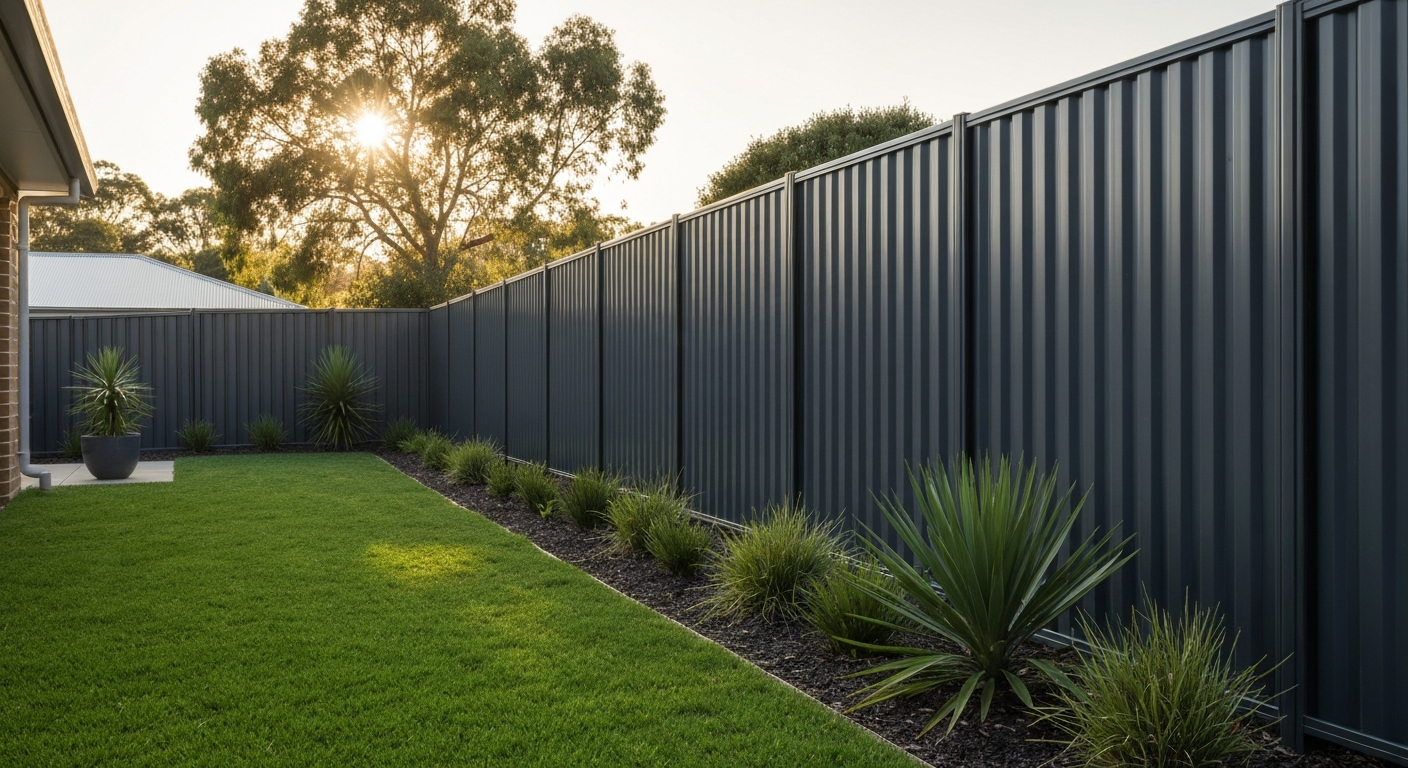
Ground Clearance Requirements: Practical Contractor Suggestions
Ground clearance is among those fencing topics that looks simple up until you're looking at a goal of steel, realizing it's resting too high, as well low, or in the wrong place for the website conditions. After that the phone call starts. The house owner would like to know why all-time low of the fence doesn't match the rest of the community. The examiner wants to know why the fencing doesn't comply. The fencing installer wants to know whose trouble it became.
If you're a fencing contractor, a fencing company, or a fencing contractor working under a bigger fence company, this is the part of the job where you win or lose based upon judgment, not guesswork. Ground clearance demands are not one universal number. They vary by town, fencing product, purpose, and also exactly how the home drains pipes after a storm.
What adheres to is the functional strategy I make use of on real installs, including just how to gauge, what to document, and where the usual mistakes come from.
What "ground clearance" really indicates on a fence job
When people say "ground clearance," they normally indicate the vertical gap in between the lower rail or fence panel edge and the finished grade. That void impacts:
- How animals and particles move under the fence
- Whether water and snow freeze at the base
- Whether mowing equipment can pass cleanly
- How the fencing searches in different elevations across a lot
Here's where specialists obtain floundered. Some websites define clearance from "existing grade," others indicate "finished grade." Some reward quality as a level airplane, others use the actual contours of the building. If you set up a fencing thinking the ground is one level number, you'll get a fencing that looks right in one area and wrong almost everywhere else.
Also, fence can be made to "comply with quality" or be "set to a consistent height." Those are different viewpoints. With a sloped lot, adhering to grade typically implies the lower void adjustments from one message bay to the next. Continuous height means the void adjustments, also, yet in the opposite direction, relying on where the fencing is anchored.
The actual chauffeur: regional codes, HOA guidelines, and item design
Ground clearance requirements usually originate from among three sources:
The difficult component is that local regulations can be particular regarding spaces, while HOA guidelines can be obscure, concentrating on appearance and "harmony." Some neighborhoods require a minimal void so air can move, others aim to restrict entrance under the fence. For pool locations, the standard discussion normally ends up being concerning obstacle honesty, but the actual language can still reference the lower clearance or the inability to pass items under the fence.
Because I can't presume your territory, the service provider relocation is always the same: confirm the need in composing prior to you set messages. Do not rely upon memory or word-of-mouth from a next-door neighbor that "had the very same issue when." In method, the distinction between "permitted" and "authorized" can be a little phrase in a neighborhood ordinance or an information in the plan review checklist.
If you're working as part of a fencing company, obtain the spec sheet and the license problem list from the office or the consumer. If you're the fencing contractor, deal with that as non-negotiable job readiness. The ground clearance discussion have to take place prior to you order products, because panel and blog post designs affect how you can fulfill the requirement.
Measuring quality the method examiners and clients expect
The most significant useful mistake I have actually seen is measurement done as soon as, early, and after that never ever revisited as site job changes grade. Throughout the course of a project, you can end up with several grades: original quality, rough grade, ended up quality, topsoil added, turf changed, and in some cases small improving around footings.
So, exactly how do you determine quality in such a way that won't get challenged?
Start by recognizing what the guideline referrals. If it references completed grade, you determine to the finished surface that exists at the time of inspection. If it references existing grade at the time of setup, you determine to the grade presently the fencing is established. If the policy is quiet and just claims "ground," you're still better off choosing a regular referral and documenting it.
On sloped lots, inspectors have a tendency to visualize the bottom of the fence in relation to the walking surface under it. That suggests you wish to determine clearance at several factors, not just at one convenient article bay.
A functional way to do this without overcomplicating the work is to pick 3 dimension points on each run: one near the low end, one near the middle, and one near the luxury. If the fencing is long or the slope is steep, add another near the steepest change.
Document those factors in a basic sketch or image set with a tape measure noticeable. If somebody later asks why the lower clearance varies, you can reveal that you prepared for the grade and mounted within the design constraints.
The trade-off everybody says regarding: looks versus compliance
Here's the problem that plays out on nearly every fencing work: clients want a tidy, even-looking profits. Codes and product demands sometimes desire a particular clearance, which can call for all-time low to damage line with the shape of the yard.
For example, in a backyard with a gentle incline, you may have the ability to keep the fence visually uniform by setting the rails to a solitary aircraft. That normally develops variable spaces under the fencing. If the demand is a minimal clearance, variable voids can still be certified, however you should guarantee the smallest gap in the run fulfills the need at its narrowest point.
If the demand is a maximum space, that's even more sensitive. Currently a consistent height fencing can still fall short if it develops a low spot where the gap becomes as well huge, or also small, relying on the guideline. Many home owners think "closer to the ground is constantly much better." That's not constantly real. Some criteria desire air movement or wish to reduce trapping, and some products call for details spacing so panels sit appropriately and don't warp or collect dampness in a way that impacts performance.
When I'm bidding as a fencing company or suggesting a fencing contractor on install planning, I'm blunt about it: the fence can be made to look attire, however not at the expenditure of fulfilling the actual clearance demand. If the lawn form makes perfect harmony impossible, I 'd rather clarify it upfront with a quick measurement sight than safeguard an unsuccessful evaluation later.
Common clearance targets by fence kind, and why you still must verify
Even though regional rules control the final number, the market has a tendency to gather around functional values based on feature. Still, you can not deal with these as guaranteed compliance without inspecting your jurisdiction.
Chain link commonly raises less aesthetic problems regarding little spaces, since the mesh and bottom stress are developed to sit in a controlled means. Personal privacy secure fencing, specifically with strong panels and lower rails, can produce more aesthetic pressure to "hide" the bottom right into the ground or keep it flush, which can contravene code language concerning objects passing under the fence.
Also, some fence systems include accessories that alter clearance habits, such as:
- Bottom tension systems on chain link
- Base rails on picket and privacy styles
- Skirting boards or trim kits
- Anti-climb expansions or privacy screens
Those parts can assist you fulfill clearance without excavating or too much grading. But you must recognize which system you're installing, since each has a different "as-built" clearance array relying on just how the messages are established and just how the base is prepared.
I'll say it clearly: the number that matters is the clearance that exists after everything is finished, consisting of landscaping adjustments. If you leave the soil soft around the article bases, anticipate settlement. If you set up right prior to sod goes in, the grade may rise. Clearance shifts are actual, and inspectors can gauge after landscaping.
Post setting and base preparation: where clearance goes wrong
If your blog posts are not established consistently, your fencing lower clearance will certainly drift even if your layout is excellent. The reason is easy: message elevation mistakes translate straight into rail altitude, which translates into clearance at the base.
On a normal task, clearance issues come from 4 sources:
First is irregular excavation deepness. If one ground rests a couple of inches lower, the entire run can droop. Secondly is irregular backfill and compaction around the base. Uncompacted backfill can resolve after a hefty rainfall. Third is rail add-on height. If you mark the top rails appropriately but neglect to confirm the lower rail or the panel seat, you can wind up with a "looks right in the beginning glimpse" circumstance that falls short measurement. Fourth is quality changes during finishing. If the customer adds topsoil after fence installment, the clearance lessens than intended, which can either be fine or a violation depending on the rule.
In technique, the easiest way to stop these concerns is to treat clearance measurement as a quality assurance action, not a last-minute check. After the posts are set and before rails or panels are set up, confirm the post elevations relative to a referral line. After that verify once more after rails are attached. Ultimately, verify after any kind of base trim or skirting is installed.
That sequence sounds like added steps, but it prevents rework. Rework on fence clearance is pricey since you're adjusting elements that might already be safeguarded, and you may need to remobilize crews.
Handling inclines without transforming your website into a patchwork
Sloped great deals require decisions. The "finest" method is whichever meets clearance needs and still allows the fencing to look intentional.
If you adhere to quality by stepping heights bay-to-bay, you'll see transforming spaces under the fence. That can be acceptable, yet just if the policy has to do with minimum clearance at all points or about a maximum space threshold.
If you maintain a constant fencing elevation, you'll see a transforming void. That's likewise appropriate in some jurisdictions, however once more it rests on whether the policy measures at the most affordable factor, the standard, or a worst-case condition.
Here's a general rule I use when discussing design choices with clients: determine exactly how you will certainly handle the worst place before you construct the rest. If the worst place is at the most affordable quality, consistent elevation might cause the maximum clearance, which could breach a maximum-gap rule. If the worst place is at the greatest grade, adhering to grade may create a minimum-gap offense if panels get too low.
A clean way to strategy is to illustration the run with three grade points and reveal what the fence bottom would certainly carry out in both techniques. Also a rough sketch with determined offsets aids customers recognize that a "wonderful line" may not be the code-compliant line.
Wildlife, debris, and drain: clearance is practical, not simply legal
Ground clearance isn't only regarding compliance. It influences whether the fence obstructs pets and whether leaves and debris gather at the base. If clearance is also limited, you can develop a particles trap. Leaves and tiny branches gather, and the base ends up being a moist zone. That can speed rust on metal, soften base locations on wood parts, and make upkeep unpleasant.
If clearance is as well vast, you can give pets a simple route under the fencing, and you might still fall short the purpose of the fence. On security-focused installs, that matters. On pet obstacle jobs, it matters a lot more. Homeowners do not desire surprises, and neither do you when callback calls show up right after install.
Drainage is the silent awesome. In a yard that ponds throughout tornados, clearance establishes whether water can pass under the fence base. As well low and water can pool behind a strong skirting edge or behind a privacy board, enhancing freeze-thaw cycles in cold environments. Too expensive and water can scour the base location, weakening message security over time.
This is why great fencing contractors plan clearance together with the water drainage reality, not simply the license language.
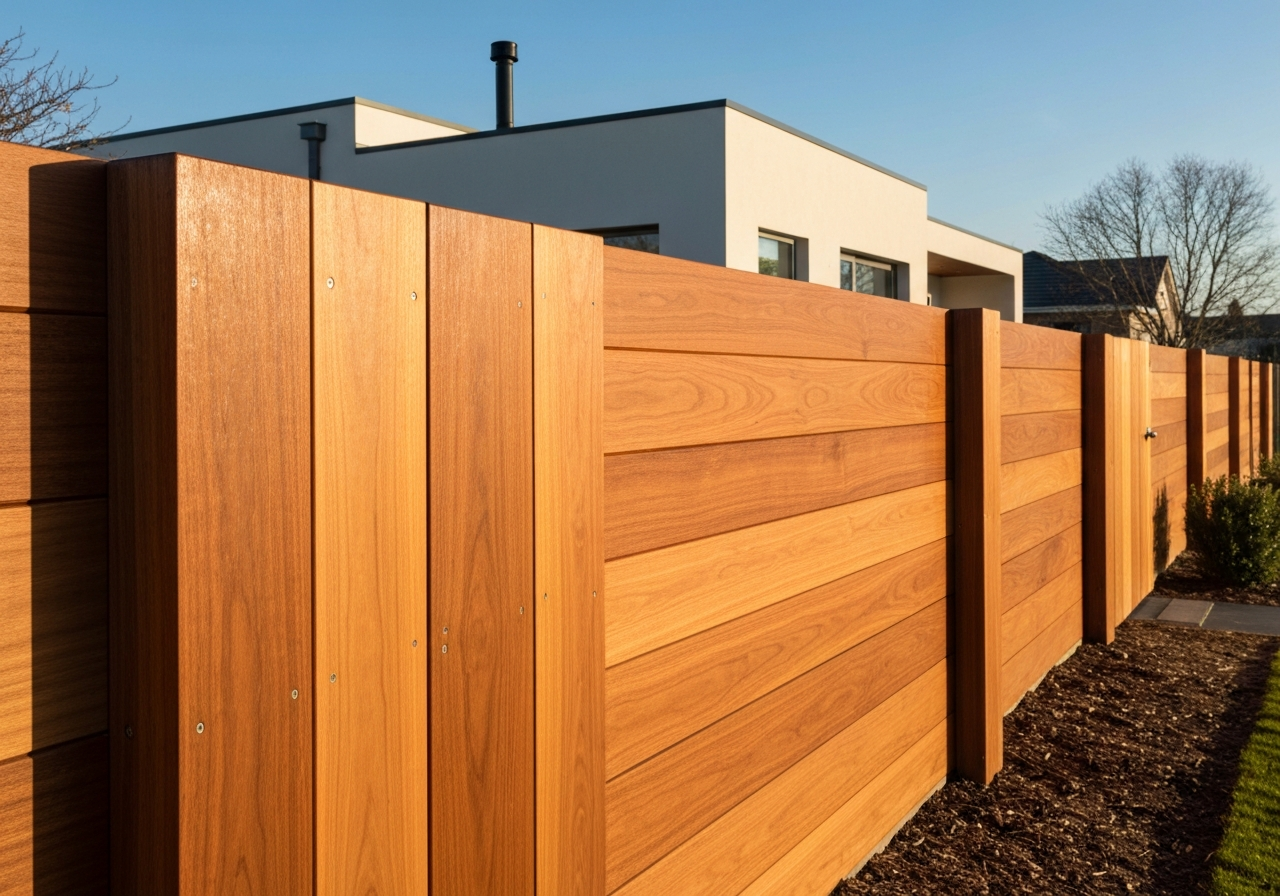
Skirting, gates, and transitions: the spots that stop working first
Even when the straight runs satisfy clearance demands, shifts can damage the policy. That consists of entrances, where hardware lifts the lower line and adjustments clearance. It consists of corners, where panels or rails meet and the alignment can shift. It includes shifts to stonework or preserving walls, where the fence base might require to be sealed.
Gate clearances should have special attention. An entrance is commonly set up on a somewhat different airplane than the fencing line, and the hinge side can work out in different ways. If the regulation has to do with clearance under the barrier, gate fit can be what gets determined at evaluation time, not the straight runs.
When you're preparing a task for a fencing company, deal with gateways as a separate clearance trouble. Plan the equipment and lower move or lower rail placement early sufficient that you're not compelled to "make it work" on set up day with concessions you can not defend.
Corners and finish posts likewise matter. If you establish end posts deeper or shallower than the interior blog posts, the bottom line can wander at the transition points. That drift could be tiny, yet clearance rules are typically examined in millimeters or inches due to the fact that they're measurable.
A service provider's checklist that really avoids callbacks
I'll include a short list. This is not suggested to replace code study. It's indicated to maintain you from missing the practical steps that cause clearance failures.
- Confirm whether the demand recommendations finished quality or existing quality, and note which basic relates to your authorization or HOA data.
- Measure grade at multiple points along each run, especially on slopes, and document the worst-case clearance circumstance.
- Verify message heights and rail or panel attachment elevations before panels are mounted, then recheck after setup.
- Plan gate equipment and lower moves early, since gateways regularly produce the tiniest or biggest clearance after modification.
- Check last clearance after landscape design or base trim is complete, because topsoil, edging, and skirting can shift the dimension.
Do those five points and you'll cut your rework price dramatically.
What to do when you uncover you're out of spec
Sometimes you uncover the issue after the fence is mostly done. Perhaps the assessor measures a point you really did not prepare for. Possibly the customer includes fill and the clearance shrinks listed below what the standard permits. Maybe your installer assumed the great deal was level and the grade adjustment at the reduced end produces an out-of-range gap.
The right fix relies on what instructions the clearance is incorrect. If you're dealing with too little clearance, you might need to raise the fence bottom, adjust rail heights, or change the skirting approach. If you have too much clearance, you might require a various base treatment, such as a properly set up bottom rail kit or skirting configuration that meets the demand without digging the fencing into soft ground.
I beware here: "dig it deeper" is seldom a lasting remedy. Digging can threaten post security, create drain issues, and leave a sloppy base that looks worse over time. A far better method is to use the fence system's intended mechanisms, like base rails, tensioning systems, or authorized skirting components designed for that material.
If you're a fencing contractor and you're currently devoted to a contract, connect quick and clearly. Program dimensions with photos. After that suggest repairs that protect structural stability, not just clearance numbers.
Choosing materials and systems that make clearance easier
This is where specialist judgment conserves time. If you understand your website is sloped, marshy, or most likely to have quality changes after installment, select a fencing system that can handle those realities.

For circumstances, a privacy fence with fixed panel bases is less flexible on irregular qualities if you need consistent clearance actions. A fence layout that supports flexible panels, regulated base rails, or skirting kits can simplify compliance.
Chain web link, as a result of its versatile nature, can typically be installed with even more controlled base stress and can better adapt to adjustments in grade. That said, lower stress systems are not magic. If the articles run out placement or if the bottom tension isn't established correctly, clearance can still drift.
When I advise a client or coordinate with a fencing company, I ask about the website's most likely future: will the yard be leveled, will sod be set up, will the customer include decorative rock, will there be recurring regrading for drainage? Ground clearance demands are easier to fulfill when you prepare for those changes from day one.
The documentation that maintains you risk-free throughout examination or disputes
If a work becomes a difference, documents becomes your finest tool. Not a hundred web page guidebook, just a few clear items.
Take pictures at crucial phases. Consist of a measuring tape in frame. If you have grade referral marks, photo those also. Keep the license and clearance requirement declaration accessible, even if it really feels tiresome. If you're collaborating with a fencing company and the workplace manages permitting, still ensure the mount crew has the pertinent demand kept in mind on the work order.
When an examiner shows up, you intend to be able to address quickly: what the requirement is, where you measured, and exactly how the installed fencing meets it at the worst-case points.
This is also beneficial for future maintenance. If you ever require to change a damaged area years later on, you'll have a record of what clearance you originally installed.
Two situations I've seen play out on real jobs
Here's just how it normally goes when ground clearance comes to be the making a decision factor.
One job included a sloped yard with a privacy fencing style that the homeowner wished to "hug the ground." The HOA language was concentrated on look and obstacle honesty, however it had not been a basic "flush is allowed" scenario. The fencing looked fantastic in the initial couple of bays, then the low edge created a clearance condition that set off a trouble throughout review. We ended up changing the bottom rail and the skirting technique so the fence maintained correct clearance without producing a debris catch. The home owner was at first unhappy since it stopped the "ideal line," however after the initial rainfall and first mowing period, they chose the ended up function.
Another job entailed an entrance change. Everything on the straight runs determined appropriately, yet eviction equipment altered the lower elevation. The smallest clearance occurred at one hinge side after the gate was changed. The option was not to hammer the equipment or improvise with ad hoc spacers. We re-set the joint side positioning and adjusted the bottom part according to the supplier's intended approach. The clearance then matched the requirement across the gate travel.
These aren't uncommon stories. They're the normal consequence of dealing with clearance as a last assessment information instead of an installment design requirement.
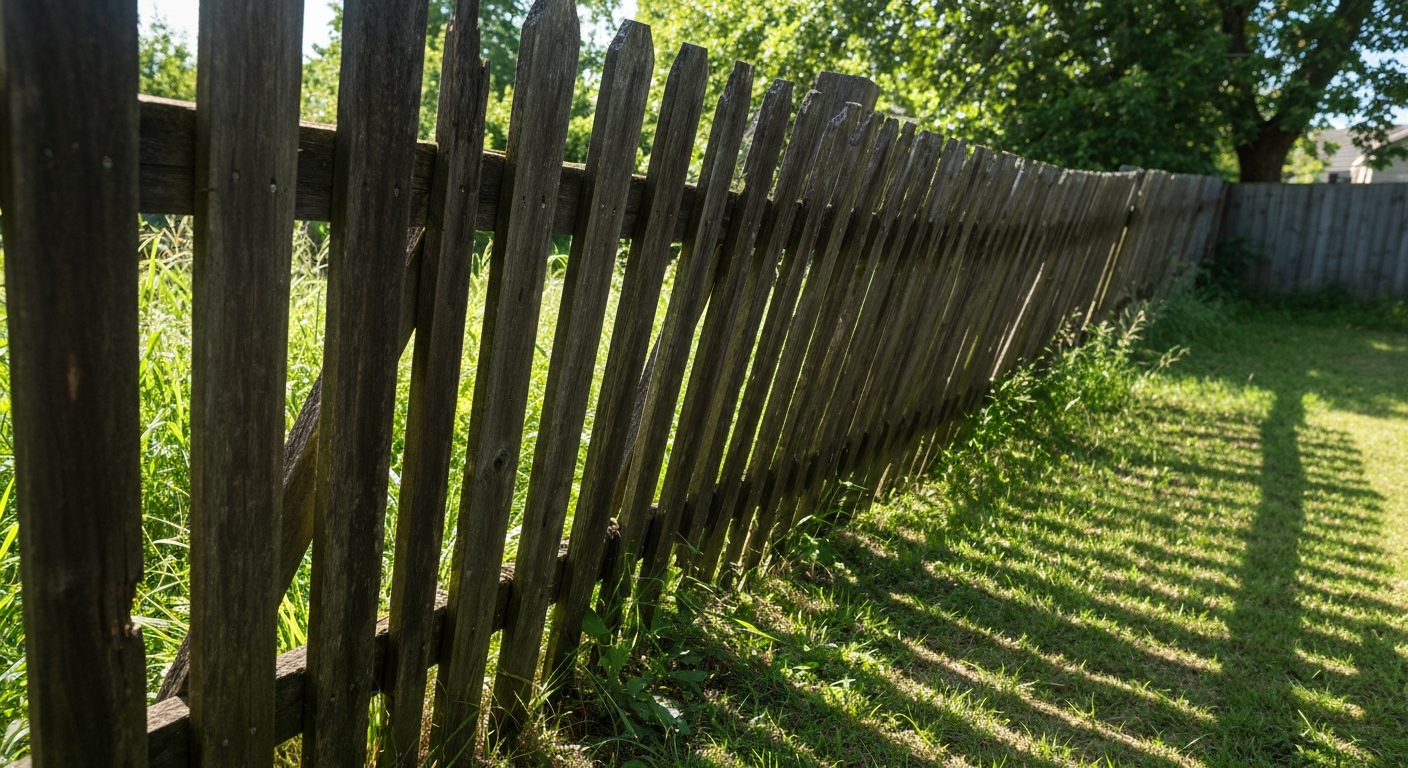
Final guidance for fencing contractors and fencing companies
If you take one thing from this, make it this: ground clearance is a system, not a single measurement. It depends upon quality, message setup, hardware, landscape design adjustments, and just how the fencing is made to act on inclines and at transitions.
Be vibrant regarding preparation. Ask for the real demand message. Action at several factors and record the worst-case circumstance. Treat entrances and changes like their own mini project. And when something changes after install, deal with clearance re-verification like maintenance, not like an afterthought.
That's just how you shield your job, your reputation, and your time, whether you're running as a fencing contractor doing installs firsthand or running a fencing company that requires constant end results throughout several crews and task sites.