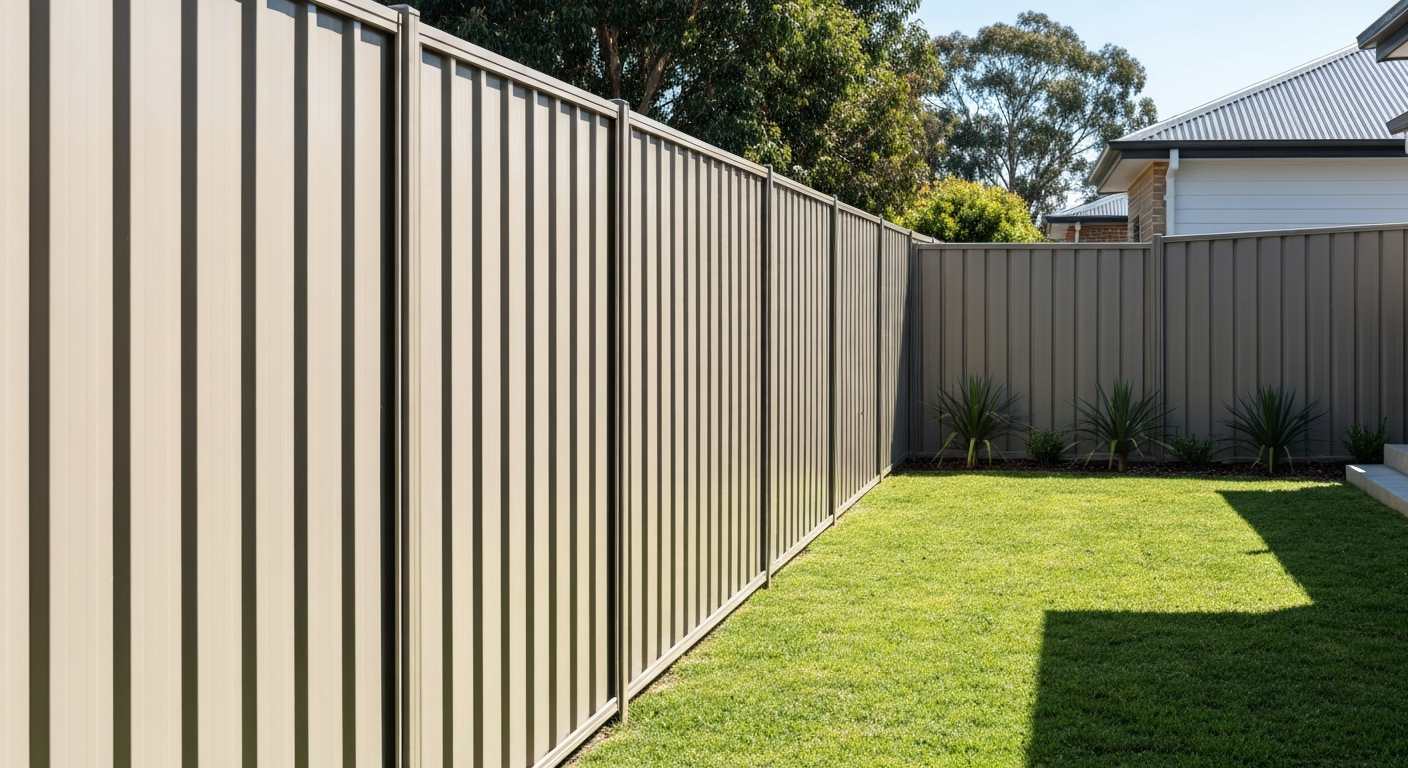
Fence Installer Advice for Coastal Deterioration Defense
Coastal air does not pleasantly sit on a fence. It claws. Salt adventures know wind, lodges in joints, and accelerates corrosion at every scrape. Include sunlight, abrasive sand, and storm surge, and you have a best corrosion lab. I have actually replaced gate hinges that seized in eight months and seen powder covered rails pit within two seasons due to the fact that someone missed a guide. If you develop or acquire fences near the ocean, you need a strategy that accounts for materials, layers, hardware, and maintenance, not just looks.
This is the field guide I desire every property owner and Fence Installer maintained in the vehicle. It is not theory. It is what stands up 5 and ten years later.
Salt, wind, and time: what actually eliminates a fence
Corrosion on the shore is a substance problem. Chlorides breach safety movies on steel and aluminum. Fine salt deposits sit in tight gaps where they remain wet long after the rest of the fence dries out. Sunlight bakes finishings until they embrittle and trend. Wind-blown sand brightens away leading layers. If the site is near a swimming pool, chlorinated dash includes another electrolyte. If the fencing belongs to a bonded pool barrier, electric grounding and bonding can create roaming current pathways that battle your coatings.
Distance from the coastline matters. Within about a quarter mile, salt deposition is steady, and stainless can show tea discoloration in weeks otherwise maintained. Bent on a mile or more, danger drops however does not disappear, particularly on windward direct exposures and hills. Inside marinas or on dune lines, think the most awful category.
Design, not simply metal, sets the standard for survival. Flat ledges that catch spray, unsealed tube ends, and limited lap joints will fail very early no matter what alloy you pick. Great Fencing Contractors style for water drainage and clean rinsing initially, after that select materials.
Metals that stand a chance
Different metals stop working in various methods. Knowing where they damage assists you decide what to invest in and what to avoid.
Hot-dip galvanized steel
Steel is strong, rigid, and economical. In seaside work, the only steel that makes sense is hot-dip galvanized after construction. Not pre-galvanized strip, and not slim electro-galv. After-fab hot dip layers welds, edges, and cut sides. A normal high quality hot-dip job yields a zinc layer in the series of a couple of mils, which is thick sufficient to matter. Duplexing that zinc with a suitable primer and topcoat frequently triples life compared with paint or galvanizing alone.
Watch for 2 weak points. First, reduced edges and field pierced openings need to be secured with a zinc-rich touch-up. Second, gap corrosion at bolted joints will certainly creep under coverings if the joint traps dampness. Usage slotted weeps, non-absorbent gaskets, and seal spaces where it makes good sense, while still providing paths for water to exit.
Aluminum
Aluminum stands up to red rust, yet it matches boldy in chloride environments, especially where different metals touch. Powder coated light weight aluminum rail and picket systems make it through well when the covering continues to be intact and the style avoids bolt factors that cut through the movie. You have to isolate stainless screws from bare light weight aluminum with nylon washing machines or a correct coating pile. If you avoid the isolation, the area around the fastener head comes to be a battery and pits out.
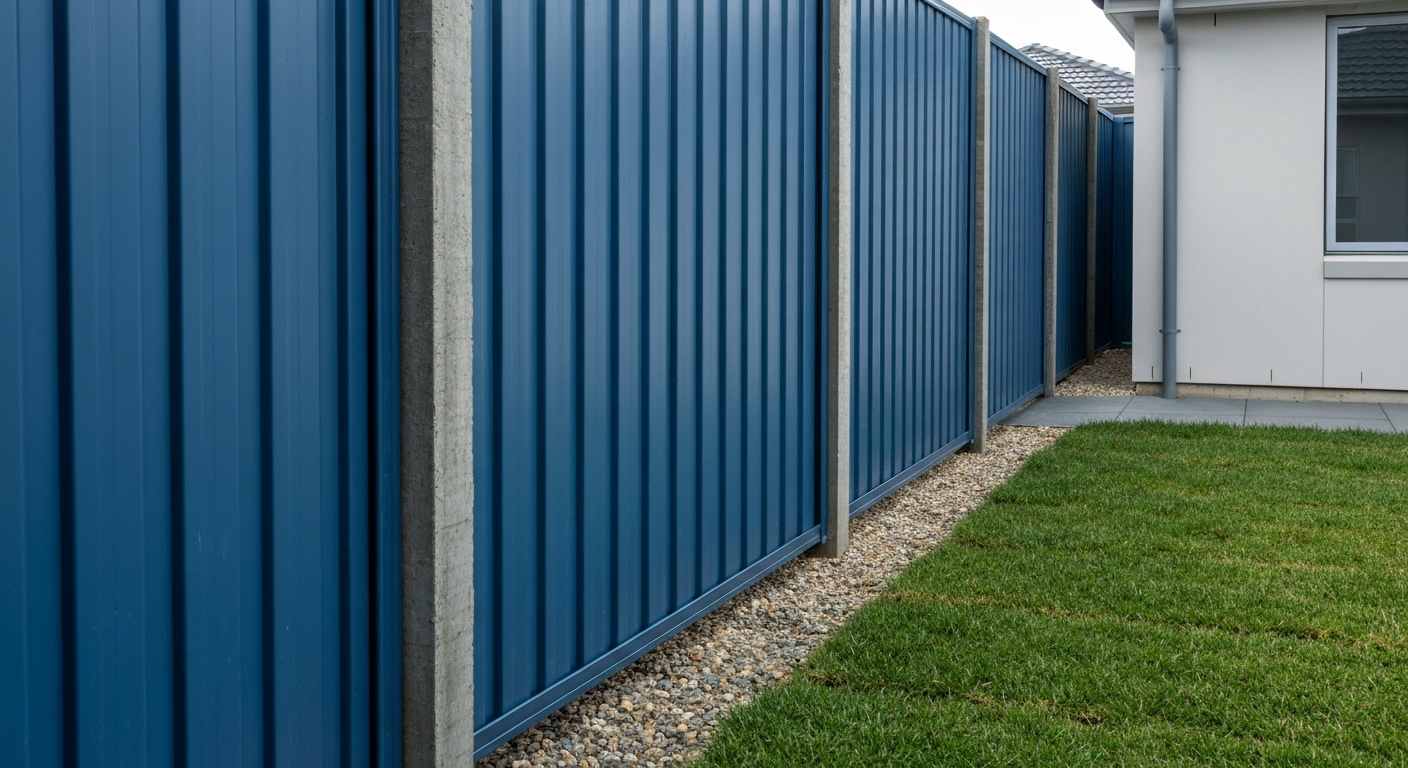
For gates and big spans, oversize the section to deal with wind flex. Light weight aluminum can grow and diminish in warmth, so long runs require expansion joints to maintain coverings from cracking.
Stainless steel
Stainless is not a magic shield. On the shore, 304 will certainly tea stain and match unless you wash and passivate it. Use 316 for hinges, locks, cords, and architectural fasteners. If the budget permits, electropolished 316 on revealed equipment cuts upkeep substantially by smoothing the surface and getting rid of impurities from manufacture. Prevent 410 stainless self-drillers for coastal work. They pierce terrific yet rust early. For the rare job that demands severe toughness, duplex stainless grades use high toughness and much better chloride resistance, but you will certainly feel it in the budget plan and in lead time.
Vinyl and composites
Vinyl will certainly not rust, however it stops working in other means. Affordable formulas chalk, split, and warp under UV and heat. Quality plastic uses titanium dioxide for UV security and thicker walls, and it should come with a coastal guarantee that does not hide exemptions. Usage stainless or coated light weight aluminum supports within long rails to decrease sag. Seal cut ends and cap posts to quit salt haze from migrating right into hollow sections and condensing.
Composite boards for privacy screens stand up to rot, yet the surprise fasteners and assistance frameworks become the weak spot. Pair compounds with 316 fasteners and a hot-dip or aluminum frame, not bare coated steel. Leave expansion spaces and pick lighter shades to maintain heat down on sun-baked runs.
Wood that wins more than it loses
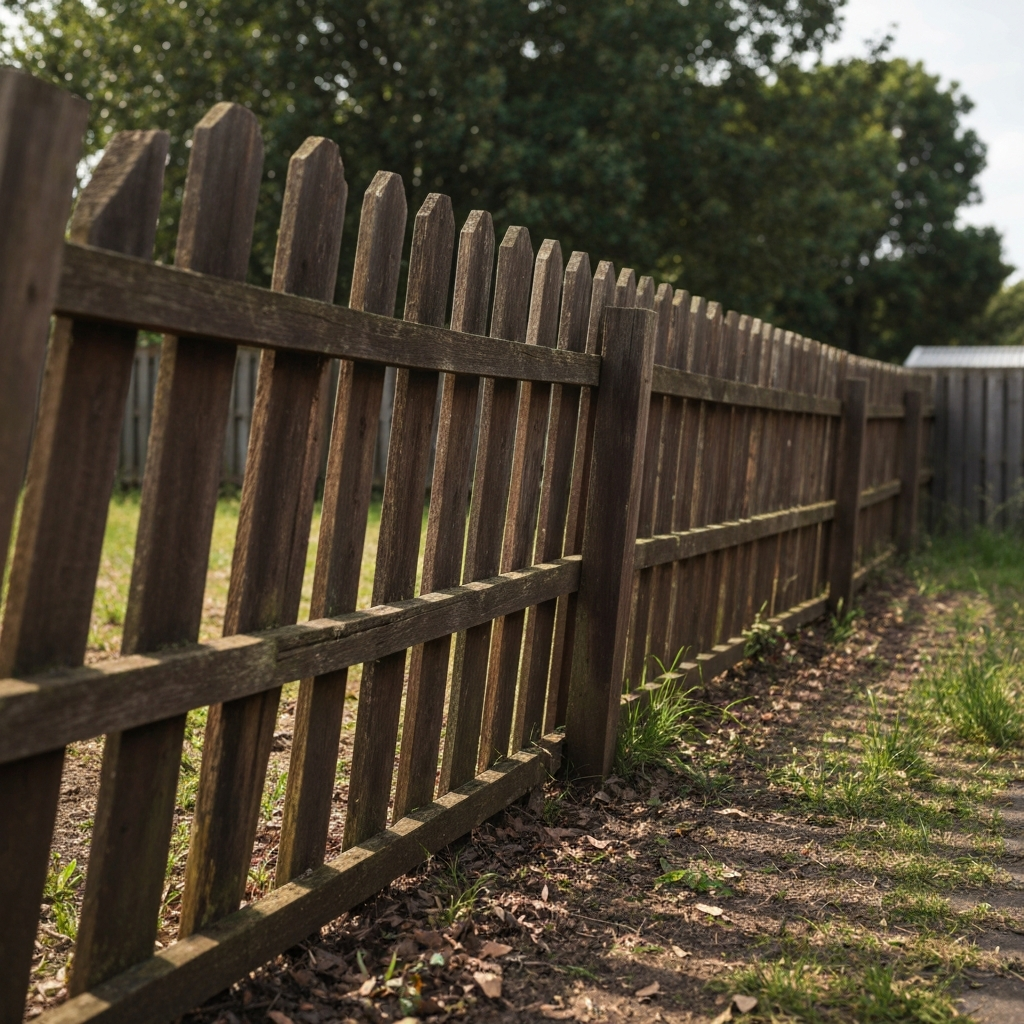
Wood on the coast can be honest and lovely, however you have to approve the maintenance. Western red cedar and redwood succeed over grade as a result of their natural oils. At ground call, usage stress treated lumber rated for serious service, not simply common ground contact. Try to find UC4B scores when posts sit in soil near to briny water. ACQ preservatives can strike common steel bolts, so set treated blog posts with hot-dip galvanized or 316 stainless screws and bolts. Sleeve the vital ground line area with an obstacle cover to avoid the usual collar rot right where blog posts fulfill air.
Oil-based passing through finishes stand up better than film-forming paints in salt air. They weather with dignity and are easier to refresh. Plan on re-coating cycles of 12 to 24 months on windward faces.
Hardware is not a footnote
Hinges, locks, screws, tensioners, and brackets often choose whether a fence still operates in year three. A gate can hang real on a strong structure and still be ineffective if the joint pin galls or the latch jams with salt crust. Select 316 stainless or marine grade light weight aluminum hardware. Usage nylon or acetal bushings on hinge pins to reduce friction and block crevice deterioration. If a gliding gateway operate on rollers, specify sealed bearings, not secured. Oil with a marine grade lubricating substance rated for water washout.
Fastener specifics matter. Use A4 (316) screws and bolts whenever they will see salt spray or condensation. If you need self exploration efficiency right into steel, search for bi-metal 316 screws with a carbon steel drill tip welded to a stainless shank, then seal the head with a neoprene washing machine. Stay clear of mixing carbon steel anchors with stainless components without an isolator. For masonry anchors near tidal zones, pick 316 development anchors or premium quality composite supports with 316 studs.
Get the foundation information right at the ground line
Ground line is where fencings usually fall short. Water accumulates where message fulfills dirt, salts concentrate as wetness vaporizes, and oxygen is bountiful. Concrete collars assist support articles, but they can imitate a bucket that holds dampness. For steel posts, established the blog post in concrete with a crown that sheds water away, and secure the top of television with a welded cap or a mechanical cap bedded in sealer. Pierce weep openings over quality to allow condensation out of hollow areas. For wood, consider a gravel or open-graded stone bed at the base of the hole to urge drainage listed below the concrete collar and keep the wet line lower.
Use a concrete mix that matches the direct exposure. A 3,500 to 4,500 psi blend with low water web content does well in sprinkle areas. Fiber reinforcement cuts contraction cracking. In freeze-thaw locations, air entrainment becomes essential on subjected footings. On work within view of breaking browse, I favor epoxy covered or non-metallic rebar cages for huge entrance grounds, since chlorides can attack ingrained steel via hairline cracks over time.
Design to lose salt, not catch it
You can see the difference 3 years in. Fences that last do three points well: they maintain water moving, they restrict crevices, and they avoid unneeded different steel contact.
- Profile elements so that straight faces tip somewhat to lose water. A rail that pitches a couple of degrees sheds salt crystals instead of turning into a ledge.
- Space pickets off rails with non-absorbent washers so you do not develop a pressed salt trap at every call point.
- Vent all shut areas. A tiny weep at the reduced end of an aluminum rail goes a lengthy way.
- Cap every blog post. An open post is a salt smokeshaft that feeds rust from the inside.
- Keep the design open where wind loads are fierce. Strong fences imitate sails and over-stress messages and links throughout storms.
That is a whole lot to remember in the area, and it is where a seasoned Fence builder gains their keep. Fencing Contractors who survive the shore discover to identify the dust pockets and drip paths on paper prior to anything obtains cut.
Coatings that actually work
Paint is a system, not a color. For steel, one of the most resilient coastal stack is a duplex system. Begin with a proper hot-dip galvanizing after fabrication. After the zinc treatments, lightly sweep blast to promote bond, after that use a zinc-rich epoxy guide and a UV stable overcoat, frequently a polyester powder or a fluoropolymer fluid finish. The guide bridges micro-pores and gives your topcoat a foundation that tolerates flex. The outcome outlives either finishing utilized alone, with slower underfilm corrosion if a chip reveals steel.
For light weight aluminum, the best method is a chromate-free conversion coat, after that a guide approved by the powder producer, followed by a polyester powder overcoat with a seaside service warranty. If you do not see a prep line that includes cleansing, etching, conversion, and deionized rinses, be doubtful. Area touch-ups should make use of the producer's suitable system, not an equipment shop spray that will chalk in a summer.
Stainless can be ended up mechanically or chemically for far better chloride resistance. After manufacture and welding, insist on pickling and passivation to eliminate iron contamination. Electropolish on hardware and cord systems takes it a step further. The smoother the surface, the much less there is for salt to lodge on.
Vinyl benefits from thicker walls and UV packages. Look for accounts that provide grams per square meter of UV stabilizer or an equal efficiency case, and ask exactly how coastal distance affects the coating service warranty. Some brand names quietly reduced their protection within a couple of hundred lawns of salt water.
Mind the galvanic couples
Mixing metals without insulation comes back to bite you on the coastline. If a stainless screw attacks into a bare light weight aluminum rail, the call zone becomes a galvanic pair in salt wetness. The more rare-earth element, stainless, takes electrons and the light weight aluminum pits around the fastener.
Use the appropriate combinations and physical obstacles:
- Stainless combined to light weight aluminum requires isolators: nylon washing machines, sleeves, or a quality shielding paste.
- Aluminum to steel benefits from a durable layer on the steel side, plus a separating gasket where components mate.
- Dissimilar bolts on one joint cause existing courses. Keep equipment consistent product where feasible.
Fence Installers who lug isolation sets with nylon shims, gasket tape, and compatible sealers save call-backs. It is not unique. It is simply discipline.
Chain web link on the seafront is its own animal
Chain web link stands up well near the ocean if you pick the ideal specification. Aluminized chain web link wire stands up to red corrosion much better than basic galvanizing in lots of aquatic direct exposures. If you select galvanized, go with heavier zinc coatings and consider PVC covered textile over a galvanized core for long runs near browse. A top quality PVC jacket in the area of ten mils secures the core from salt, and it dampens glow. Usage 316 stainless ties and light weight aluminum or stainless fittings. Fence messages must be hot-dip galvanized after construction, with caps secured on. Where security matters and the fencing will certainly be climbed, check that any included razor wire or outriggers make use of compatible finishes, or else you develop very early rust points that discolor the mesh.
Gates fail initially, so overbuild them
An entrance focuses weight, motion, and wind load at two joint factors. On the shore, add salt and you have a joint death penalty without planning. Use larger joint pins with bushings that dropped water. Orient pivots so the grease point encounters out and remains cleanable. For swing gateways, consider strong lower rails that do not act like troughs, or include drainpipe slots. On cantilever and slide gateways, specify sealed stainless bearings, a confined track, and drip edges that maintain the track from packing with salt and grit. Support plates and grounds need to be sized for gust tons. I have seen a six foot privacy entrance go from plumb to scrubing just from a nor'easter gust bending the joint posts.
Power operators near the shore need weatherproof control boxes with desiccant and drains pipes, and stainless or powder coated housings. Avenue penetrations need closed glands, not open kos that inhale salt fog.
The upkeep rhythm that maintains you ahead
Even the best-built seaside fencing requires treatment. Most failure timelines map back to overlook as opposed to product option. An easy, regular routine obstructs most of the damage.
- Rinse with fresh water. Within a quarter mile of surf, tube off metalwork weekly in completely dry periods and after tornado occasions. Out to a mile or 2, regular monthly rinses assist. Focus on joints and sheltered undersides.
- Inspect fasteners and equipment every 6 months. Search for tea staining, blistering paint, and loosened anchors. Touch up chips with a zinc-rich primer and the matching topcoat.
- Clear dirt and mulch far from the ground line. Keep 2 inches of clearance so the bottom rails and blog post bases can dry. Regrade mulch lines that creep up over the season.
- Lubricate joints and moving parts with a marine quality grease or completely dry movie lubricating substance as specified by the producer. Clean away old, infected grease first.
- Wash vinyl and powder coated surface areas with a moderate detergent twice a year to eliminate salt and gunk that bake in and attack finishes.
This is not made complex, but it corresponds. Property managers that put rinsing and inspection on the calendar conserve whole fence lines that would certainly otherwise chalk and pit out.
What it sets you back to do it right
Upfront, anticipate a seaside specification to add 10 to 35 percent compared to a standard inland build, depending on material. Hot-dip galvanized and double covered steel costs greater than painted steel, and 316 stainless hardware brings a premium over zinc layered. Quality vinyl with a strong UV plan costs greater than budget plan profiles. You gain that back in less substitutes and much less emergency labor.
I tend to mount it in years, not dollars. On a salt-blasted headland, a light powder coat over pre-galv steel may look penalty at set up, bubble by year 2, and need panel replacements by years three to 5. A duplex system offers you a realistic eight to fifteen years prior to you prepare a full recoat, with little touch-ups as required. Stainless equipment can last a years or even more with rinsing. Vinyl of the ideal grade holds color and shape for ten years or even more, if you keep it clean and prevent warmth traps.
Read service warranties. Many makers shrink coverage near the shore or exclude it unless you sign up the task and comply with an upkeep timetable. A trustworthy Fencing Contractor will stroll you with those provisions so you know what is covered and what gets on you.
Upgrades for extreme sites
Some residential properties being in a consistent salt haze. Believe oceanfront pools, marina borders, and pier accessibility. In those locations, standard ideal practice might not be enough.
- For steel structures, think about an extra intermediate layer, such as a high construct epoxy under the UV overcoat, to add barrier thickness.
- On stainless cord rail systems within a stone's toss of surf, budget for electropolished 316 and regular monthly rinsing. Give a tube bib near the rails so the maintenance actually happens.
- For timber messages, use barrier sleeves that prolong from listed below quality to a number of inches above, heat-shrunk and secured, to stop the timeless ground line rot band.
- For light weight aluminum systems with stainless equipment, boost isolation measures and define manufacturing facility applied isolator patches or pre-installed bushings at every bolt point.
- In marinas, I have periodically fitted sacrificial zinc anodes to huge exposed steel gateways where they rest over brackish water. It is a niche action and only reasonable if you can preserve the anodes, but it can slow down pitting on unavoidably subjected steel.
These upgrades have to do with acquiring margin where you know misuse is constant.
What seasoned installers look for before bidding
Fence Installers with salt in their boots do a couple of quiet points throughout the website check out that make or break the task later on. They taste the air, yes, but they additionally read the information. Wind direction history matters greater than a map span. A house on a leeward lane two blocks from the sea can be lower danger than a dune-front patio protected behind glass but open up to onshore spray bursts. They check for swimming pool devices discharging chlorinated condensate within 10 feet of a suggested gate. They note sprinkler heads that will certainly blow out a fence with redeemed water. They look at dirt kind, since clay holds damp and sand drains quickly, which transforms blog post information. Good Fence builders likewise ask about pet dogs, due to the fact that dog pee will attack some coatings at the base of metal posts.
Fencing Specialists that do coastal work all season lug saves: nylon washing machines, neoprene-backed stainless rivets, zinc-rich guide, and sea-salt risk-free cleaners. They know which distributor's powder line provides constant bond over galvanizing, and they maintain a short list of joints that have actually not taken on them.
A couple of honest trade-offs
There is no complimentary on the water. Duplex coated steel looks crisp and brings huge periods, yet it ultimately chips and needs recoating. Aluminum avoids red corrosion and takes elaborate accounts, yet it needs mindful seclusion and can dent. Stainless hardware lasts, however it is more expensive and still gain from rinsing. Vinyl shakes off salt, yet if you want a deep dark shade completely sun, warmth motion ends up being an issue. Timber looks exactly on several coastal homes, and with the right species and completes it can mature gracefully, but you must accept a standing date with a brush and a bucket.
As a Fencing Installer, I guide customers to a stack that matches exactly how they live and keep their residential or commercial property. Coastline leasing with hefty usage and marginal upkeep resistance? Go aluminum with a robust coating, stainless hardware, and open styles that can be rinsed swiftly. Personal home with a caretaker and a need for crisp lines? Duplex covered steel with scheduled rinses and touch-ups. Historic cottage that needs warmth? Cedar rails and pickets above quality, dealt with blog posts with obstacle sleeves, and stainless fasteners, plus a breathable oil coating and a consistent maintenance plan.
Finding the best pro for the job
Not all Fence Contractors recognize coastal specifics. When you veterinarian a Fencing Contractor, ask to see three tasks they built within a mile of the water, installed at least 2 years earlier. Look carefully at the hardware and the underside of rails in the photos. Ask them exactly how they isolate stainless from aluminum. See if they bring zinc-rich primer in the vehicle. If they talk quickly regarding hot-dip after construction, passivation, article caps, and drain details, you are on the appropriate track. If they gloss over those factors, maintain looking.
Fence building contractors who do this well will not be the cheapest bid. They will, nevertheless, stand in front of your fence 3 years later without justifications. Fencing Builders that live near the coast and tie their credibility to what makes it through have earned their premium.
The brief version you can act on
If you just remember 5 points, make it these:
- Design to drain. Suggestion horizontal faces, air vent tubes, and cap posts.
- Choose materials for salt: hot-dip plus guide and topcoat for steel, or quality powder coated aluminum with isolation, plus 316 hardware.
- Keep steels from touching without insulation when they differ.
- Build solid at the ground line with excellent drainage and safety sleeves or crowns.
- Rinse and examine on a routine you in fact follow.
Coastal fencings do not have to be disposable. With the best pile of selections, a sharp Fence Installer, and a tube routine, your fence can take on salt, sunlight, and storms for many years, not seasons.