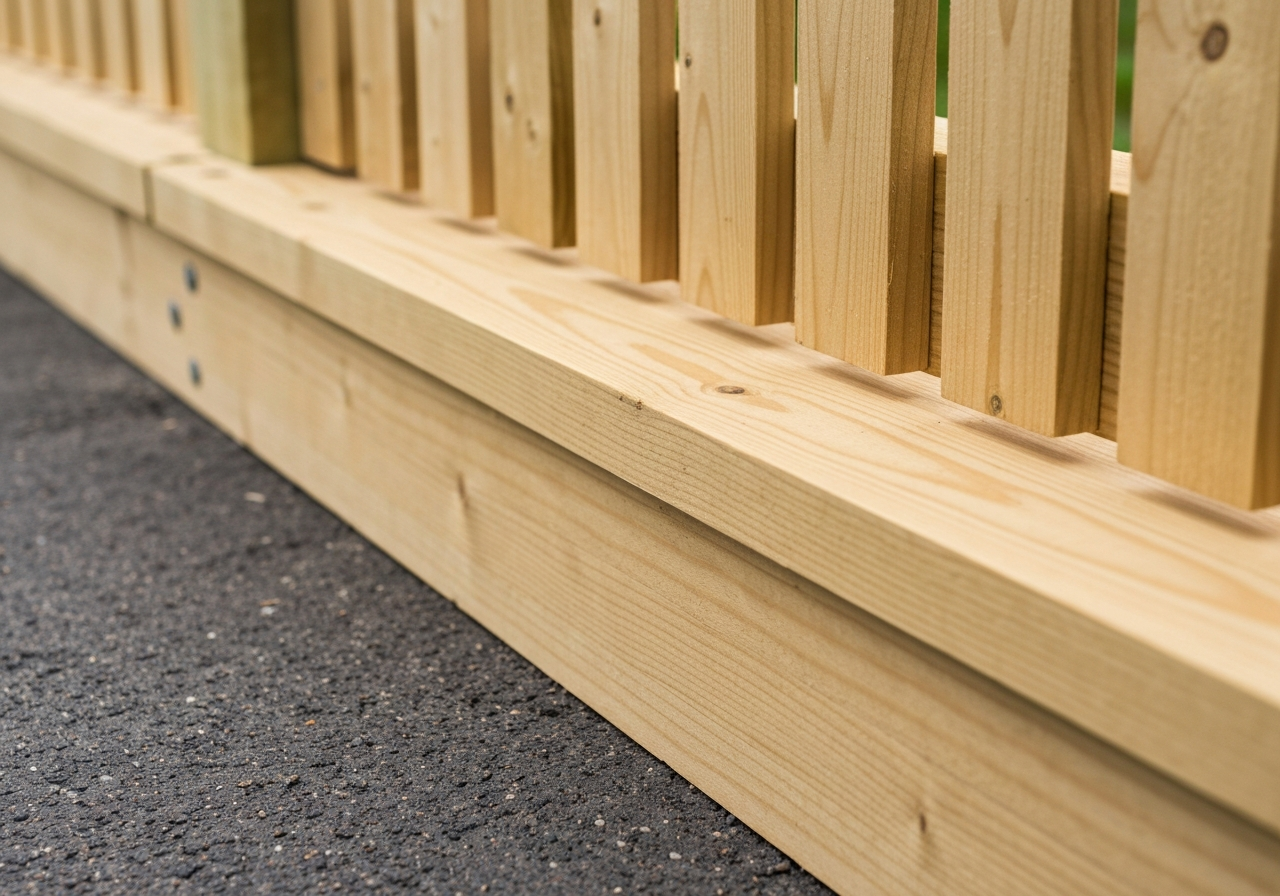
Exactly How to stop Fence Drooping: Professional Methods
Fence sagging is the kind of issue property owners notice on a daily basis and specialists discover every period. It begins little, a small droop in between posts, an entrance that drags out the pavement, a picket that looks worn out. Then, if it's laid off, the fence starts acting like a large lever in the wind. The entire run obtains larger, the gaps expand, and repairs get extra costly because you end up replacing components you might have protected early.
I'm not talking about expensive methods that just look great in photos. I'm talking about the unglamorous decisions fencing contractors make prior to the very first hole is dug: blog post type, message spacing, correct embedment, actual supporting, proper equipment, and setup techniques that hold up under damp soil, freeze-thaw, and day-to-day use.
Below are the specialist strategies I rely on to prevent fence sagging before it starts, plus the failing factors that silently cause it.
What "drooping" usually indicates in the field
People call it sagging, however it can turn up in different ways. Sometimes it's the entire panel dropping a little. Often it's the pickets deforming and the rails shedding straightness. Often it's a gate drooping on one joint side, which makes the lock miss out on also when everything else looks okay.
From a contractor's perspective, these issues share a source: the fence framework is not moving tons the way it should, and the posts or rails aren't staying in a stable geometry over time.
If you want one practical psychological model, think of the fence like a collection of beams sustained by blog posts. Every gust of wind pushes, every person leans on it, and dampness modifications dirt strength around the base. If the article activity is small yet continuous, the rails comply with. That's how a fencing that looks "fine" for a year can turn into a noticeably out-of-line fence 2 years later.
Start with article choice, not "far better timber later"
A lot of fencing drooping starts before installment ever touches the ground. The article needs to do 2 tasks: resist bending and resist activity at the base. If the material or design can not deal with those jobs, you can support it flawlessly on the first day and still see droop later.
Wood posts: treat them like structural members
Pressure-treated wood is common, but not all dealt with supply executes the same way in the real world. Professionals have a tendency to seek messages that are straight, attire, and ranked for ground get in touch with. The straightness issues since a message that's already bowed will telegraph droop also if rails are mounted tight.
The sizing matters too. Larger articles decrease deflection. I'll frequently spec larger messages for long terms and for areas that catch wind. Smaller articles may operate in calm backyards, however when the fence is revealed, the bending tons accumulate faster than house owners expect.
Metal articles: more powerful, yet not automatically "sag-proof"
Many fence company mounts usage steel messages since they withstand rot. However sagging can still happen if the article is under-set, the connection details are incorrect, or the spacing is too wide. Steel articles require appropriate anchoring and equipment that can manage long-lasting vibration and expansion.
Also, deterioration and drain issue. If water rests trapped around connections, you can obtain loosened up hardware, which becomes the weak spot. A sagging pattern that appears only in specific seasons typically indicates moisture monitoring, not just strength.
Embedment depth and the soil reality
Contractors don't set articles based upon a single number. They set them based on soil condition, frost deepness, and just how the ground acts after rain.
A post embedment that's also shallow is a timeless chauffeur of droop. The blog post moves slightly as soil saturates, after that ices up, after that defrosts. Also if the fencing looks secure during completely dry weeks, duplicated wetting and drying out can loosen the surrounding dirt and lower support.
If you're in a freeze-thaw climate, you need to respect frost factors to consider. A professional may adhere to local support for depth, however the genuine factor is this: embedment has to maintain the blog post supported where movement can begin. For lots of locations, much deeper is much more secure, and "adequate" can develop into "why is it drooping once again?"
Post setup technique beats "simply dig a hole"
It's not only deepness. The way the hole is ready impacts stability. An untidy hole, fell down wall surfaces, and uneven backfill can produce a message that clears up unevenly.
Good installments typically include:
- A regular opening dimension for the post.
- Backfill that's compacted properly.
- Drainage reasoning, so water does not rest as a weak layer around the base.
If backfill is loose or not compressed, the blog post will work itself gradually into the dirt. With time, the rails shed placement, and droop becomes visible.
Spacing and panel style: stop extending the frame
Many fencing sags are truly rail deflection issues. If blog posts are as well much apart for the fencing height and the rail framework, the rails and intermediate participants bend under wind and loading. That flexing then develops a "sag line" across the fence.
Contractors manage this by matching spacing to:
- fence height
- rail thickness and number of rails
- picket and board stiffness
- exposure to wind
Long, continuous runs in open areas typically require better post spacing or stronger rail systems. A fence company could use typical spacing for cost and rate, yet experienced specialists change on website. They're believing, "Where will the wind hit hardest? Where will a person lean? Where do we require much more posts to maintain the geometry rigid?"
Bracing: the distinction between "standing" and "staying straight"
Temporary building and construction supporting isn't the entire tale. The objective is that the fencing frame remains in line while tons are used, both during installment and after the fencing is built.
Contractors often add irreversible supporting at ends and corners, and they strengthen sections that have gateways or high exposure. Without end supporting, the fence can "rack," suggesting it moves side to side under side forces. Racking develops sag patterns that look like the fencing is dropping in between articles, but the system is the structure moving in shear.
End messages and edges are the support points
If you desire a sag-resistant fencing, don't deal with end messages like regular posts. They're working harder. A proper end message mount consists of bracing, proper embedment, and hardware that keeps the top and railway from drifting.
In functional terms, numerous specialists use even more durable messages, much heavier rail links, or angled bracing at the ends. This is specifically important for long runs. Every foot of unbraced run is an opportunity for the line to "loosen up" over time.
Hardware and add-on information that prevent rail creep
You can construct a fencing frame that looks tight when it's new and still have it loosen up later. Sagging usually increases when ports allow activity under cyclic loading. Wind and vibration repeatedly flex the rail joints. Over months, that micro-movement ends up being measurable.
Use the right bolts, the ideal spacing
Fasteners require to withstand corrosion and preserve securing pressure. Contractors prevent mismatched products when possible. For instance, using equipment that responds in a damp atmosphere can loosen up and weaken before the wood even reveals obvious rot.
Fastener positioning matters also. If screws are as well close to board ends, timber can split. If they're also sparse, the rail can shift. If the connection isn't tight at setup, the fencing will "find" a loosened up position, and sag comes to be the noticeable symptom.
Don't allowed rails "float" on sloppy alignment
One of the quiet methods that separates a pro-looking fence from a fencing that droops later on is how rails are lined up while attachment. If rails are a little out of aircraft, they can bind under tons. Binding can cause fasteners to loosen or boards to wear.
Good fence work entails taking some time to establish line and level, after that attaching with constant stress so links are strong, not simply "in place."
Concrete, crushed rock, or backfill mix: picking what actually locks the post
Some homeowners hear "established posts in concrete" and presume it's always best. Specialists understand it's even more nuanced. Concrete can assist stabilize a post, however it additionally transforms water drainage habits around the base and can trap moisture if done improperly. That issues because entraped moisture increases wood degeneration, particularly if the article end stays wet.
Gravel-only backfill can additionally be troublesome if it does not small well or if it drains water away so fast that it threatens security. Loosened crushed rock can allow tiny settlement, which comes to be sag.
The professional way of thinking: security plus controlled moisture
Most specialist methods go for:
- stable assistance around the post
- drainage that lowers lasting saturation at the base
- consistent compaction so the message doesn't resolve unevenly
If you're collaborating with a fencing contractor, ask what their conventional practice is for your soil type. A team that improvises every task based on what's on the truck might still construct a good fencing, yet sag risk increases when the base strategy is inconsistent.
Gates: drooping loves them, so prepare for gate lots first
An entrance is a stress test. The hinges and latch side experience repeated opening up pressures, and the fencing structure sees additional torsion. A gate that sags usually points to several of the following: not enough hinge message support, poor bracing, weak rails where the gate attaches, or worn/incorrect hardware.
Hinge-side stamina is not optional
If the hinge article isn't inflexible and well secured, the gate will certainly drop progressively. Several gate sag problems appear in the 2nd year, when equipment loosened up a little and the frame has already shifted under duplicated use.
Contractors often strengthen joint messages more than other blog posts in the run. Sometimes they upsize blog posts, boost embedment, or add diagonal bracing that normal areas don't need. The objective is to maintain the joint axis steady so the gate never ever "strolls" downward.
Latch positioning also matters
Even if eviction doesn't visibly droop, misalignment can create latch misses out on, which leads people to push more challenging, lean on eviction, and effectively include leverage. That pushes the droop process faster. A professional mount checks entrance procedure several times throughout setting up, not just at the end.
Wet-season planning: how moisture turns "tight" right into "sagging"
Moisture doesn't simply rot wood. It transforms soil stamina, swells some products, and loosens joints with duplicated development and contraction. Fence sagging usually gets worse after hefty rain.
That's why service providers respect:
- how backfill is compacted
- whether water can move far from article bases
- whether timber end grain and revealed locations are protected
- whether the fence design catches water against blog posts or rails
In certain, bad article drain can result in soft places in the dirt. The article slowly tilts and the rails follow. If you have actually ever seen a fence line that remains straight in dry months and droops after a damp period, you're seeing soil assistance changes in action.
Wind and direct exposure: secure the areas that take the hit
If your lawn deals with open fields, a highway, or a constant wind, your fencing needs much more rigidness than a fence in a protected corner. A fencing contractor could advise extra supporting or closer spacing in revealed runs, and it's money well spent.
I've walked work websites where homeowners complained concerning "bad timber" only to discover the fencing was installed with very little supporting in an extremely gusty area. The product held up, but the structure geometry wasn't developed for the load. Under repeated gusts, the fence gradually rearranges itself. That repositioning develops sag.
Trade-off is genuine: tighter article spacing and extra bracing price extra. Yet so do duplicated fixings and partial rebuilds, and the "low-cost" alternative often stops working sooner.
A useful on-site list specialists use
You requested for prevention, so below's the type of thinking that protects against sagging prior to it starts. If you're working with a fencing company or reviewing quotes from a fencing contractor, use this as your reference.
- Confirm post embedment deepness matches local conditions and your fence height.
- Make certain end articles and edges are supported, not dealt with like typical posts.
- Check post spacing and rail layout for your direct exposure and anticipated loading.
- Inspect bolts and connection information for rust resistance and strong clamping.
- Verify entrance hinge-side reinforcement and smooth latch placement prior to team cleanup.
That checklist isn't about micromanaging. It's about capturing the typical shortcuts that trigger sag.
Common setup errors that develop drooping later
Contractors see the very same failures across different neighborhoods. Some are apparent, like blog posts set also shallow. Others are refined, like hardware installed in such a way that allows movement.
Here are the blunders that frequently bring about drooping:
1) Blog posts set with irregular embedment or poor compaction
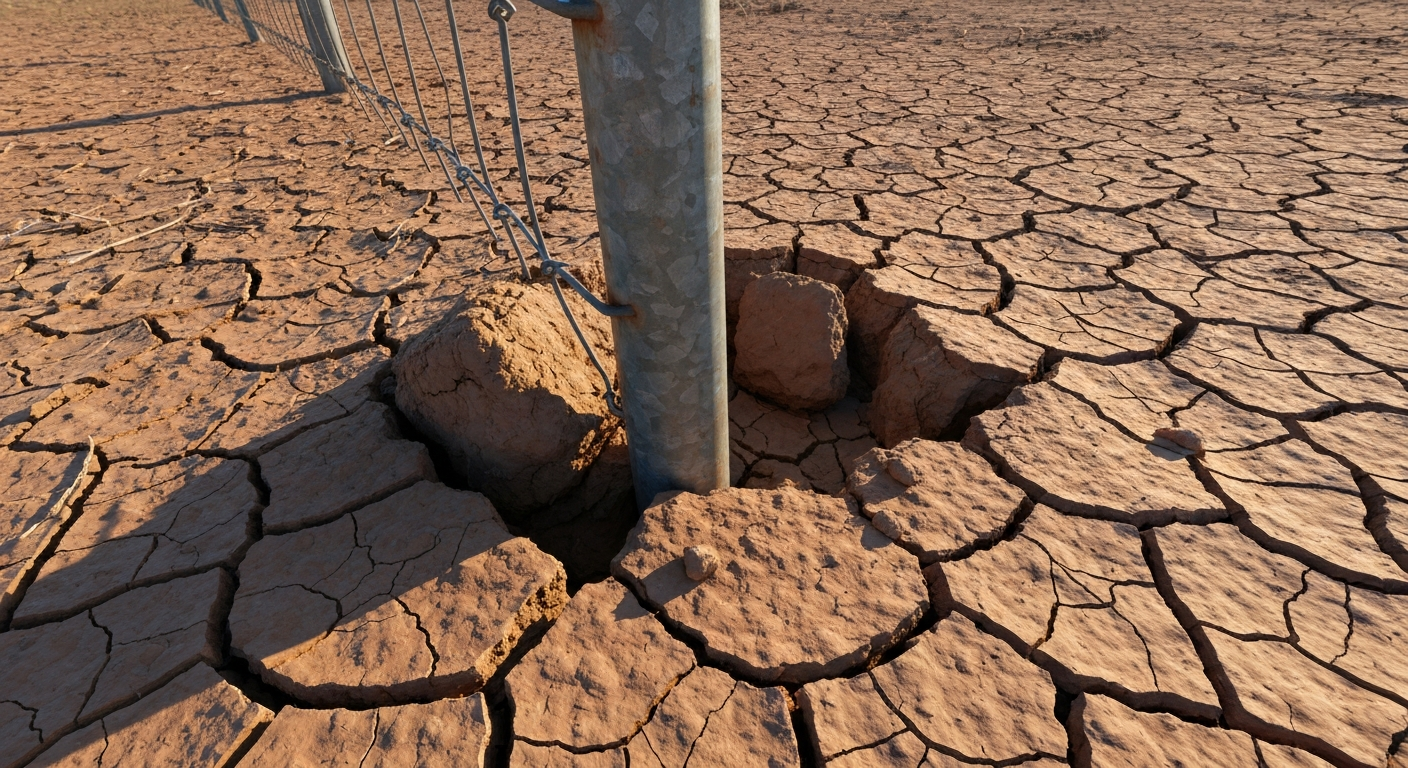
Also small distinctions can appear after the fencing has actually experienced damp climate and a freeze-thaw cycle.
2) Way too much span between posts for the rail stiffness
A fence can look fine at mount, then sag as rails bend under wind or as the fencing takes human contact.3) Weak end conditions
When end posts and edges are not correctly supported, the fencing can rack, and the line drifts.4) Hardware loosening from incorrect materials or bad fastening
Corrosion, splitting, or under-fastening bring about sneak at joints.5) Gate installed without hinge-side reinforcement
Gate sag can be a devoted issue, not simply a "fencing droop" problem.If you can spot these during the develop, the repair is typically uncomplicated. If you wait up until the fencing is currently sagging, the solution usually ends up being even more facility since you have to fix placement plus change stressed out components.
How to talk with a specialist without obtaining offered a mystery
Sometimes property owners obtain stuck in a loop: the fence droops, they recall, and they obtain vague solutions like "timber moves" or "wind happens." Wind does occur, yet good installation ought to account for it.
A strong fencing company communication seems like specifics. They should have the ability to explain exactly how they're building your fence to resist lateral loads and base movement.
If you wish to pressure-test the strategy, ask questions like:
- What message size, embedment depth, and bracing approach do you make use of for my fencing height and run length?
- How do you deal with entrance lots, specifically on the hinge side?
- What equipment and fastening pattern do you use, and why?
- How do you prepare backfill and compaction around the blog posts in my soil type?
Those inquiries compel the conversation right into setup realities, not general promises.
Repair vs stop: when "fixing it later on" costs more
Preventing drooping is generally more affordable than fixing sagging, however there are cases where repair service is fine. So one tiny section sagged somewhat, you may be able to re-level and include dental braces or tighten up connections. If the posts have actually moved considerably, you're frequently reconstructing the structural support.
As a policy, when multiple articles show misalignment or when the fencing line has a regular descending contour between many messages, the base and framing have already moved. At that point, service providers hang around detecting first, after that making a decision whether support can bring back geometry or whether replacement is the more secure path.
That's why prevention matters. The most effective fencing service providers deal with installation as structural job, not woodworking that you can rush.
Final take: drooping is a systems trouble, and prevention is the job
Fence sagging seldom comes from one reason. It's the mixed result of article motion at the base, rail deflection between messages, link looseness, wetness changes, and exposure to side lots. Service providers avoid sagging by designing the fencing as a stiff, stable system, after that constructing it with focus to the dull information that maintain geometry intact.
If you're hiring a fencing contractor or contrasting quotes from a fence company, lean into those architectural concerns: blog post sizing and embedment, bracing at ends and edges, rail support, equipment choices, and gateway reinforcement. That's where the difference lives. A fence that stands up to droop is not good luck. It's planning, workmanship, and the technique to do the best thing under real site conditions.