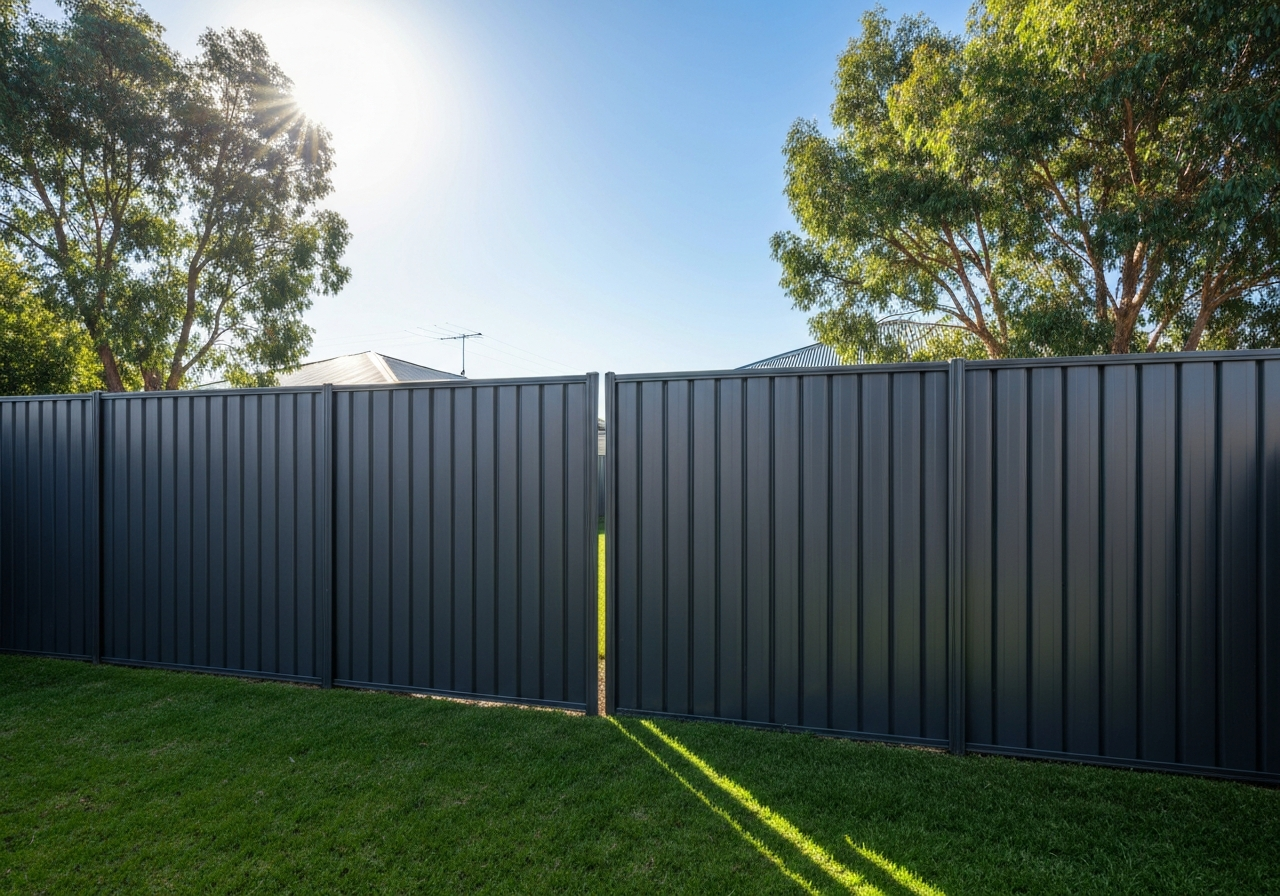
Plastic Fence Maintenance: Keep It Looking New
A vinyl fencing is expected to be the "set it and forget it" selection. In my experience, it's close. Yet close is not the like excellent. Plastic can deal with climate much better than wood or chain link, yet it still takes abuse: lawn sprinklers that run also long, lawn chemicals, kids leaning skateboards on rails, and that sandy movie that appears after a completely dry summer season complied with by an unexpected storm.
If you desire your fencing to maintain that clean, consistent appearance, maintenance is much less regarding heroic effort and even more about remaining ahead of the stuff that sticks. As soon as you understand what damages vinyl (and what vinyl can in fact tolerate), the work gets simpler and the results last.
What "maintenance" actually indicates for vinyl
Most fence issues aren't triggered by vinyl "damaging down" in some remarkable method. They come from accumulation, staining, and physical wear that lets dirt and dampness sit in the same places year after year.
Vinyl is normally a lot more resistant than timber, yet it is not stain-proof. Dust picks horizontal surfaces. Organic particles like fallen leaves and pollen can catch dampness. Mold and mildew can develop where air activity is minimal and shading corresponds. And if a fencing gets scuffed or scraped, grime has a simpler time holding on to those spots.
The objective is simple: maintain the surface area clean, prevent stubborn build-up, and address tiny problems early so they don't become huge replacements.
The most significant adversaries: crud, mildew, and lawn sprinkler mist
Let's discuss the 3 troublemakers I see most with vinyl.
Grime and scuff film. Vinyl often tends to gather a boring layer with time, especially near roads, driveways, and areas where lawn plant food gets splashed. That film isn't constantly noticeable until you contrast it to a freshly cleaned up area. Then it's difficult to unsee.
Mildew and algae. Shield plus dampness is the dish. If your fence runs along a residential property line with tall trees, or if the fencing obtains barely any type of sun, check it more often. You could observe dark flecks, a green color, or a fine-grained structure. Mildew generally begins quietly.
Sprinkler haze and runoff. A shocking variety of vinyl fences discolor faster than you 'd expect because of irrigation. Lawn sprinklers wet the very same rails every day. Also if the water is clean, repeated dampness motivates staining. If you have a slope, drainage can also focus unclean water along one section, producing a band of discoloration.
If you can determine where the fencing is obtaining the most repetitive wetting or one of the most dirt, you can target your cleaning and inspection. That saves time and keeps the fencing looking even.
Cleaning: the "best kind" of effort
Cleaning vinyl isn't hard, yet the information issue. You intend to get rid of contaminants without damaging the coating. Vinyl is tough, but aggressive methods can leave permanent marks.
Start with the least invasive technique: a routine clean making use of a soft brush and a yard tube. A lot of surface gunk raises with water, particularly if you wash completely after you spray.
What to use (and what to prevent)
In the area, I have actually found out to treat vinyl like a surface area that can be cleansed efficiently without being "rubbed into entry." The right devices prevent swirl marks and prevent worrying the material.
Use:
- A soft-bristle brush or a non-abrasive sponge
- Mild soap or a specialized vinyl cleaner if you have actually one
- Clean water rinse afterward, every time
Avoid:
- Steel wool or unpleasant pads
- Harsh solvents like paint thinner or acetone
- Pressure washing machines set as well hostile, particularly close to the fencing panels
A stress washing machine can be useful for persistent spots, however it's not a magic wand. If the nozzle is as well close or the stress too expensive, it can roughen the surface, loosen plastic parts, or pressure water right into locations it should not go. For several fencings, a regulated rinse plus brush job defeats a "blast and hope" approach.
If you do make use of a stress washer, maintain your distance and utilize a fan-type spray. Test on a little, concealed section initially. That little action stops unsightly surprises.
A practical cleansing rhythm that in fact works
You do not need to cleanse your vinyl fence weekly. What you need is a routine that matches your environment.
In bright, completely dry areas with respectable rainfall patterns, a light laundry a pair times a year might be enough. In moist or shaded locations, you might prepare for more frequent interest, because mold expands when you're not looking.
Here's exactly how I 'd frame it for the majority of homes:
- Spring: eliminate winter months gunk, pollen residue, and any type of early mildew.
- Summer: a spot clean after hefty pollen or after a touch of gusty dust.
- Fall: clear leaves and natural debris before it becomes a long-term stain.
- Winter: only do very little area cleaning if needed; prevent battling ice with harsh chemicals.
Think of it like grass care. You're not trying to make the fence clean and sterile. You're attempting to prevent buildup from coming to be permanent.
Spot cleansing blunders that set you back time later
When individuals inform me they cleaned their vinyl fencing and it still looks dirty, there are normally a couple of reasons. The usual ones are easy to fix once you recognize what happened.
One error is cleansing without adequate rinsing. Soap deposit can dry out right into a haze. Another is making use of a strong cleaner as well extensively, which can lighten or plain particular areas if the item isn't right for vinyl. Likewise, individuals commonly wait until mold is fully developed. Early mildew elimination is less complicated than trying to reverse months of growth.
I'll share a tiny story. A homeowner had a section of fence shaded by a fence-mounted arbor. The left side was clean and bright, the ideal side looked weary and a little eco-friendly. They attempted a basic clean throughout the entire fencing and the silver lining stayed nice. The shaded section didn't truly enhance, due to the fact that it required a more targeted mold technique and far better scrubbing of the rail edges where moisture sat. Once they concentrated on that area and rinsed thoroughly, the distinction was immediate.
That's the style: tidy the dirt, treat the growth, and wash like you imply it.
Stains: what they are and how to deal with them
Not all discoloration coincides. Plastic can reveal various kinds of tarnishing depending on what touched it.
- Organic stains: leaves, plant pollen, mulch, and algae generally react to gentle cleaner and mildew removal with the appropriate dwell time.
- Mineral stains: lawn sprinkler overflow and hard water residue can produce monotony or white-ish marks. These usually need extra washing attention and often a specialized cleaner made for mineral deposits.
- Oil or grease: these spots can be complicated. If grass tools dripped oil or a grill splattered, don't assume the basic clean will certainly manage it. Mild degreasing may be required, and you ought to evaluate a tiny area first.
With any stain, I suggest beginning with the moderate method. If it doesn't move after a correct scrub and rinse, tip up gradually rather than jumping straight to harsh products.
Preventing damage before it starts
Cleaning aids, however prevention is where the real benefit happens.
Vinyl fencings take physical hits. A mower can nick a lower rail. Trimmers can cut into panels. Youngsters can leave scuffs from bikes and boards. A lot of those points appear small, up until dust gathers in the damaged spots.
You can decrease damage by:
- trimming grass and weeds so they don't massage the fencing constantly
- keeping compost from loading against fencing rails
- avoiding landscaping chemicals that spray or drift onto vinyl
If you use plant foods or weed killers, use them very carefully. Drift issues. I've seen fencings near yard beds discolor much faster because the spray pattern captures the reduced rails.
Also, enjoy what occurs along the base of the fencing. Vinyl is meant to rest over ground, not to be hidden. If dirt is risen against rails over time, moisture and dirt hold there longer, and staining accelerates.
Repairs and examinations: tiny problems, large difference
A vinyl fence can endure weather for years, but it does not like forget. The key is to treat your fencing like an outside function that should have a quick check, not a failed to remember object.
Look for:
- loose articles or tottering sections
- cracks around placing points
- warping near influence areas
- gaps where rails fulfill posts
- missing caps or hardware
Vinyl parts can change with freeze-thaw cycles, particularly if the base and backfill weren't ideal to begin with. A fence that stays tight very early is generally a fence that remains looking clean. If a rail loosens up, that rail can accumulate extra dust and catch moisture in such a way a snug connection does not.
If you're collaborating with a fencing company or fencing contractors, ask whether your fence was installed with appropriate clearance for water circulation and thermal motion. A well-installed fence requires much less maintenance because it drops water efficiently and remains aligned.
Even if you manage most of the maintenance on your own, specialist input can help if you believe architectural concerns. A fencing specialist can analyze blog posts and adapters without guessing.
And of course, an excellent fencing contractor matters. The distinction in between a fence that stays straight and one that gradually leans is typically installment quality, not simply the plastic brand.
What about specialist cleaning?
Some property owners employ a fencing company to take care of cleansing and upkeep. That can be clever if:
- the fence runs long along a property line
- you have heavy mold coverage
- your access is tight, like gateways or landscape design beds
- you don't intend to handle equipment and chemical handling
Professional cleaning is frequently quicker, and experienced crews understand what dwell time and product toughness tends to work securely on plastic. Still, you must ask what they make use of and how they use it. If they tell you they simply "pressure clean whatever hard," that's a warning. Plastic can be harmed by sloppy pressure settings.
Good contractors will cleanse with intention: mild application, targeted scrubbing up, and detailed rinsing.
A basic maintenance regimen you can follow
Here's a sensible regimen I would certainly suggest for most homes. It's not complicated, and it stays clear of the mistakes that produce more work.
Do this constantly and you'll typically prevent mold and discoloration from coming to be "jobs."
Vinyl color fading: what's regular and what is n'thtmlplcehlder 208end.
Vinyl commonly looks crisp since it holds color well. But fading can happen. UV direct exposure dulls pigments over time, specifically in intense sunlight. For the most part, the fencing gradually loses illumination instead of turning blotchy overnight.
Blotchy staining is more worrying. That's where you begin considering uneven cleansing, water overflow courses, or mold hiding in shaded edges. If one section looks regularly worse than the remainder, look for a pattern. Shade, lawn sprinklers, and downspout overflow all create repeat offenders.
The trick is learning your fencing's standard appearance. After a great laundry, take a psychological snapshot of what "clean" resembles for your panels and rails. When it stops matching that snapshot, act early.
Hardware, gateways, and the components that get overlooked
People tidy the panels and fail to remember the rest. Vinyl fencings include hardware, brackets, and gateway elements that take hits and build up grime.
Hinges and latch areas can collect dust. That doesn't always turn up aesthetically as discoloration, yet it impacts function. A gate that does not close smoothly can loosen links over time. Dampness obtains trapped in misaligned hardware, motivating mold and rust on any type of metal parts.
Wipe equipment down throughout cleaning and keep eviction moving openly. For lubes, use products suitable for outside hardware, and prevent oversaturating areas where gunk will stick. If you use WD-style sprays, do not presume they're vinyl-safe across every surface area without testing.
If your fencing consists of articles with caps, see to it caps stay seated. Missing out on caps can let water collect inside blog posts, leading to staining and possible architectural concerns at connectors.
When you ought to quit do it yourself and contact a fence contractor
DIY upkeep is excellent for cleaning and minor touch-ups. But there are times when professional judgment repays fast.
Call a fencing contractor or seasoned fencing company when:
- a section is leaning or wobbling
- posts look unsteady at the base
- you see splits at mounting points
- a gateway alignment problem continues after basic cleaning
- you're handling comprehensive mildew that maintains returning quickly
Frequent return typically suggests there's an origin, like trapped wetness, poor drainage, or limited sunlight. A professional can spot those patterns rapidly and advise renovations beyond simply cleaning.
The trade-offs: patience versus intensity
One of the hardest aspects of plastic upkeep is withstanding need to "go harder." Scrubbing more difficult does not constantly suggest cleaning much better. It can enhance scuffing, create a rougher surface, and make spots hold even more boldy later.
I've viewed individuals turn an easy cleaning work into a long-lasting eye sore due to the fact that they made use of unpleasant tools or extreme chemicals too confidently. Vinyl can handle weather, yet it does not should have abuse.
A constant technique victories. Clean frequently with light techniques, deal with mold early, and avoid damaging the surface finish. That's the mix of patience and usefulness that keeps a fence looking brand-new as opposed to merely "less unclean."
Edge instances I've found out to respect
Every lawn has peculiarities. A couple of scenarios turn up again and again:
Fence lines with hefty tree cover. Leaves and sap gather. Sap in particular can feel sticky and can leave a residue that requires proper cleansing as opposed to fast rinsing.
Borders with mulch. Mulch can wick dampness and organic substances versus the fence. If you ever before see a lower-rail band that discolorations darker only in mulched areas, readjust the landscaping edge.
Areas affected by lawn irrigation. If a specific rail stays wet much longer, it will certainly blemish first. Move sprinkler heads, extend watering period very carefully, or enhance water drainage so the fencing does not live in a constant wet strip.
Wind-blown dust and pollen. These don't always resemble "dirt" today. They can create that plain movie that shows up after the rain. A rinse plus a light wash in very early summer normally makes a large difference.
Keeping it looking brand-new ways staying consistent
A plastic fencing doesn't need continuous interest, but it does award follow-through. Clean before build-up comes to be thick. Get rid of natural debris quickly. Be smart with cleaners and tools. Examine equipment and gate feature. And if a section continuously spots or go back to mildew, don't simply rewash it, recognize why dampness is lingering.
If you're dealing with fencing contractors or a fencing company, make use of the upkeep plan as component of the discussion. Ask what they recommend based upon your home conditions, sun direct exposure, and water drainage. A great fencing contractor thinks past the install day. They assist you stay clear of the foreseeable failure points, both cosmetic and structural.
Vinyl is resilient, yet it's still a surface that interacts with your backyard on a daily basis. Take a little control, and your fencing stays crisp, clean, and sharp-looking period after season.