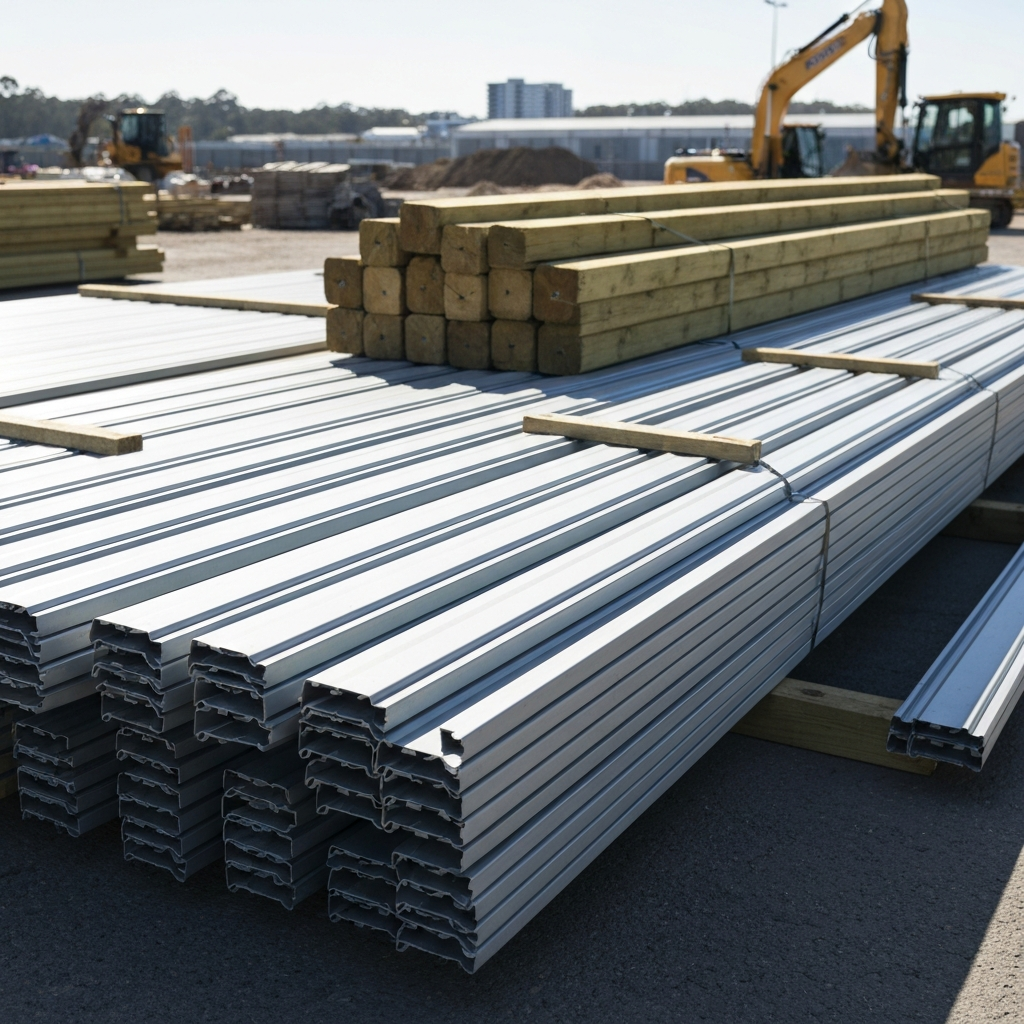
Guaranteeing Fencing Durability With Correct Grounding
A fencing is intended to do one work really well: keep its pledge. It should hold line articles straight, rails straightened, and repairings tight with heat, rain, wind, lawn sprinklers, and the general impatience of youngsters and pets. When fencings fail early, it seldom boils down to "rotten luck." Regularly it is a chain of little grounding and get in touch with issues that let moisture, rust, or rot get a free pass right into the components that matter.
In fencing job, "grounding" can imply a couple of different things simultaneously. For some fence contractors, it's electrical grounding for gateways, operators, or lights. For others, it is the physical way the messages sit in the ground, the method concrete is developed, the method water drainage is handled, and whether water is motivated to hug the fence. In real tasks, I see all of it overlap. The fence company that lasts is generally the one that deals with grounding as part of the construct, not an information left for later.
If you are picking a fence installer or speaking with a Fence contractor Melbourne, it assists to comprehend what "proper grounding" appears like in practice. Then you can spot the shortcuts that silently cut years off the fencing life.
The hidden opponent is water, not just weather
Most fence materials do not like wetness in particular methods. Hardwood posts rot at ground degree initially, also if the fence looks fine above the surface area. Steel bolts and braces wear away when water rests versus them, specifically when the call factors are tight and oxygen is restricted. Powder covering and paint can look undamaged while the bolts beneath are currently damaging down. Even concrete can be included, due to the fact that the incorrect concrete approach traps water and creates a "damp pocket" around the post.
I've been on site where a timber fence was only a few years old. The boards were still respectable, yet the messages were soft 10 to 20 centimetres above quality, and the bottom of each message had that dark, squishy feel you can not overlook. When we pulled one out, the message had actually been established straight into a damp trench with little interest to drainage. The fence company that built it had actually possibly done what they were informed to do, but the soil conditions required much better judgement. In Melbourne, for instance, seasonal damp spells and clayey dirts can keep the ground saturated longer than people expect, particularly after heavy rain.
Grounding is where the problem begins. It is the handshake in between the fence system and the ground.
Grounding starts with soil and website reality
Before concrete is mixed or a message is pierced, the ground has a character. Clay holds water. Sandy dirts drain pipes faster however can move if disrupted. Organic topsoil transforms to mush and can conceal a drain problem until you trench for blog posts. If a fencing line gets on a mild fall, water might run along the base of the posts instead of away from them.
A good Fence contractor will ask questions that sound basic yet are in fact analysis:
- Is the ground in a trench staying damp after rain?
- Are there sprinklers or watering lines going across the fence line?
- Does the fencing run near a nadir where water collects?
- Is there an existing fence line that fell short for the exact same reasons?
That issues since basing approaches are not one-size-fits-all. A message set in company dirt can tolerate different strategy than one set in soft ground or fill. In fencing contractors Melbourne, I've seen the very same secure fencing item carry out really in different ways on different roads just because the ground was various a few metres either side of the line.
A Fence installer worth employing does not simply bring the equipment. They bring site judgement.
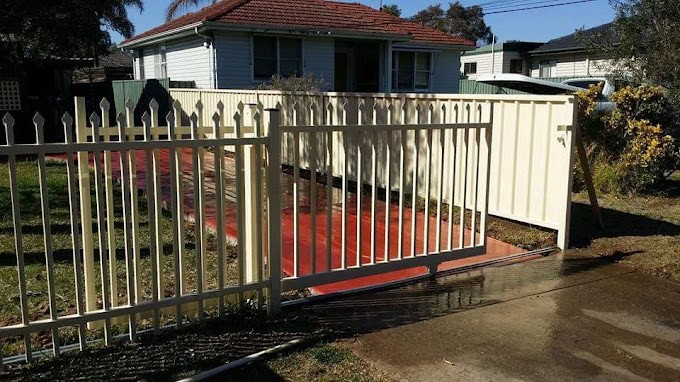
Physical grounding: exactly how blog posts contact the dirt and water
The most usual grounding concern I run into is call with consistent dampness. Whether you are installing lumber, steel, or composite, the objective is usually the very same: maintain the article base out of long-lasting saturation, lower wicking, and permit any water to recede rather than developing up.
Timber posts: treat the bottom like it will constantly be wet
Timber and ground get in touch with is where fence contractors earn their reputation. The timber varieties matters, the treatment process matters, and the set up approach matters just as much. Unattended or inadequately secured timber touching dirt will fail also if the hardwood looks good at first. Even dealt with posts can fall short if they are left in conditions that trap water around them.
Correct grounding for lumber commonly includes:
- using correctly ranked articles for ground contact
- setting them in such a way that prevents direct, long term damp contact
- making sure water can leave as opposed to kick back the base
- ensuring the concrete or packing method does not trap water against the post
A mistake I have actually seen continuously is backfilling with wet product and packing it limited against the blog post. It really feels strong in the short-term, yet it restricts drain. If you can, I suggest believing like water. Where will it go on a rainy week? If it has a course to drain pipes, you are already ahead.
Metal blog posts: corrosion needs oxygen and an electrolyte, and grounding materials both
For metal secure fencing, grounding troubles usually turn up as rust bands at ground degree, loosened rails, or braces that at some point detach. Deterioration speeds up where wetness sticks around, specifically when dissimilar metals or poor coatings are included. If a steel blog post is installed in a way that focuses water at the base, you obtain a "corrosion zone" that can spread out upward as the finishing fails.
This is additionally where electric grounding shows up, also for fencings that are not intended to be electrical systems. A fence with lights, an entrance electric motor, or an electronic access system adds wiring and equipment. If basing is done inaccurately, stray present and rust can become real problems over time.
Even without electronic devices, grounding is still physical. An article base that beings in damp soil or shallow concrete pools water around it. If you then bolt a galvanised part to a non-galvanised bracket without security, you can create a rust pair that gnaws at the weakest point.
A fencing company that installs correctly will match products, protect contact factors, and treat the base as a dampness monitoring task, not a simple "set and neglect."
Concrete and article setup: the distinction between toughness and caught moisture
Concrete is common for posts because it really feels long-term. But concrete can either help or hurt, depending on how it is used.
A well-executed blog post setup does 2 points:
A poorly carried out article setup can do the opposite. Concrete can hold water, especially when the bordering soil is damp and water drainage is limited. It can additionally produce a capillary impact where wetness wicks upward into the message if the user interface is not right.
Practical judgement fencing installers apply
In the field, I usually see the right technique identified by a few details:
- soil type (especially whether it remains saturated)
- the deepness of the hole and whether the base is firm
- whether the concrete is "damp pocket surrounding" as opposed to formed to shed water
- whether there is enough fall and drain to keep overflow away
For example, in a site with clay that stays wet, a shallow concrete collar can produce a relentless damp boundary right at the message base. On the various other hand, in steady, well-draining ground, concrete can be a strong stabiliser for the years ahead.
A Fence company Melbourne that does constant work will certainly recognize how their regular soil behaves and exactly how their method executes in regional wet seasons. That neighborhood responses belongs to what you pay for.
Managing get in touch with points: rails, brackets, and fasteners
Even if articles are perfect, rust can still start at the dealings with. Grounding expands beyond the blog post and right into every location steel satisfies steel or steel satisfies cured timber.
Common "grounding-related" failing points consist of:
- brackets mounted near grade where splashed water accumulates
- rail links where water sits inside the joint
- screws or bolts that are not suitable with the finishing system
- timber-to-metal fixings that hold wetness at the interface
In my experience, a tiny modification like making use of the correct quality of bolt, applying sealant where proper, and spacing elements to decrease water trapping can include meaningful life. It is also why great fence contractors speak about coatings and equipment, not only the visible fence panels.
If you have ever listened to a person claim "it will be great, it's only a few years," that is usually claimed by a person who has not spent adequate time replacing rusty brackets. Rust holds your horses. It seldom rushes, which is why it can be missed until it becomes structural.
Electrical grounding for fencings: where circuitry becomes rust or security risk
Let's address the various other significance of grounding, due to the fact that it matters when you have an automated gateway, fencing lights, or security equipment.
If a fencing consists of electric elements, improper grounding can result in:
- nuisance faults in electronics
- safety risks in fault conditions
- accelerated rust at connected equipment (when stray current or poor grounding produces electrical pathways via the system)
- damaged elements after lightning or rise events
An appropriate approach entails making sure safety earth where called for, utilizing ideal cable directing, and making sure links are weatherproof. It likewise entails complying with applicable electrical criteria and using certified individuals for electric job. Most Fence installer tasks do not end up being "electrical jobs," yet fencings with gates commonly cross that line.
If you are appointing a gateway or fencing illumination system, ask the installer just how they manage earthing and rise security. An expert fencing contractor will not be annoyed by the question. They need to be able to explain it plainly, not dodge it.
The upkeep truth: grounding issues become worse when greenery crowds the base
Grounding is additionally what occurs after installation. Gardens grow. Compost spreads. Slopes erode. Watering regimens drift. I have actually seen vines twist around a fencing message, capturing wetness and avoiding air flow. I've seen sprinkler heads hit fence rails more frequently than the property owner intended, because the lawn sprinkler coverage was adjusted for grass development and the fence line became the "easy target."
A fencing will certainly last longer when the base stays:
- visible sufficient to inspect
- dry sufficient to withstand continuous saturation
- free from particles that holds water
That is not concerning constant repainting or continuous hassle. It has to do with getting rid of conditions that keep the ground line wet and the materials trapped.
When to stress: very early indicators of poor grounding
Sometimes you do not get a full failure. You get warnings that the basing user interface is not doing its work. Capture these early and you can often repair the problem without changing the whole line.
Here are the signs I try to find when strolling fence lines:
- dark rot at the post base, soft qualities when penetrated, or blog posts that wobble under light pressure
- rust bands that widen at ground level, particularly around brackets
- fasteners that look boring or matched while the fencing surface still looks acceptable
- gaps between rails and articles that raise after damp weather
- water merging at the fencing base or duplicated runoff against the articles after rain
If you observe several of these at the same time, it typically aims back to grounding, water drainage, or get in touch with factor problems instead of pure material defects.
Practical steps to boost basing end results (without overcomplicating it)
You do not require a challenging system to improve long life. You require consistent fundamentals and the right adjustments for your site. Most of the moment, the renovations are basic, but the reasoning matters.
Consider this as a short collection of directing activities, something a Fence contractor can apply on your task:
Those points read like "good sense," but they are precisely the information that separate a fence company's best work from a rushed install.
Fence Long life With Correct Grounding: what it appears like on an actual job
Let me explain a scenario I've seen more than once in Melbourne style country blocks.
A home owner had a border fence that was falling short at the post bases. The panels were still standing, however a number of articles had come to be loose. The fencing had actually been installed throughout a section of land that likely had clayey fill. During hefty rainfalls, water moved along the fencing line as opposed to far from it. There was likewise a downpipe discharge and a garden hose that had a tendency to run at the very same section.
When we evaluated the grounding, the problem was not the panel item. It was the mix of:
- post bases sitting in a damp environment
- concrete used in such a way that did not improve water drainage at the interface
- bracket hardware located at dash height
- landscaping that kept moisture around the base
The solution entailed not just replacing blog posts, but altering the approach. Much better splitting up of blog post base problems, attention to the concrete user interface, and adjustments to exactly how water was guided away from the fence line. The difference in performance was prompt after the next wet spell. The fence stayed strong, without any fast widening of corrosion areas or new gentleness at the ground line.
That is the trick: basing improvements get rid of the duplicating triggers. Without that, you can switch panels constantly and still lose the line posts.
Trade-offs: what you obtain, what you might sacrifice
Every grounding technique has compromises. A fence installer must discuss them rather than assume one method is instantly best.
For example:
- Using more concrete can raise stability, however in some dirts it can additionally trap moisture if water monitoring is not right.
- Avoiding concrete can boost drain in some cases, yet it can decrease stability in soft ground or hefty wind exposure.
- Raising hardware greater can reduce deterioration, however it may affect rail placement and the appearance of the fence.
These are not factors to stay clear of choices. They are factors to choose with site conditions in mind. Fence company choices need to be driven by environment, not marketing.
Choosing the ideal Fence contractor or Fence company Melbourne
If you are hiring, the best concerns are the ones that uncover just how they think about grounding and moisture. The answers inform you whether you're managing a Fence contractor or someone who simply puts materials.
A couple of questions that usually disclose the truth, without transforming the discussion right into a debate:
- How do you established articles in this dirt type, and what do you do if the ground holds water?
- What fasteners and coatings do you utilize near ground level, and why?
- Do you shape concrete to take care of drain, or do you rely on the fill to drain?
- If there is any electric element for gates or lights, that manages earthing and grounding?
- What maintenance do you advise so the basing user interface stays healthy?
You must likewise take note of just how the professional discuss examinations and responsibility. An expert fencing contractor will talk about examining the base, safeguarding get in touch with points, and developing for regional damp periods. They will certainly not just review aesthetics.
In many residential areas, there are Fence contractors that are exceptional at the noticeable part of a job and much less extensive at the unseen parts. The visible component offers promptly. The unseen parts expand life. Grounding belongs in that 2nd category.
Maintenance that protects the basing investment
A fencing is not a passive item. It engages with your residential property. The best maintenance for longevity is basic and focused on the base.
You do not need to scrub whatever monthly. You do need to stay clear of the long-term "damp and stagnant" problems that ruin articles, brackets, and rails.
A few routines make an actual difference:
- keep mulch and garden beds from stacking versus lumber or metal bases
- check for pooling after tornados, particularly at low points
- adjust lawn sprinkler patterns so they do not regularly damp fence rails and brackets
- treat early corrosion or small lumber damages prior to it spreads out at the base
If you have an irrigation system, it is worth walking the fencing line during a watering cycle. In a surprising variety of situations, the fencing base gets struck directly for factors that seem small to the grass plan.
The grounding details that are simple to miss but expensive to repair
When points fail, it frequently costs more than the initial install since you have to secure, remove, and reset messages, and you may require to replace rails and braces that have actually currently worn away or loosened.
The costly misses out on are generally subtle:
- a post base that beings in wet soil since the opening is not prepared properly
- concrete that does not drain pipes and develops a damp boundary
- brackets installed where splash water continuously hits
- mismatched hardware layers that wear away faster at call points
- landscaping that blocks air flow and maintains moisture trapped
This is why fence contractors Melbourne with lengthy local experience attract attention. They know where these failings turn up first.
A quick reality check: long life isn't only the materials
People commonly ask about the "ideal" fence product. That is a reasonable inquiry, yet it can distract from the actual motorist of lifespan: the system at ground level.
Even the most effective wood or ideal galvanized parts will certainly lose years if the basing interface traps dampness and encourages deterioration. Even premium finishings can fail if fixings are set up in a manner that focuses water. You can end up changing messages in year four or five instead of year ten or even more, and the distinction is usually not attractive. It is the information near the soil line.
Correct grounding transforms the environment from an opponent into something the fence can tolerate.
Final thoughts you can act on
If you want a fencing to last, treat the base like the most fundamental part of the task. Ask about article setup method, water drainage, dirt dampness, and how the specialist takes care of contact points near quality. If your fence includes electrical entrance motors or lighting, ask about basing and earthing as well, and insist on qualified handling.
A strong Fence installer will certainly make these details feel normal, not optional. They will certainly build for wet seasons, not simply for the day the fencing increases. That is exactly how fencing contractors provide long life that homeowners discover quietly, when the next storm comes and the fence line remains put.
If you are contrasting quotes, do not just look at the fencing panels. Contrast the approach to grounding. That is where long life is won or lost.