Houston Carpet Cleaners: Safe Solutions for Delicate Fibers


Houston rugs and carpets take a beating. Between Gulf humidity, sudden downpours, tracked-in clay, and the occasional crawfish boil gone sideways, floor textiles in this city endure more than their fair share. The more delicate the fiber, the higher the stakes. A wool Wilton, a viscose blend area rug, or a hand-knotted silk runner can look fantastic for decades if treated correctly, or show irreversible damage after a single misguided cleaning. The difference usually comes down to chemistry, moisture control, and the judgment of whoever brings the hose and wand.
Having spent years on job sites across the greater Houston area, I’ve learned that safe care for fragile fibers is less about equipment and more about restraint. Good carpet cleaners know what not to do. They test, measure, and adapt for the fiber in front of them, not the last one they cleaned. If you’re searching for carpet cleaning Houston providers capable of handling heirloom quality pieces, here’s what matters and why.
Why delicate fibers fail in humid climates
Houston’s humidity changes the rules. A method that works in drier states can backfire here, especially on wool and plant-based fibers. Moisture that lingers too long fuels yellowing, cellulosic browning, and odor. Wool swells when wet and takes longer to dry, which exaggerates wicking. Rayon and viscose lose up to half their strength when wet, so aggressive agitation shreds the surface into fuzzy patches. Even nylon behaves differently when you add indoor humidity and airborne oils from cooking.
Then there’s the water itself. Houston municipal water typically runs moderately hard, so it carries minerals that interfere with detergents and can redeposit as a dull film. Over time, that residue grabs soil faster and makes a delicate carpet look tired well before its time. Professional carpet cleaners Houston homeowners trust guard against these variables with soft or conditioned water, adjusted chemistry, and controlled drying, not just hotter equipment.
Wool needs rules, not guesses
Most residential carpet cleaning Houston calls still involve some wool, whether wall-to-wall cut pile in older homes or flatweave area rugs. Wool is resilient, but it has clear boundaries. High pH opens the scales on the fiber and can felt the pile. Strong oxidizers, especially on a urine spot, can shift color permanently. Aggressive heat sets stains and encourages yellowing. Good cleaners treat wool as a protein fiber, not a synthetic.
What that looks like on site: a tech arrives with an acidic rinse instead of an alkaline one, carries wool-safe spotting agents, and asks about previous cleanings. They do a quick dye stability test with a damp white towel in an inconspicuous spot. If the towel picks up color, the technician treats it as a bleed risk and adjusts accordingly. They keep water volumes tight, favor slower, controlled passes, and introduce air movers immediately so the carpet dries within hours, not days.
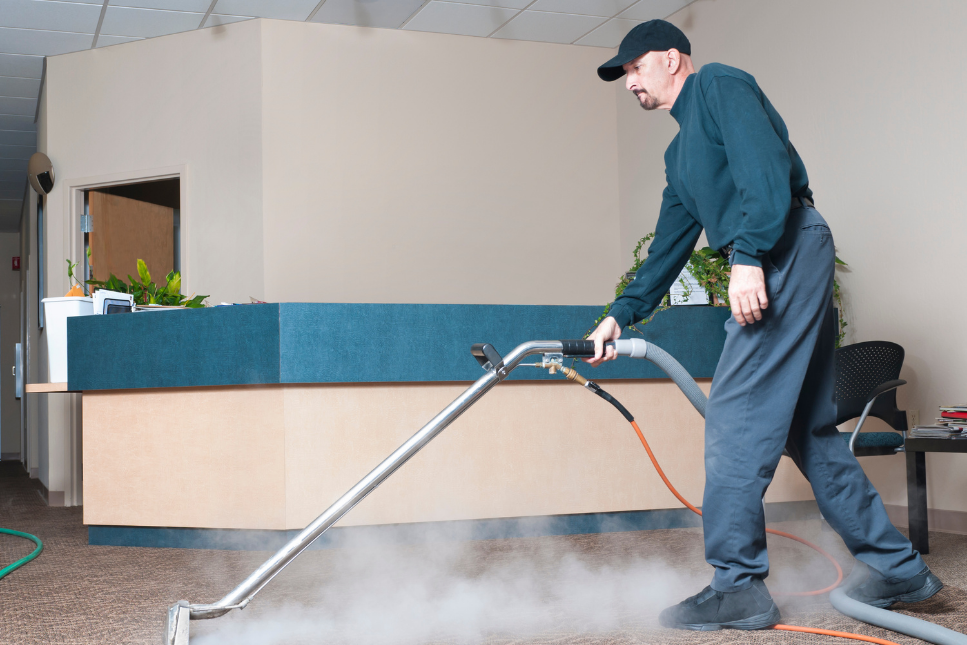
When clients ask about “steam cleaning” for wool, I explain that steam is a misnomer. Most carpet cleaning service Houston teams use hot water extraction with managed temperatures. On delicate wool, we dial the heat down and balance cleaning power with dwell time and agitation that won’t distort the pile. The goal is to float out soil without oversaturating the backing.
Silk, viscose, and the trap of shine
Silk area rugs are rare, but Houston has its share in River Oaks, Memorial, and the Museum District. Viscose and rayon are more common, marketed as “art silk” and loved for their sheen. That sheen turns these pieces into landmines. Water marks, pile distortion, and fiber weakening show up quickly if you treat them like standard rugs.
A reputable carpet cleaning company Houston residents bring into their homes for delicate items will steer you toward low-moisture approaches for viscose and blended pieces. They might decline correction of older water rings if the risk outweighs the reward. They will vacuum thoroughly with a soft brush head, apply a neutral or slightly acidic cleaning solution sparingly, groom the pile with a hand tool, and dry with directed airflow. Anything more aggressive can turn a rug into a splotchy, stiff board.
Real-world example: A viscose runner in a Montrose townhouse arrived with a coffee spill. The owner had tried a club soda trick that left a large, lighter halo. We stabilized the area with an acidic conditioner, tamped a volatile solvent-based spotter, then worked the edges with a bone spatula under a white towel. The correction was partial by choice. If we had chased a perfect blend with more moisture, the halo might have expanded. That’s the kind of trade-off a careful cleaner makes and explains up front.
When synthetics are “delicate” too
Nylon and polyester don’t sound delicate, but certain constructions qualify. High-density soft nylon twists, long shag piles, and olefin Berbers snag or wick easily. On pale, low-profile nylon in a high-rise, you have to watch for filtration lines along baseboards and stair noses. These gray lines stem from air movement through gaps, carrying fine soot that bonds to the fiber. Scrubbing won’t do it. We use alkaline preconditioners followed by targeted solvent boosters and a thorough acidic rinse, then seal gaps to reduce future lines. Dry soil removal first is essential. If your cleaner jumps straight to wet methods, the embedded soot local carpet cleaning companies Houston spreads and shadows worsen.
In multi-level homes near the bayous, we see recurring wick-back on light polyester. The fix isn’t heavier chemistry, it’s careful extraction and fast drying. We often finish with a dry pad pass under a low-speed machine, followed by air movers. Polyester resists water-based dyes but loves oils, so kitchens and living rooms accumulate invisible film from cooking. A cleaner who recognizes that will prescribe a mild solvent boost rather than scrubbing harder.
The water and pH conversation
Clients sometimes get nervous when we talk pH, but it’s a safety net. Wool prefers mildly acidic conditions, generally around pH 4.5 to 6.5 for rinsing. Most synthetic-targeted traffic lane cleaners live between pH 9 and 11. That’s perfect for grimy nylon but dangerous on wool face fibers if used carelessly. On-site, we map the space and choose chemistry room by room. A family room with nylon wall-to-wall can take a strong pre-spray. The adjoining study with a wool Axminster needs a different approach entirely. Smart carpet cleaners carry multiple options and test as they go.
Water quality matters just as much. Softened or deionized water helps surfactants work properly and leaves fewer residues. We track the difference in rinse clarity. Once a homeowner sees that the waste tank looks like weak coffee rather than muddy tea, they understand why proper water is not a luxury.
Spotting that doesn’t backfire
The toughest part of residential carpet cleaning Houston teams face isn’t the overall clean, it’s the small, stubborn issues. Pet accidents, turmeric spills from a weekend curry, or rust from a potted plant tray require precision. Each has a preferred agent and sequence, and several have a ticking clock.
Pet urine on wool is the classic trap. High-alkaline urine raises the pH, which opens the wool cuticle and can set a yellow cast. Add a strong oxidizer and you might fix the odor while bleaching the dye. The safer play is to stabilize the pH with a mild acid first, extract gently, then address odor with enzymes or oxidizers in controlled, low concentrations. When the backing is saturated, a flood extraction using a subsurface tool and fresh water can reach the padding without oversoaking the face.
Turmeric on light nylon is a headache because curcumin binds to the fiber. Heat or high pH locks it in. We pre-wet with a reducing agent where appropriate, keep temperatures moderate, and accept that full removal is rare. Managing expectations builds trust, and it protects delicate carpets from being sacrificed for a spotless photo.
Dry times make or break safety
Houston doesn’t forgive slow dry times. Mold risk increases as hours tick by, especially in rooms with limited airflow. For delicate fibers, prolonged dampness also means distortion. A good carpet cleaning company Houston homeowners rely on brings enough air movers to reduce dry windows to two to six hours, even for thicker constructions. For wool, we aim for the shorter end, combined with gentle pile grooming so the fibers don’t mat as they dry.
We watch HVAC, too. In summer, you want the system running to pull moisture out of the air. In winter’s mild cool, a short burst of heat helps. Open windows are a coin toss given outdoor humidity. Sometimes it helps, sometimes it invites more moisture inside. An experienced tech reads the room and decides on the spot.
Picking the right provider in a crowded market
The Houston metro has hundreds of carpet cleaners. Some specialize, others chase volume. If you own delicate fibers, interview prospects like you would a conservator. Ask which chemistry they carry for wool and silk, whether they use acidic rinses, and how they verify dye stability. Listen for disciplined language around testing, dry times, and realistic outcomes. Companies who train on IICRC standards for wool and upholstery usually advertise it, but certifications aren’t the whole story. Local experience with humidity and common Houston soils is just as valuable.
You want consistency as much as pedigree. The best residential carpet cleaning Houston crews document fibers, pre-existing conditions, and any sensitive areas before they start. They pad corners, protect transition strips, and check for loose seams. If a tech rushes through the walk-through, expect the same haste in everything that follows.
What Houston homes teach about maintenance cycles
Delicate fibers last longer with less drama when buyers treat cleaning as part of maintenance rather than crisis response. In shaded, air-conditioned spaces, wool fares well on a 12 to 18 month professional cycle, with monthly vacuuming using a canister head suited to the pile. Hallways in open-plan homes need more. Beach trips and backyard barbecues show up on light-colored carpets within weeks. Spot care between visits should favor tamping with a white cotton towel and a neutral solution instead of scrubbing.
Area rugs benefit from rotation every six to twelve months to even out UV exposure and foot traffic. Pad selection is another quiet variable. A felt-rubber pad under a wool or silk rug adds cushioning, reduces slippage, and limits stress at the knots. It also creates an air gap that speeds drying after spot treatments.
Safe methods for common delicate scenarios
Here are tight, field-proven workflows that balance safety and results on fragile fibers. These are the kinds of standards you can expect from careful carpet cleaners.
- Wool wall-to-wall with moderate soiling: dry soil extraction with a HEPA vacuum, mild wool-safe preconditioner applied with controlled dwell, gentle agitation using a soft-bristle brush, hot water extraction with an acidic rinse, grooming with a wool rake, then active drying with air movers and HVAC on.
- Viscose area rug with light generalized soil: thorough vacuuming in the pile direction, ultra-low moisture clean with a neutral solution applied via mist, light bonneting with soft cotton pads, immediate directional drying, and strict no-steam, no heavy agitation.
- Nylon cut pile with filtration soiling: edge vacuuming, targeted alkaline cleaner at baseboards, solvent additive for soot, gentle agitation with a crevice brush, careful rinse, post-clean wipe-down of baseboard edges to prevent drip marks, and airflow for quick dry.
- Wool rug with pet urine: pH stabilization, subsurface extraction with clear water, enzyme or oxidizer used sparingly and tested for dye safety, odor counteractant in the pad zone if needed, final acidic rinse on fibers, fast drying with dehumidification if available.
- Silk blend runner with water rings: solvent-based spotters tested on the back corner, minimal moisture use, blot-and-lift technique, blocking and tensioning if needed to maintain shape, and clear client communication about the limit of correction.
Fewer steps often yield safer outcomes. Overcleaning ruins more delicate textiles than undercleaning.
The chemistry shelf, simplified
Professionals often carry a small universe of bottles, but most of the safety comes down to a handful of choices matched correctly. For protein fibers like wool and silk, we lean on neutral to slightly acidic cleaners and avoid optical brighteners. For synthetics, we reach for alkalines and solvent boosters when oils dominate. Before oxidizing anything, we test. Before using reducers, we confirm the stain. If you’re hiring, you don’t need to know brand names, but you want a team that speaks this language and shows their test kit without hesitation.
Water-based protectors, thoughtfully applied, help delicate fibers repel dry soil and hold off spills long enough to blot. On wool, look for fluorochemical protectors rated as safe. On viscose, protection offers marginal benefit because the fiber structure still weakens when wet, but a light application can help with day-to-day smudges. Any protector is only as good as the cleaning underneath it. Residue-free carpets accept protector better and perform longer.
What Houston’s seasons mean for scheduling
Our weather pushes you toward certain windows. After heavy spring rains or tropical systems, indoor humidity spikes. If you can, schedule delicate-fiber cleaning on drier stretches or turn on the AC and dehumidifier before the techs arrive. During hurricane season, storm debris and emergency roof work bring fine dust indoors. A pre-emptive vacuuming habit saves your fibers. In late fall and winter’s drier weeks, you can tackle more intensive projects like full restorative cleans of wool without fighting the air.
High-rise residents in Downtown and the Galleria area face a different variable: building rules. If you live above the tenth floor, ask your carpet cleaning service Houston provider about water management and elevator logistics. Experienced techs bring contained systems, extra hose protection for hallways, and quiet air movers suited to shared walls.
Edge cases, judgment calls, and when to say no
Every Houston cleaner has a story about the rug they declined. My short list includes a long-piled viscose with widespread water rings and fiber collapse, a vegetable-dyed runner with unstable reds, and a sun-faded silk piece with split warps. Saying no is a service when the odds of damage exceed the realistic gain. A responsible provider offers alternatives like a dry particulate clean, a color stabilization treatment, or a referral to a rug conservator.
Another judgment call involves aggressive odor treatments after flooding. If category 2 or 3 water touched a delicate rug and sat more than a day, salvage becomes a health question. Wall-to-wall wool over wet pad and subfloor is a different story, but it still demands immediate extraction, antimicrobial application approved for wool, and rapid drying. The right team can often save it if they are onsite quickly.
How homeowners can support safe outcomes
Good results start before the truck pulls up. Securing pets, clearing small furniture, and pointing out every known spill or pet issue removes guesswork. If you have the purchase tag or fiber content information, leave it out. Turn the HVAC to auto and cool so it’s ready. After cleaning, limit traffic until carpets are dry. For area rugs, avoid rolling them too soon, especially silk and viscose, where compression marks can become permanent while damp.
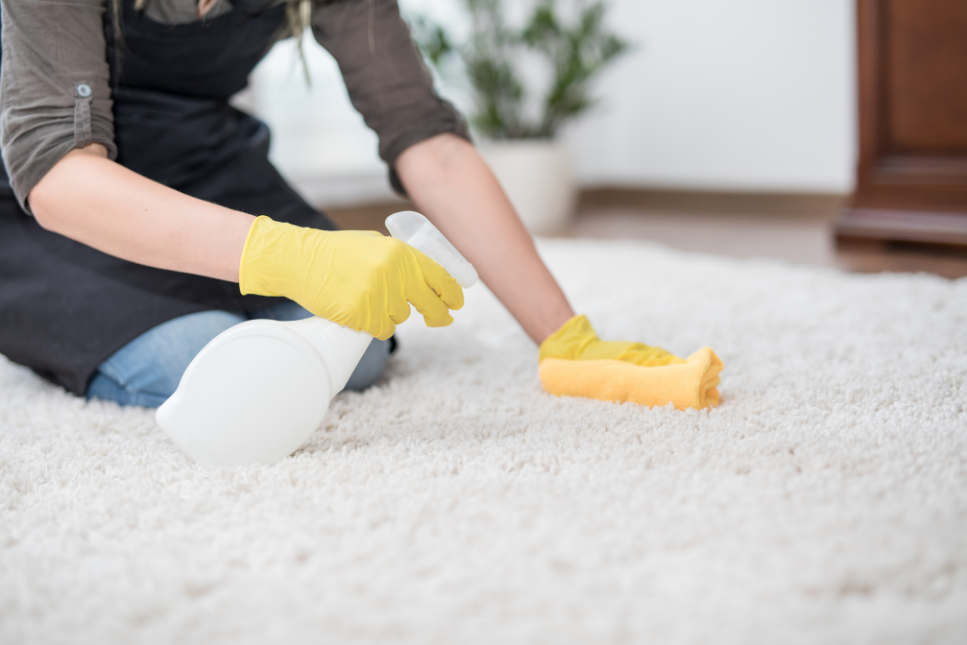
If you spot-clean between professional visits, use a small amount of a neutral cleaner, blot with a white towel, and avoid colored sponges. Resist scrubbing. On wool, pre-dampen the area with plain water first. On viscose, keep moisture to a minimum and call a pro if the spill is dark or oily. Most permanent damage comes from well-intended overwork.
What a transparent estimate looks like
When you call carpet cleaners Houston residents recommend for delicate work, the quote should read differently. Expect line items for fiber types, specific methods, and drying equipment. Urine subsurface extraction, dye stabilization, fringe cleaning on area rugs, and protector application usually appear separately. If a company lumps everything into a single per-room price without a site visit, they’re pricing a standard synthetic clean, not a delicate-fiber service.
Turnaround matters for area rugs that leave your home. A shop clean allows controlled drying and specialized equipment. For silk and viscose, a plant clean is often safer than in-home. Ask about chain of custody, dusting equipment, and blocking capabilities. A reputable shop shares photos, notes, and a clear timeline.
The value of restraint
Safe solutions for delicate fibers come from restraint, not heroics. Smaller amounts of the right chemistry, lower moisture, lower heat, and more airflow do the work. In a climate as unforgiving as Houston’s, that restraint is the difference between a refreshed wool pile and a felted one, between a bright viscose sheen and a swollen, matte patch. The best carpet cleaners in this city build their reputation on what they refuse to risk, as much as on the stains they remove.
If you’re evaluating a carpet cleaning company Houston wide for high-stakes textiles, look for discipline and transparency. Ask them to walk you through their plan, including test spots, pH targets, and drying. Make sure they can explain why their approach changes room to room. Delicate fibers reward that level of attention with years of service and the kind of quiet beauty that makes a home feel finished.
And when you find a provider who treats your wool, silk, and viscose like the investment they are, keep them. Good residential carpet cleaning Houston teams are partners, not just vendors. They remember your fibers, your floor plan, and the lessons your home taught them last time. In a city that throws heat, humidity, and muddy boots at everything, that continuity is its own kind of protection.
Green Rug Care, Rug Cleaning Houston
Address: 5710 Brittmoore Rd, Houston, TX 77041
Phone: (832) 856-9312
Green Rug Care
Green Rug Care is a leading area rug cleaning company with over 35 years of experience, offering professional rug cleaning, repair, and pet odor removal using eco-friendly, non-toxic products. Free pickup and delivery available.
Houston, TX 77041
US
Business Hours
- Monday: 8:00 AM – 8:00 PM
- Tuesday: 8:00 AM – 8:00 PM
- Wednesday: 8:00 AM – 8:00 PM
- Thursday: 8:00 AM – 8:00 PM
- Friday: 8:00 AM – 8:00 PM
- Saturday: 8:00 AM – 8:00 PM
- Sunday: 8:00 AM – 8:00 PM