Carpet Cleaning Houston: Best Practices for Stain Prevention

Houston carpets live a hard life. Between Gulf Coast humidity, sudden downpours, backyard barbecues, crawfish boils, pollen bursts, and the city’s particular blend of clay and soot, floor coverings collect everything. Stain prevention is not just about tidy habits, it is about understanding the local environment and adjusting maintenance to match. I have spent years in the field with carpet cleaners in Houston homes, from high-rise condos in Upper Kirby to family ranch-style houses in Cypress, and the same playbook emerges: identify your household’s stain risks, control moisture, build defensible routines, and choose materials that forgive mistakes.
This guide focuses on what works day to day, the little choices that prevent most stains before they happen and help you recover quickly when they do. Whether you rely on a carpet cleaning service in Houston twice a year or prefer DIY upkeep, the same principles apply.
Houston’s unique stain profile
If you live here, you know red clay. The iron-rich soil in many neighborhoods clings to treads and grinds into fibers, leaving rusty halos that don’t rinse out with water alone. Pollen arrives seasonally in visible sheets, especially oak, and mingles with outdoor dust to create fine particulate that dulls carpets and helps sticky spills anchor deep. Cooking habits matter too. Tomato-based sauces, turmeric-heavy dishes, and barbecue with sugary glaze all stain easily. Add in the Houston climate, which can push indoor humidity over 60 percent without active dehumidification, and you have a perfect environment for slow-motion staining. Moist fibers hold onto residues, support microbial activity, and make odors harder to purge.
Good stain prevention in Houston focuses first on controlling tracked soil and moisture, then on fast, correct response to spills.
Traffic mapping and realistic prevention
Professional carpet cleaners often start a visit by walking the layout, calling out three zones: high traffic, transitional, and quiet. High traffic includes entry paths from garage to kitchen, hallways between living areas, and pet routes to favorite windows. Transitional zones, like dining room thresholds or the space around a kitchen island stool, show occasional surges. Quiet zones like guest rooms or formal spaces sit mostly undisturbed. Stain prevention budgets should follow this map. You do not need museum-level rules everywhere, but you do want strong defenses in the high traffic lanes.
Put washable rugs or low-profile mats at every outside entry, not just the front door. In Houston, most dirt enters through the garage. A two-mat system works best. Start with a coarse, textured mat to knock off grit, then a softer mat that absorbs fine dust and moisture. Vacuum and launder the second mat frequently. In a test across several clients in West University, simply adding a second interior mat cut visible soil lines by about a third over three months, with no other changes.
Shoes-off policies help, but they fail unless you make them easy. Provide a bench, a shoe rack, and spare socks by the most-used door. If you have workers or guests coming through regularly, keep disposable shoe covers at eye level.
Fiber choice and stain defensibility
Not all carpet fibers are equal under Houston conditions. Nylon remains a workhorse. It resists abrasion, responds predictably to most professional treatments, and, when treated with stain-blockers, stands up well to food dyes. Triexta, sold under various brand names, binds dye molecules stubbornly and often shrugs off red beverages better than nylon. Polyester is budget-friendly and soft but tends to oil up in traffic lanes, which darkens over time and makes dry soil stick. Wool is gorgeous, naturally soil-resistant, and surprisingly durable, but it dislikes some spotters, high alkalinity, and vigorous agitation. A Houston household with toddlers, a Labrador, and weekend salsa nights should think hard before choosing light wool in the family room.
For residential carpet cleaning in Houston, I often recommend solution-dyed fibers in high use areas. The pigment is locked in, so bleach spots are less likely, and many common stains release with standard neutral or slightly acidic cleaners. If you already have a mixed-fiber situation, keep fiber-specific spot care notes in your cleaning kit. The wrong chemical can set a stain permanently.
Humidity control: the hidden factor
You can do everything else right and still lose the stain battle if indoor humidity stays high. Moisture does three things: it slows evaporation after spills, it helps sticky residues remain tacky, and it feeds microbes that create discoloration and odor. Aim to keep indoor relative humidity in the 40 to 50 percent range. Houston weather often pushes outdoor humidity above 80 percent, so you need mechanical help.
Use your HVAC smartly. Run the AC long enough to dehumidify, not just to hit a temperature setpoint. If you have a variable-speed system, lower fan speed to increase moisture removal. In older homes or rooms over slabs, consider a standalone dehumidifier set to 45 to 50 percent. I have seen dining room wine spills that would normally lift clean leave faint yellow rings when the room sat at 65 percent humidity for days. Control the moisture, and your stain prevention gets a quiet 10 to 20 percent boost.
Daily habits that add up
Vacuuming is stain prevention in slow motion. Dry soil, especially the fine grit common in Houston dust, abrades fiber tips and opens microfissures where dyes lodge. Vacuum high traffic lanes three to four times per week and quieter areas weekly. Use a vacuum with a quality HEPA filter and a height-adjustable brushroll. On dense carpet, too-aggressive brush action frays fibers and produces fuzzing that looks like shading or staining. On thin pile or loop, gentle agitation plus strong airflow works best.
Treat carpets like upholstery when it comes to eating. If family meals happen in the living room, put a tray under plates, choose cups with lids for kids, and keep a small towel on the coffee table for immediate blotting. Spills that sit for five minutes are dramatically harder to remove than those addressed in the first minute. I have timed this with grape juice on nylon test squares: a 60-second delay required a reducing agent and heat to remove completely, while a 10-second response came up with blotting, water, and a little neutral spotter.
Pets deserve a paragraph of their own. Proteins and acids in urine and vomit bind quickly and can damage dyes. Training and routine matter, but so does access. If your dog loves to sprint in from the yard and flop on the same carpet corner, lay down a washable runner during rainy weeks. For cats, prevent hairball messes on carpet by providing a textured mat beside favorite lounge points. Keep an enzymatic spotter on hand that is safe for your fiber type, and use it promptly.
The first five minutes after a spill
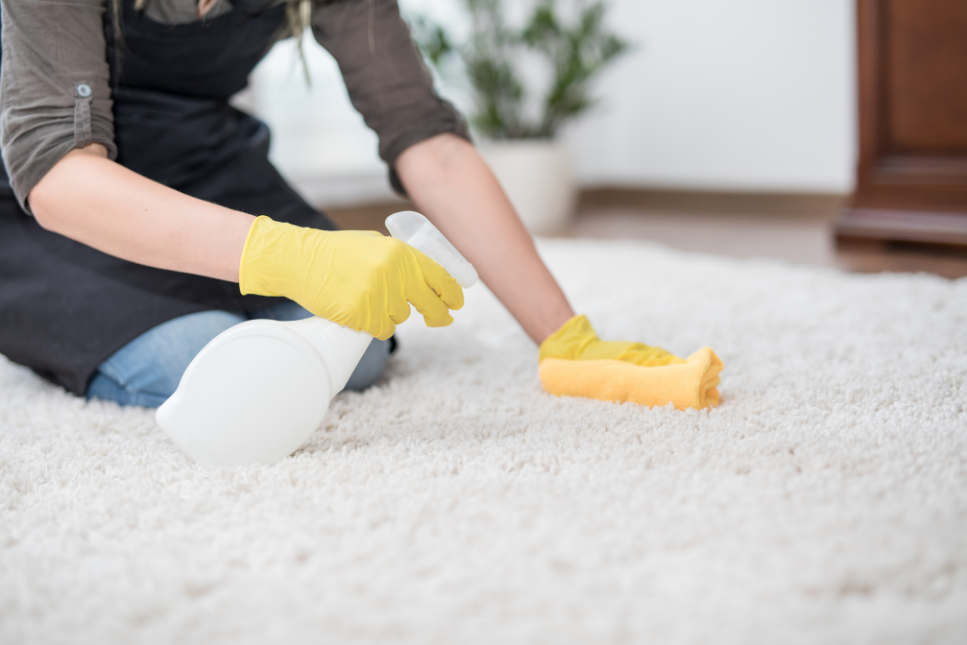
The first response to spills sets the outcome. Avoid panic and follow a sequence.
- Blot immediately with a clean, white towel, pressing from the edges toward the center. Do not rub. Rubbing makes the stain bigger and damages the pile.
- Apply a small amount of lukewarm water, then blot again. Most fresh spills dilute and lift with water alone.
- If color remains, use a neutral pH carpet spotter, dab lightly, wait 30 seconds, and blot. Repeat as needed, using fresh sections of the towel.
Stop if the towel starts picking up carpet dye, if the stain smears, or if you feel roughness developing in the fiber. Those are signals to switch tactics or call a professional. For sugar-heavy drinks that dry sticky, a mild alkaline spotter helps, but rinse thoroughly to avoid re-soiling. For oily spots, a small amount of solvent-based cleaner on the towel can release the bond, but test in an inconspicuous area first.
Red dye removal is its own art. Many red beverages use FD&C Red 40, which loves nylon and polyester. Heat-activated reducing agents can lift it, but misuse can lighten carpet dye too. If a red stain persists after basic steps, cover it with a damp white towel and keep the area wet until a pro arrives. Dry heat sets dyes; moisture buys you time.
Protective treatments that actually work
Good stain prevention leans on chemistry. Factory-applied stain blockers on nylon help by filling dye sites so colorants have fewer places to stick. After a few years and a handful of aggressive cleanings, those treatments degrade. Having a carpet cleaning company in Houston reapply a protector after hot water extraction can restore repellency. Choose a fluorochemical protector for oil resistance if your risks include greasy drops or cooking aerosols. If most of your stains are watery, a non-fluorinated protector can be enough and reduces environmental concerns.
Expect real but not magical results. Protectors give you extra time to blot and reduce permanent staining odds. They do not make carpets immune. A good rule: if you spill turmeric or red wine and don’t touch it until morning, even protected fibers can hold a faint tint.
Tools and products worth keeping at home
In Houston, where unpredictability is the rule, a small, well-curated spot kit pays off. Keep a stack of white cotton towels, a neutral pH spotter labeled safe for your fiber, an enzymatic cleaner for proteins, a volatile dry solvent for oil, and a spray bottle of distilled water. A basic carpet brush with soft bristles helps lift pile after blotting so the area dries evenly. Avoid colored towels, powdered spotters that leave residues, and multi-purpose cleaners with high alkalinity. Those are the products that generate calls to carpet cleaners Houston pros a week later with complaints about sticky patches that darken fast.
One more tool that punches above its weight is a compact carpet extractor, the kind designed for upholstery and auto detailing. On fresh spills, a quick water rinse and vacuum extraction keeps residues from wicking back. Use distilled water, light passes, and minimal moisture. Over-wetting is the most common homeowner mistake, home carpet cleaning Houston especially in humid months. If the pad gets soaked, you will be fighting odors and yellowing later.
Timing professional maintenance
The best carpet cleaners in Houston tend to encourage maintenance, not crisis response. High traffic homes benefit from professional cleaning every 6 to 12 months. Families with multiple pets, a lot of cooking, and open access to the outdoors skew toward the shorter interval. Singles who are away most of the week can stretch longer. Between cleanings, spotting as needed and regular vacuuming keep the load light. Professional hot water extraction, done with controlled heat and moisture, removes embedded soil and resets the pile.
Ask a carpet cleaning service in Houston about their process, chemistry, and drying times. Good companies tailor pre-conditioners to your fiber, rinse thoroughly to avoid residues, and use powerful vacuums and air movers to leave carpets touch-dry within a few hours. If a company promises perfectly dry carpets in minutes without explaining their method, keep asking questions. Encapsulation cleaning has its place in commercial maintenance, but residential piles with household oils and kitchen aerosols usually need periodic rinsing to avoid gradual dinginess.
A competent team will also inspect for recurring spots. Wicking is common when spills penetrate to the pad. The first cleaning makes the surface look great, then a faint brown ring returns as moisture moves up during drying. The fix often includes deeper flushes, weighted extraction, and in rare cases, pad replacement in a small area. This is where hiring a carpet cleaning company in Houston with experience shows. They have dealt with our clay soils and humidity enough times to anticipate wicking and counter it.
Local stains, local strategies
Every city has its quirks. Houston’s include:
Tomato and chili drips. Acidity and oil combine here. Start with blotting, then use a mild detergent solution to break the oil component, rinse with water, and finish with a slightly acidic spotter to counter the red dye. Do not use high heat on tomatoes, which can fix color.
Soot from candles and air pollution. Fine carbon particles smear easily. Dry vacuum first with a crevice tool to remove loose soot. Then use a dry sponge (chemical sponge) to lift residue before any wet cleaning. Once you add moisture, soot can streak.
Pollen waves. Vacuum with slow, overlapping passes, working in both directions. If you damp clean during high pollen days, run air purifiers to reduce airborne re-settling. Pollen grains have spikes that grab fibers, so agitation matters.
Red clay tracking. Clay binds to carpet surfaces and into microtexture. Use a clay-specific pre-conditioner if you have one, or a mild alkaline spotter, allow dwell time, then extract. Skipping dwell time is the mistake here. Clay needs a minute to release.
Pet accidents during thunderstorms. Many dogs react to Gulf Coast storms. Keep an enzymatic cleaner handy and a plan to confine pets to hard floors during severe weather if possible. For older stains, odor treatment may require sub-surface injection into the pad by a pro.
Stain risk zoning
Preventive zoning works. Assign different rules to different spaces. In high-risk rooms like the den near the back door, choose darker, multi-tonal patterns that hide soil, and keep protectors current. In a kids’ playroom, add washable area rugs over carpet to catch art mishaps, then wash the rugs monthly. In bedrooms, where oils from bare feet dominate, vacuum paths from bed to bathroom, and use low-residue cleaners when needed so you do not create sticky lanes.
Edge cases reveal the value of zoning. I once consulted for a family in Bellaire who loved serving hibiscus tea during gatherings. They had pale carpet and a dining area that opened to the living room by a wide arch. Their fix was simple. They laid a decorative, dense-weave runner under and around the drinks station and moved the table six inches, enough to change the traffic path. The stain rate fell, and their party style stayed intact.
Drying: the underrated step
After any wet cleaning, prioritize fast, thorough drying. Point fans across the carpet, not down. Airflow should travel parallel to the surface to lift moisture into the room air. Keep HVAC running for dehumidification. Open windows only if the outdoor humidity is low, which is rare here except on crisp winter fronts. On a typical sticky day, opening windows extends drying times. Most staining that reappears after cleaning is tied to slow drying and wicking.
If a spill reaches the pad and you use a small extractor, press a stack of towels with a weighted object for an hour after extraction to capture deep moisture. Replace with dry towels once. You will see damp outlines on the towels that mirror the spill footprint, a good sign you are removing moisture at depth.
When to call professionals quickly
Some situations improve with immediate professional help. Large quantities of colored liquids, like a dropped gallon of fruit punch. Spills that cross into stairs, where gravity moves liquid deeper. Biohazard spills. Or anything on wool that resists gentle treatment. Calling early can turn a permanent dye-set into a short visit with a reducing agent and controlled heat. Carpet cleaners Houston teams carry specialty products homeowners cannot buy, and they use them judiciously.
Also, if you try a spotter and the area starts to feel stiff, stop. Stiffness means residue or fiber damage in progress. A seasoned technician can neutralize and rinse without overwetting.
Working effectively with a carpet cleaning company in Houston
Good outcomes start with clear communication. Tell the technician what spilled, when it happened, and what you tried. Show them your highest-risk areas and discuss your household routine. If you run two preschoolers, a Labrador, and open the back door every hour, say so. A tailored plan might include pre-vacuuming with a counter-rotating brush machine to lift hair and dander, targeted pre-conditioning for traffic lanes, and a protector re-application only in those lanes to manage cost.
Ask about drying targets. Professional teams should set up air movers at least in rooms with heavy cleaning. If a company tells you drying will take 24 to 48 hours in Houston’s climate without offering airflow support, press for details. Long dry times raise stain recurrence risks.
Price is part of the conversation. Expect square-foot pricing with add-ons for stairs, protector application, or heavy spotting. Cheaper offers sometimes skip steps like thorough rinsing, which saves them time and leaves you with residues that attract soil. Value in this market often means a carpet cleaning service Houston homeowners trust to do fewer but better passes.
Maintenance calendar for Houston homes
A simple calendar keeps you ahead of stains. Weekly, vacuum high traffic lanes and check entry mats. Monthly, wash interior mats, brush and vacuum edges along baseboards where dust accumulates, and address any small spots before they oxidize. Seasonally, especially after spring pollen and late-summer storm cycles, schedule a professional assessment or cleaning if traffic lanes look dull. Annually, consider protector refresh on high-use areas and a deep clean for bedrooms to remove body oils that defy routine vacuuming.
Households change. New puppy, new baby, new commute route through a dusty garage, all alter your stain risk. Adjust the calendar. You are not chasing perfection, you are managing probability.
A note on sustainability and safety
Many homeowners want safer products without sacrificing performance. That balance is possible. Favor low-residue, neutral pH cleaners for routine spot removal. Use solvents sparingly and with ventilation. Choose protectors judiciously, focusing on the worst lanes rather than blanket application. Ask your carpet cleaners which products they use and why. Reputable teams explain their chemistry and carry Safety Data Sheets. In my experience, most modern professional products are designed to rinse clean and contribute little to indoor chemical load when used properly.
Sustainable habits make the biggest difference anyway: capture soil before it enters with mats, vacuum with HEPA filters that keep dust out of your air, and dry fast to prevent microbial growth.
The bottom line for Houston homes
Stain prevention is a system. Start at the door with mats and a workable shoe routine. Vacuum with intent, not just when the reliable carpet cleaning company Houston mood strikes. React to spills in that first critical minute with blotting and water before reaching for chemistry. Keep humidity in check so spills do not linger. Protect fibers in the lanes that need it, not the whole house by default. And build a relationship with a carpet cleaning company Houston residents speak well of, one that can rescue the hard jobs and keep you on track.
Real-world results rarely arrive from one big change. They come from a dozen small ones that suit your household. The home in Heights with two indoor-only cats needs different defenses than the Pearland family of five that lives in the backyard every weekend. Both can enjoy clean, resilient carpets if they match prevention to their lives.
A final anecdote: after the February freeze a few years back, a client in Memorial dealt with burst pipe damage and feared the living room carpet was a lost cause. We controlled humidity aggressively, extracted water fast, pulled back one edge to float air under the pad, and treated tannin stains from soaked furniture legs. The carpet survived, and so did their confidence. Big emergencies get attention, but everyday drips affordable carpet cleaning in Houston and tracks shape how your floors look year round. Handle the small stuff well, and the big stuff has less chance to leave a mark.
Green Rug Care, Rug Cleaning Houston
Address: 5710 Brittmoore Rd, Houston, TX 77041
Phone: (832) 856-9312
Green Rug Care
Green Rug Care is a leading area rug cleaning company with over 35 years of experience, offering professional rug cleaning, repair, and pet odor removal using eco-friendly, non-toxic products. Free pickup and delivery available.
Houston, TX 77041
US
Business Hours
- Monday: 8:00 AM – 8:00 PM
- Tuesday: 8:00 AM – 8:00 PM
- Wednesday: 8:00 AM – 8:00 PM
- Thursday: 8:00 AM – 8:00 PM
- Friday: 8:00 AM – 8:00 PM
- Saturday: 8:00 AM – 8:00 PM
- Sunday: 8:00 AM – 8:00 PM