
Carpet Cleaning Company Houston: Certified vs. Uncertified Pros
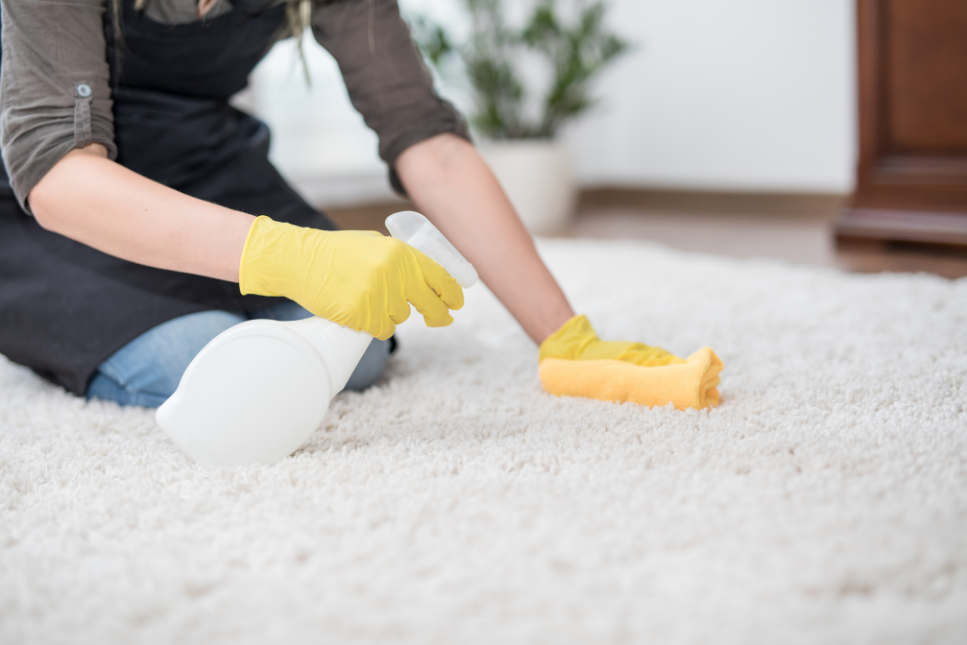

Houston lives hard on carpet. Gulf humidity, year-round pollen, Saharan dust on summer wind, and the occasional tropical downpour combine with daily traffic from pets, kids, and work boots. After twenty years in the cleaning trade, mostly in neighborhoods from the Energy Corridor to Eastwood, I can tell you the difference between a good carpet cleaning and a great one often comes down to training and judgment. That is where certification makes its case. It is not a magic badge, and it does not guarantee excellence, yet it changes the odds in your favor.
This is a practical look at what certified carpet cleaners bring to a job, when an uncertified pro is perfectly adequate, and how to pick a carpet cleaning company Houston homeowners can trust with their floors and indoor air. We will talk about chemistry, fiber science, real pricing, and a few horror stories that started with the word “deal.”
What certification actually means in this trade
In the United States, the most recognized credential is issued by the Institute of Inspection, Cleaning and Restoration Certification, or IICRC. A certified technician studies fiber identification, chemistry, cleaning methods, spot treatment, and safety. Courses require passing exams and ongoing education to maintain the badge. There are modules for carpet cleaning, pet odor control, water damage restoration, mold remediation, and more.
What this translates to on the job:
- A certified cleaner can identify whether you have nylon, polyester, or wool by look and burn test, and will select solutions that match the fiber and the soil. Wool hates high pH. Polyester laughs at some detergents but holds oil. Nylon shows traffic lane gray from abrasion rather than embedded soil. Correct diagnosis saves carpet.
Certification also formalizes process control. The best carpet cleaners Houston homeowners rave about do not rely on a single magic wand pass. They pre-vacuum, precondition, groom, extract with controlled heat and flow, and speed-dry. These are not secrets, just habits taught and retained under a standard.
On the business side, certifications often tie into insurance requirements. Some property managers and warranty programs will only accept 24/7 carpet cleaners Houston invoices from a certified carpet cleaning company. If your goal is to preserve a manufacturer’s warranty on a higher-end carpet, check the fine print. Many require cleaning by an IICRC-certified firm every 12 to 18 months, with receipts.
Where uncertified pros do just fine
I have met owners who never pursued certification and still outperform their certified peers, because they learned under a master, invested in top-tier equipment, and built a culture of quality. One Houston operator I know on the north side seemed to always book into summer. He never carried an IICRC patch, but his rotary extractor, truckmount, and understanding of drying saved more carpet than most classes ever could.
Uncertified pros tend to shine in straightforward residential carpet cleaning Houston jobs: synthetic carpet, light to moderate soil, no pet odor issues, no water damage, no wool or silk rugs. A hard-working crew with decent extraction and a neutral rinse can deliver a visibly clean result for a fair price. If budget is tight, a reputable, well-reviewed non-certified cleaner can be your best value.
They tend to struggle when the job requires chemistry pivots and risk management. Bleach spots, red dye stains from sports drinks, curry turmeric, cat urine salts that wick up during drying, or wool that browns if the rinse is wrong, those are the moments where training pays for itself.
The invisible costs of a cheap cleaning
Carpet is a fabric. Mistreat it, and the fabric remembers. The common pitfalls I see when homeowners hire solely on price:
Re-soiling from residue. Low-cost cleaners often use high-alkaline detergents and skip the rinse, or they run a portable with weak vacuum that leaves solution behind. That sticky film grabs dirt, so traffic lanes look dingy again in six weeks. The fix requires an acid rinse and sometimes a surfactant flush, which costs more than doing it right the first time.
Over-wetting. We call them “bathtub carpets.” Water poured in, then not removed. In Houston humidity, that is a recipe for musty odor and possible microbial growth under the backing. Over-wetting also causes latex delamination in older carpet, where the primary and secondary backings separate. A certified tech measures moisture, limits flow, and sets air movers.
Texture distortion. High heat, aggressive agitation, or the wrong brush on loop pile and Berber can fuzz the face yarns, creating a permanent frizz that light loves to highlight. A trained cleaner reads the construction and adjusts.
Bleach and color loss. Strong oxidizers used carelessly turn protein stains a ghostly pale that never blends. A pro uses reducing agents, heat transfer, and dye-block knowledge before reaching for oxidizers.
Odor not addressed at the source. Pet urine crystallizes in the backing. If you only clean the face yarns, the odor returns when humidity spikes. Correct treatment involves flushing to the pad when appropriate, using enzymatic or oxidizing deodorizers matched to the problem, and extracting thoroughly.
None of these problems are guaranteed with an uncertified provider. Yet the risk increases when training is an afterthought and the business model relies on speed over process.
Houston’s climate, dust, and why process matters here
Cleaning carpet in Phoenix is not the same as cleaning carpet in Houston. Our climate loads carpet differently.
Humidity. High ambient moisture slows drying. That means the margin for error shrinks. A cleaner who does not manage airflow can leave carpet damp overnight, especially on dense nylon with cushion. Speed-drying with air movers and HVAC is not optional.
Pollen and dust. Spring oak and ragweed seasons push fine particulates deep into the pile. So does dust blown from Western Africa that reaches the Gulf on summer winds. Fine soils act like sandpaper in traffic areas. A proper pre-vacuum with a commercial upright or a CRI Gold-rated machine removes a surprising amount of this before any liquid hits the fiber. Skipping that step grinds soil into the yarn during agitation.
Storm events. Tropical systems flood garages and ground-floor rooms. After a minor intrusion, some homeowners call a carpet cleaner rather than a water restoration company. A certified cleaner with water restoration training recognizes when pad removal, antimicrobial treatment, and dehumidification are necessary and will not simply clean and leave moisture trapped.
Houston homes also mix surfaces. It is common to see wool area rugs on tile, synthetic wall-to-wall in bedrooms, and a runner on stairs. Switching methods and chemistry correctly across those surfaces is both an art and a discipline.
Equipment tells a story, but only part of it
People often ask whether they should only hire a truckmount operator. The answer depends on access, the home, and the job. A well-maintained truckmount gives you consistent heat, pressure, and vacuum. That power matters for restorative cleaning and for speed. On multistory condos, downtown high-rises, or tight townhomes, a high-performance portable is the only option. I have restored carpet in a 20th-floor unit with a portable and a dry pass ratio of two to one, and the result matched any truckmount job because the process and patience were there.
What matters more than the machine is how the cleaner uses it. I look for:
- A dedicated pre-vacuum step with a real commercial vacuum.
- Measured pre-spray application and dwell time, not a quick splash and scrub.
- Agitation tools matched to the carpet type.
- A rinse that neutralizes the pre-spray and restores pH balance.
- Controlled extraction passes and follow-up dry passes until the wand stops pulling visible moisture.
If you hear, “We do not pre-vacuum because the machine sucks everything out,” that is a myth. Pre-vacuuming removes dry soil efficiently without wetting it, which lessens the load on the chemical step and reduces the mud that extraction must fight.
Stain and odor chemistry, in plain language
The chemistry behind carpet cleaning is not mystical, but it does require precision. A few examples that often separate certified carpet cleaners from generalists:
Red dye removal. Sports drinks and some food dyes are acid dyes, similar to those used to color nylon. They love the same sites on the fiber that the manufacturer’s dye does. A tech may apply a reducing agent and controlled heat, pulling the foreign dye without stripping the original color. Overheat that process or choose the wrong reducer, and you will see a pale halo forever.
Urine. Fresh urine is acidic, then becomes alkaline as it dries and forms salts. Those salts pull moisture from the air, so the smell returns on humid days. A proper treatment uses products that break down the uric salts after rewetting, followed by a thorough subsurface extraction. Topical sprays that advertise miracles are temporary.
Coffee and tannins. An oxidizer used lightly can lift these stains, but on wool, the safer path involves mild reducing agents and patience. Trained cleaners test in a corner and watch the clock.
Oil and polyester. Polyester resists water-based cleaning but loves oil. Traffic lanes in polyester often look dull from oily soils. A solvent booster and a quality surfactant are needed, followed by a hot rinse. Inexperienced cleaners apply more alkaline soap instead, leaving residue and worsening the long-term look.
When a carpet cleaning company Houston homeowners hire sends a technician who can discuss these risks with clarity, you know you are likely in good hands.
Pricing, bait offers, and how estimates should work
Real pricing depends on total square footage, number of rooms, stairs, level of soiling, spot treatment complexity, and whether you add protector. In Houston, for a standard single-family home, expect reputable companies to quote a range that reflects these variables rather than a rock-bottom teaser.
If an advertisement screams at you that any size home is one low price, ask how they make money. The answer is usually aggressive upselling onsite. Not all upselling is abusive. I have walked into homes where adding protector after cleaning made sense because the family had two toddlers and a Labrador. The difference is transparency. A good estimator gives you a clear base price, explains what is included, and offers optional services with honest pros and cons.
Be cautious with per-room pricing that hides size caps. A “room” might be capped at 150 or 200 square feet. A Houston master bedroom that runs large will count as two. That can be reasonable if disclosed up front.
Protector is another minefield. Quality fluorochemical protector has a cost, and applying it evenly, then raking it in, takes time. If the price offered is suspiciously cheap, ask for the product brand and the coverage rate per square foot. If the tech dodges, skip it.
Warranty and maintenance schedules that actually help
If your carpet is under manufacturer warranty, keep records of cleaning. Some brands explicitly require hot water extraction at set intervals. If you file a claim for texture or discoloration, they will ask for those receipts. Certified providers are more likely to give you the documentation and to use methods that keep you compliant.
Even without a warranty, a schedule helps. In most Houston households with active traffic, a deep clean every 9 to 12 months is a sweet spot. Homes with pets, especially cats that can miss the box or dogs with allergies that bring in extra pollen, benefit from 6 to 9 months. Light-use spaces, like a formal living room that hosts holidays and nothing else, can go 18 months if you vacuum weekly.
Between professional cleanings, vacuum high-traffic areas two to three times a week and the rest once a week. Use entry mats at exterior doors and a runner on known traffic lanes. Small habits extend fiber life.
When to say yes to protector, and when to save your money
Protector does not make carpet bulletproof, but it buys time. On nylon, it helps resist liquid penetration and keeps dry soils from sticking to the yarn. On polyester and olefin, the benefit is smaller because those fibers are inherently less absorbent, but the soil resistance still helps.
I recommend protector after cleaning in homes with young children, frequent entertaining, pets that are still learning, or kitchens that open directly onto carpet. In a guest room used twice a year, skip it. Protectors wear off on traffic lanes faster than on edges, so reapply where it matters. A smart tech will spot-apply on stairs and landings if you are budget conscious.
Evaluating carpet cleaners Houston residents can trust
You do not need to become a chemist to choose well. A few questions reveal a lot during a phone call or onsite estimate.
- What cleaning method do you use, and why for my carpet type? Look for a coherent answer that references your fiber and soil condition.
- Do you pre-vacuum and precondition before extraction? If not, ask why.
- What is your typical drying time, and how do you achieve it? Good answers mention HVAC, air movers, dry passes, and humidity awareness.
- Are you certified, and can you tell me about recent training? A certified tech should name the credential and a recent class or update. An excellent uncertified pro will still speak confidently about process and learning.
- How do you handle pet urine or specialty stains? Beware of magic-sounding promises. You want a measured response with options and limits.
Trust your sense of whether you are being hurried. Reputable carpet cleaning service Houston providers are busy, yet they take a few minutes to educate because educated clients become repeat clients.
Residential carpet cleaning Houston cases from the field
A Heights bungalow with wool runners on stairs. The owner hired a low-cost crew that treated the runner like polyester and used high-alkaline pre-spray with aggressive scrubbing. The next day, the edges browned and the pile distorted. We corrected the browning with an acid rinse and a controlled application of a reducing agent, then best carpet cleaners in Houston reset the pile with steam and grooming. The distortion remained in patches. Wool forgives a lot but not everything. Certification does not guarantee the right choice here, but the training reduces mistakes.
A Westchase townhome with polyester carpet and strong cooking odors. The initial cleaner used deodorizer that masked the smell for a week. On inspection, we found oily residue near the kitchen pass-through. The right approach used a solvent booster and controlled heat, followed by a rinse that removed the oils that held the odor. We added a light enzyme in the return air plenum after checking the HVAC filter, which was clogged. Odor declined by 90 percent within a day and disappeared after a second targeted visit. That is a chemistry and airflow problem, not a “spray more perfume” problem.
A Kingwood home after a minor water heater leak. The homeowner called a carpet cleaner to extract water. The company left fans in the room but never checked moisture in the pad or walls. Two weeks later, the baseboards showed swelling. A certified water restoration tech would have set dehumidifiers, measured, and either floated the carpet to dry the pad or removed it. The final bill for repairs exceeded what proper mitigation would have cost by a wide margin.
Pet odor: a separate conversation you should have early
When cats are involved, particularly older cats, carpet backing can hold layers of uric salts. I have walked into rooms that smelled fine on a dry day and turned sour when a Gulf thunderstorm pushed humidity to 90 percent. If you suspect repeat accidents in a room, tell the estimator. Honest companies will use a UV light to map contamination, then quote subsurface treatment with a flood tool. That process is slower and pricier than standard cleaning, but applying topical enzymes Houston carpet cleaners reviews and hoping for the best is a coin flip.
When damage reaches the pad and subfloor, replacement is sometimes the smart choice. A candid contractor will say so and will even pull up a corner to show you the staining. If a provider promises miracle odor removal without inspecting, be skeptical.
How a quality appointment should flow
On arrival, the tech should walk your home, ask about concerns, confirm the quote, and set realistic expectations. They will protect corners, move light furniture if included, and discuss anything heavy or delicate. Next comes the pre-vacuum and pre-spray, with dwell time. Agitation follows, then extraction with a rinse. Afterward, protector if purchased, then grooming and air movers on stubborn areas. You should be coached to set your thermostat to dry the air, leave ceiling fans on, and avoid traffic until dry. Most Houston homes dry within 6 to 10 hours, faster in winter when the air is less humid.
The invoice should note areas cleaned, spot treatments attempted, products used if you ask, and any issues observed. Some firms will leave care tips tailored to your carpet type. That kind of documentation is worth keeping.
Why certification tends to correlate with fewer callbacks
Callbacks cost time and fuel. Companies that invest in certification generally invest in fewer mistakes. They log chemistry used, train for edge Houston residential carpet cleaning offers cases, and push continuing education. When a stain returns because of wicking, they know to schedule a quick bonnet pass or an encapsulation follow-up rather than re-soak the area. When an odor persists, they seek the source, not the strongest fragrance.
There are excellent uncertified operators who do all of the above by instinct and experience. There are certified techs who lean on the badge and rush. Use certification as a tie-breaker when all else looks equal. Use your conversation with the estimator as the real test.
Choosing a carpet cleaning company Houston can rely on, in two minutes
If you need to decide quickly, use this short checklist.
- Ask about method, pre-vacuum, and drying. Listen for a process, not just promises.
- Ask about training or certification. Favor IICRC or demonstrable ongoing education.
- Confirm pricing transparency, including size caps and optional add-ons.
- Discuss problem areas candidly, especially pets and specialty fibers.
- Check recent local reviews for mentions of punctuality, drying times, and how the company handled issues.
Final take
Carpet cleaning looks simple until it is not. Houston adds weather, dust, and building quirks that reward method and patience. Certification does not make a mediocre cleaner great, but it lifts the floor for competence and narrows the band of uncertainty. If you have wool, pet odor, warranty concerns, or a history of stubborn stains, hire a certified provider. For routine maintenance in a synthetic-fiber home, a well-reviewed local outfit that explains its process can deliver excellent value.
Whether you call a certified specialist or a seasoned independent, judge them by their questions as much as by their quote. The carpet under your feet is fabric, filtration, and foundation. Treat it that way, and it will give you years of quieter rooms, cleaner air, and floors you do not think about when the next storm rolls through.
Green Rug Care, Rug Cleaning Houston
Address: 5710 Brittmoore Rd, Houston, TX 77041
Phone: (832) 856-9312
Green Rug Care
Green Rug Care is a leading area rug cleaning company with over 35 years of experience, offering professional rug cleaning, repair, and pet odor removal using eco-friendly, non-toxic products. Free pickup and delivery available.
Houston, TX 77041
US
Business Hours
- Monday: 8:00 AM – 8:00 PM
- Tuesday: 8:00 AM – 8:00 PM
- Wednesday: 8:00 AM – 8:00 PM
- Thursday: 8:00 AM – 8:00 PM
- Friday: 8:00 AM – 8:00 PM
- Saturday: 8:00 AM – 8:00 PM
- Sunday: 8:00 AM – 8:00 PM